Archive for the ‘reviews’ Category

It was suppose to be DC Comics answer to Marvel’s Avengers. But so far, the reviews of ‘Batman v Superman : Dawn Of Justice’ are more entertaining than the film. And if you have landed up from some other planet, you might have missed this video which is depressing and funny at the same time.

So what really happened? What does it mean for DC Comics’ next? Is there a way out? Have patience and read Anubhav Dasgupta‘s rant.

BatmanvSuperman

(SPOILER AHEAD. It’s fucking full of spoiler. Wait. You still haven’t seen it? Lucky you!)

On Thursday night, I sat down in a movie theater and watched Superman reach into Batman’s chest and rip out his heart. A child sitting in my row decided it was finally time to leave. I should have followed her out, but I stay put like the masochist that I am.

Batman v Superman is the nadir of DC comics. Not only is it a badly made film that made me question whether professionals  — some of them Oscar winners — were behind it, but it is an utterly reprehensible, indefensible piece of garbage that ruins the two most iconic characters in history to satiate the appetites of immature adults who constantly seek validation for their consumption of stories starring characters that were made for children.

Let’s call these immature adults “Batbros” because there’s only so many times I can type “immature adults” before I’m sick of the term.

Batman Begins was a great film that rejuvenated the Batman franchise, salvaging it from the campy wrecks of Joel Schumacher’s Batman and Robin. Christopher Nolan infused the character with a sense of pathos that made his trauma palpable every second of the film. He set it in a world very much like ours but also infused it with comic-book elements like fear toxins and a shadow cult of ninjas. Critics loved it, audiences dug it, fans were happy. It made enough money for Warner Bros to green light a sequel. Like Begins, its sequel The Dark Knight was a dance of reality and myth. Ostensibly a reaction to the American war on terror, Joker representing the chaotic boogeyman, something that Batman, standing in for Americans, simply could not understand. It was a massive, massive success and it still remains one of the greatest films ever made. But a collateral damage caused by it was the emergence of the Batbro. They identified with Batman’s seething libertarianism, his fascistic insistence on surveillance as an end to chaos and terror. They identified with an aspect of the character that was very much post-9/11 American White Male. What they thought they fell in love with was the darkness of the plot, considering it novel while being ignorant of the fact that comic books and comic book movies have touched upon dark themes before. I strongly believe that they do not recognise what makes The Dark Knight special and mis-attribute it to the grim mood of the story.

In the same year The Dark Knight came out, rival comic book publisher, Marvel’s movie arm put out Iron Man. Starring Robert Downey Jr as a genius pro-war one-percenter reformed into a superhero, it was talking about some of the same things as TDK but the approach was completely different. While TDK considered the war on terror a grim necessity, Iron Man criticised it while subtly commenting on the military-industrial complex and how corporations and militarism go hand in hand in a capitalist economy. The titular Iron Man, himself, is a much brighter character, who uses his wit and arrogance to mask his despair while Batman channels it into a life-force.

Spurred by the success of Iron Man, Marvel put out movies that existed in the same universe, done in the same style. Their continual successes culminated in Avengers, a movie that united Marvel’s heroes, which made ungodly amounts of money in the box office and millions more in merchandise sales.

DC floundered along, their one shot at a shared universe, Green Lantern, failing miserably. Batbros found solace in the Batman video games produced by Rocksteady, whose atmosphere vindicated their demand for immature darkness. The stages of the game looked grimy, the characters — save for Joker — wore constipated scowls and dressed in greasy coats. There was an unsubtle misogyny about how the game series treated its few women characters, animating their movements to make them look like they were continually cat-walking. What they got perfectly right were the mechanics of the game, the story, penned by DC Animated series alumni Paul Dini, and the voice-acting, which reunited DC Animated series alums Kevin Conroy, Mark Hamill and Tara Strong.

DC comics’ only mainstream successes were the Nolan Batman films and the Batman video games so, when it was time to reboot the DC universe and rake in Avengers money, they decided to push the tone of both these sources on to their movie universe.

It’s been a fucking disaster.

Man of Steel was positioned to revitalise the Superman franchise for a generation and a fanbase of Batbros that thinks altruism is bullshit. Zack Snyder’s film was a character assassination of the highest order, corrupting the socialist bent of the original Superman to make way for an ill-advised objectivist interpretation. The parallels to the story of Moses (Superman’s creators, Jerry Siegel and Joe Shuster were Jewish immigrants in ’30s America) were ignored to force Christian symbolism on the character. Snyder misconstrued the power fantasy of Superman to be a physical desire rather than an ideological one. This Superman isn’t great in heart or spirit, but in physical strength. He spends the movie moping around, so crushed by the weight of his responsibility that he does nothing about it. In the third act of Man of Steel, a noisy, grey muddle that makes Michael Bay’s Transformers look coherent, Superman allows wanton destruction as he faces off against a mighty alien being. At the end of it, he manages to catch the alien in a chokehold and snap his neck.

Batbros lapped it up. It was a mainstream vindication of the maturity of a comic book character. Surely, there could be nothing immature about dodging an oil tanker and letting it destroy a building when you have all the power in the world to stop it, or destroying a man’s livelihood because he was mean to you inside a bar.

Strong visuals and a fantastic score by Hans Zimmer elevated it from trashiness into mediocrity and it made some money and sanctimonious too-cool-for-school audiences finally found Superman to be cool after he had snapped some guy’s neck.

Never mind the children as long as the adults are entertained.

The same darkness followed through in the comic books. After the DC line was rebooted, Superman traded in his red trunks, spit curl and charm for armour and an unpleasant scowl. He was, finally, cool.

Batman v Superman doubled down on this interpretation, creating a Superman who possesses all the maturity and angst of a spurned teenager. The movie antagonises him, pities him, hates him and the one time he’s about to explain himself, it blows everything up. Literally. Here’s a Superman who seems like he hesitates to save anyone who isn’t his mother or his girlfriend. Here’s a Superman who forgets all his powers to allow a contrived plot to unfold. Batbros were further vindicated by a Batman who scared the shit out of criminals, who straight-up murdered people with military grade armaments mounted on his vehicles.

Zack Snyder has hid behind the defence that he’s followed the comics to a t. I doubt he’s read a comicbook. I strongly suspect that he flipped through a few pages, looked at the art, skipped dialogue balloons when his ADD took over and thought it was the greatest thing ever. BvS plays like a visual greatest hits of comicbooks. There’s images from The Dark Knight Returns, Crisis on Infinite Earths and The Death and Return of Superman replicated with great accuracy. But here’s the thing. Comic books don’t work solely on imagery alone. The titular fight between Batman and Superman is lifted from The Dark Knight Returns, but it lacks any of the intelligence, any of the motivation behind the fight. The philosophical battle between the ideologies of fascism and libertarianism have been replaced by Bollywood movie-level scheming. But Superman and Batman fight and the screen’s so dark we can barely make out anything so it’s mature, r…right?

Superman dies, just like he did in The Death and Return of Superman, but I felt nothing. The comic book isn’t the best but when Supes bites the bullet, we feel something. His sacrifice in the comic is earned. But in BvS? Fuck no. There’s many ways Superman didn’t have to die, and we’ve spent so much time annoyed by his moping and selfishness that it doesn’t affect us much at all.

But, hey, Superman dies. What a ballsy move, right? Fuck no. Everybody knows he’s going to come back to life. The moment has no point, no impact, no nothing. It’s cheap, superficial imagery and grim to a pornographic level.

But hey, Superman dies so this is suddenly an adult mature film, unlike the Marvel movies where everything’s sunny and you can actually make out what the fuck is happening. Batbros finally had an adult superhero franchise to rally behind. Finally, they felt, we don’t look like kids anymore. Never mind that Batman and Superman stop fighting because their mothers have the same name, killing people is exceptionally mature and adult amirite?

Never mind the kid who is bored by the pointless pontification, blinded by the few splotches of colour that emerge from a dark, drab palette, terrified by the characters they were supposed to love. Batbros will hi-five each other all the way to the fucking bank.

Kids, meanwhile, will be reluctant to buy action figures from the DC universe, page through DC comics while Marvel will capture their imagination completely.

Marvel figures are routinely cleaned up at Toy aisles while DC’s figures enter the bargain bin because nobody cares about their characters.

Except for Batman, barely any DC comics sell routinely as much as their Marvel counterparts, despite the quality.

All this thanks to DC bending over to cater to a tiny subset of fans who want to prove that their superheroes are fit for adult consumption.

Alan Moore, the writer of Watchmen, Batman : The Killing Joke, Swamp Thing and other comic book classics, infamously referred to comic book fans as subhuman. He cited the crowds of adults lining up to watch Avengers. He wasn’t wrong in his statement but he was woefully wrong in his observation.

The Marvel films, while routine, are ostensibly for children, but have enough pathos and intelligence to satisfy adult viewers. They’re stories for children that work for adults.

The DC films, however, drip in darkness. They’re for ignorant people who think that anything meant for children demands no seriousness or maturity. There’s no joy in any of their characters or any of their exploits. Their films are grim to the point of hilarity. DC films are a child’s view of what an adult film is, they are the kind of films that Vincent Adultman from Bojack Horseman would insist upon watching. DC film’s are selfish appropriations of children’s characters by childish adults.

When Alan Moore called comic book fans sub-humans, this is what he was going on about. Not adults who dress up as Thor in line to Avengers 2 but adults who celebrate the image of Superman ripping someone’s heart out while the kids cower, confused.

Thing is, Warner Bros seems to hate these characters. There is a marked cynicism behind the DC universe driven by a begrudging need to make money off IPs they disdain. They heap their own ugliness, their cynical hollywood fear and nihilism into characters that were built to give hope. Superman needed to be brought down from his pedestal of ideological superiority to our ugly levels of angst and paranoia. By reducing the symbolism and ripe mythological gravitas to petty wannabe philosophy, they have greatly diluted the power inherent in the characters. A page in Grant Morrison and Frank Quitley’s All-Star Superman has famously saved people from committing suicides. I simply don’t see films from the DC universe coming close to doing that. They’re content with being ugly extensions of an ugly world. They’re not the mirrors to our society as they hope to be, but the cesspools of our collective subconscious. Saving cats is passé, destroying whole cities is in. Fuck the kids, our audience are ugly man-children.

Batbros are celebrating the latest ravaging of the Superman icon but I feel they’ll turn round. The film has been universally panned by critics, its glaring errors in basic filmmaking revealing the true ugliness inherent in the plot. People are catching on to their shit. However, if it makes any money, it’ll be a vindication of the Batbros’ stance. Warner Bros will double down on the darkness, ruining and ravaging every bit of innocence inherent in the characters until there’s nothing.

If you’re a DC fan, and remember the joy the comics or Bruce Timm’s animated series gave you, and you like the current crop of DC films, I strongly urge you to think about it. Our characters are far more important than your selfish enjoyment and loyalism. We’ve got to save them. We’ve got to make sure Warner Bros get rid of their pointless nihilism. Otherwise we’ll be looking at a bunch of movies about joyless freaks that encourage no emotion, no thought, no joy except for infantile vindication.

Batbros are celebrating the latest exercise in cynical destruction, but they’ll be proven wrong, when, years from now, their children will ignore their Superman toys for a miniature Iron Man.

Batman v Superman is Darkseid’s anti-life, pushing us into cynical acceptance of our grim mentality. We have to resist. We have to be better. This is more important than two rival companies. This is a battle for hope and for the future. And fans are their own biggest enemies.

Anubhav Dasgupta

(Anubhav tries to make good stuff. Besides cinema, he also likes comic books and cats)

It addresses the construct of gender and trans identity while shining a light on the messy journey of self-discovery.

A few days before I gorged on the second season of the American TV series, Transparent, I happened to read a column that made a case for turning away from fictions of the self. The writer went on to say that you must write what you know but if you have a story to tell, tell it like you know it is not your story alone. It was a fitting coincidence. Jill Soloway manages just that with the semi-autobiographical, Transparent – to tell the story of a transsexual parent, in a way that is so universal, that not only transgender people but anyone in the midst of transitions, living their truths and rocking a few boats in the process, would relate to. The scrutiny that comes with the act of ‘coming out’ is true not only of the transgender community in India, but also of someone who is gay, divorced, in a live-in relationship and others, to varying degrees, who dare to disturb the status quo. Soloway explores the tapestry of oddities that make the institution of family, and distills the alchemy of weighty philosophies through the prism of gender.

Season 1 begins with Mort Pfefferman, the patriarch of a dysfunctional family and a 60-year-old retired college professor, publicly transitioning to Maura Pfefferman. The family comprises three adult children – Sarah, Ali and Josh and an ex-wife, Shelly. Coming out to the kids is not depicted as heroic, as much as honest, taking into account the emotional universe of the family rattled by the admission. Transparent acknowledges the collateral damage caused while being unabashedly honest to oneself but selfishness is still hailed, over living a lie. The children’s reactions range from denial to reluctance to a gradual acceptance – a very real portrayal of an unconventional family experience. The uphill task of getting to know a person anew begins with something as mundane as the question of what to address the parent as. Ali, the youngest of the Pfefferman siblings coins an endearing term for Maura, ‘Mopa’ – a blend of Momma and Papa.

Maura’s confession fuels the process of self-discovery in the family members grappling with identity crises of their own. While in Season 1, the characters wave the flag of liberation as they attempt to find their voices, in Season 2, they are at their lowest ebb in their quest for personal truths.  Soloway plunges headlong into the evolution of these characters, where their ugly obsessions and dysfunctional reflexes are front and centre. The series deftly dispels the assumption that brave moments of confrontation dovetail happiness. Flinging open the closet of skeletons and following our truth is only the first of many challenges. Transparent shows how being at home within oneself is an ongoing struggle, which also opens doors to a newer world with lesser and sometimes fleeting, but authentic bonhomie. With wisdom, comes a peculiar loneliness.

The series intelligently illumines that gender and sexuality are not synonymous and that both can be fluid with a range of queer female relationships. A fascinating observation about the distinction between personal anguish and male advantage is highlighted by an instance, where we find out that Maura as a man has a slightly misogynistic past. We also see Maura stumbling into her gender identity like a teenager discovering her body, straddling a sense of adventure and confusion. This is evident in a conversation in a clinic, where the doctor asks Maura, “Do you plan on getting breasts?”, and Maura quips, “Two please.” When the doctor further inquires if she’s planning on undergoing a gender reassignment surgery, she takes a lengthy pause before replying, “I’ll have to get back to you on that one.” Maura also vehemently declares that she loves vaginas, a communication seemingly at odds with being transgender. While Ali tries to academically understand the constructs of gender, heteronormavity and patriarchy, Josh still refuses to come to terms with the loss of a father – the loss Mort to Maura. Also, Sarah, the eldest of the Pfefferman kids finds a sense of redemption in her kinks during her lonely phase following a heterosexual marriage, a lesbian relationship and a breakup. The scene where Maura pleasures the ex-wife Shelly, illustrates with masterly tenderness, their fiendishly complicated relationship and the yearning of the elderly, spurred by loneliness.  Long habit and a firm sense of belonging in case of ex-spouses can lead to a self-defeating return to the old, familiar ways, irrespective of gender.

The character of Leslie Mackinaw inspired by the legendary lesbian poet Eileen Myles says, “I don’t really teach. I like to talk about things I care about to people, who are ready”. Steering clear of a didactic treatment, Soloway has adopted a similar approach in her storytelling, tackling characters with a rare balance of objectivity and compassion. She presents to us the wonderfully weird Pfefferman clan with a healthy irreverence and hilarity; therein lies the triumph of Transparent.

Dipti Kharude

(Dipti just quit her corporate job and is having fun dipping her toes in a ton of stuff like binge watching TV and web series, doing movie marathons, gallivanting, and writing about her escapades. She tweets @kuhukuro)

1

*LOTS of spoilers*

“Hello Jack, Thanks for saving our little girl.” says Joan Allen upon seeing her grandson Jacob Tremblay (who play Jack so astonishingly that you want to cleave through the screen and smother him with hugs and kisses) for the first time in a hospital. This line defines the heart of the film. How a 5 year old kid saves his mother’s life. That is what the film is about, not about their heroic escape from the clutches of a psychopath.

A kid that came into being 2 years after his mother became a sex slave, and had been held captive for two years. He talks to the inanimate objects in the room (Good morning ‘lamp’, Good morning ‘sink’, Good morning ‘chair’), talks to his imaginary dog, does stretches with his mother to keep his muscles agile, listens to the ‘Big Rock Candy Mountain’ that his mother sings for him, makes toys with egg shells, and celebrates his birthday with a cake without candles, and stares out of the skylight where aliens live. That is what he’s been doing for 5 years until one fine day his mother decides that its about time he escaped. The instructions are clear – “Wiggle out, jump, run, somebody.”

He is scared shitless coz he literally has not seen anything out of that room and he is 5 years old! His world was a small room with a bed, wardrobe (where he was supposed to hide when ‘Old Nick” visited Mom, the name aptly refers to the devil as I read somewhere), a bathtub, a chair-table and a TV with bad reception. He literally is not aware that there exists a world outside these four walls full of trees and dogs and people and oceans and endless earth, which is round, he later gets to know confounded by the fact that if it is, why we don’t fall off. So when Mom tries to tell him the truth, he screams. (a scene he had the most difficulty performing)

She was all of 17 when this happened, she tells him, when she was tricked to fall down down down this rabbit hole. She tells him of Grandma’s house with a backyard and a hammock. He understands her story, coz he is five (Jacob was actually 7 at the time of the shoot) now. He is a grown up boy capable of understanding complex things, is what she makes him believe so that he can escape. And the moment he does, your heart, along with Mom’s, skip a beat. You literally want to run and save that kid from this monster driving the truck. Jack’s eyes, the moment he comes out of the carpet, are going to haunt me for a long long time.

2

Ideally, this is where a conventional film would have ended. The kid escapes, saves his mother with the help of the police, and they live happily ever after, but that is where this film actually starts, and post their escape it is an intense emotional rollercoaster ride that leaves you gasping  for air by the time it ends.

“You’re gonna love it.” She tells him.

“What?” he asks.

“The World” she says.

But what she didn’t know that will she be able to love it?

“I am supposed to be happy.” says Joy (Brie Larson, I would not mind you taking that trophy home, at all.) to her mother at the beginning of a heated argument. She doesn’t know how to deal with her freedom. Everything has changed, from her own family to the world around her. People moved on, life went on. Living for 7 years in a contained space with a crushing hope that one day you might be able to look as far as your eyes can see instead of an impenetrable steel wall four feet away can leave you with severe PTSD. Plus she is worried about her child. She wants him to play with toys and connect with people, of which he is not capable of, not yet. Her mother and step father (Tom McCamus, a brief but wonderful cameo) are patient. They know he will come around, but Joy is impatient, and her interview with a news channels doesn’t really help things.

This film, in terms of narrative, explored an unchartered territory. We are used to seeing the victorious (or sometimes failed) escape of our heroes and that’s when the credits starts to roll. We are not used to seeing these people getting assimilated in the world again, and that’s where the magic lies. Showing us the struggle of Joy and Jake getting used to ‘space’ is where Emma Donoghue’s screenplay shines bright. For Jake, it’s easier coz he is still ‘plastic’ (read moldable) as per the doctor (“I am not plastic” he opposes in Ma’ ear) but Ma is not plastic, and she has to deal with not only her own loneliness but Jake’s as well.

The world is too much for Jake. He can’t handle this vast expanse of nothingness around him at such a tender age (“There’s so much of place in the world. There’s less time because the time has to be spread extra thin over all the places, like butter.”). He, at multiple times, asks if they can go back to the room coz he misses it sometimes. They do visit it one last time before saying their final goodbyes. “Say Bye to the room, Ma” tells Jake to Ma, and Brie Larson lets out an almost silent “Bye Room” under her breath. This time they don’t see the Room as the world they inhabited for 5 years but as a cell stripped off of everything that could have reminded them of their past. The flush, Jack’s ocean with boats and ships is gone, and so is the bed and mattress on which they used to sleep. The door is ajar, and the kitchen is ruined. This cathartic visit ends their ordeal coz Room literally doesn’t exist anymore.

The film leaves you emotionally drained with wet eyes and a runny nose but happy. Happy to have witnessed such an incredibly moving parable of an inexplicably strong bond between parent and child. This film rests at top with “Mad Max” and “Me and Earl and the Dying Girl” (another tear jerker) as my personal favorite from last year, and I don’t think any other film would be able to come close because I don’t think any other film will be able to have as much soul as these three.

Would like to leave you with this featurette that should tell you how amazing a chemistry these two share, even in real life

Go watch it for the kid, we don’t get to see such prodigies that often.

–  Avinash Verma

Q’s latest film Brahman Naman premiered at the recently concluded Sundance Festival. Here’s all the buzz that the film generated at the fest – The fridge, the fish, and the fan!

Brahman Naman

– For Twitch Interview of Q and the cast, click here.

– Guardian has given it a three-star rating. Review is here

– Variety review is here

– Hollywood Reporter review is here

– Review on Twitch Film is here. Calls it a “fantastic facre”

– Netflix scooped up worldwide SVOD rights. Details here

– Interview on Film Companion where Q reveals that the film is really about caste system.

– Pillow Talk with Q and Shashank Arora (they are literally on the bed)


Tamasha

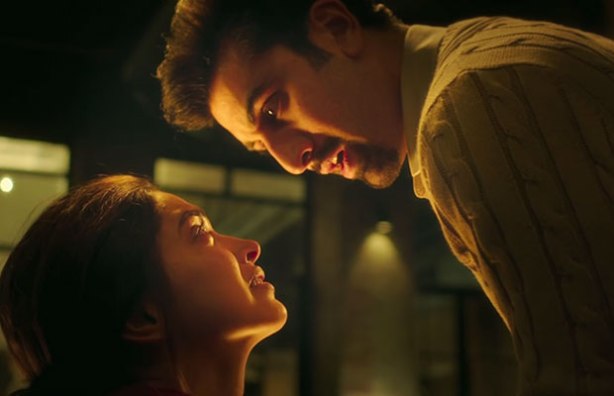
तमाशा देखकर निकला तो उलझन में डूबा रहा | इम्तियाज़ की फ़िल्में पसंद आती रहीं हैं,तो इस बार ऐसा क्या हुआ कि बाहर निकल कर उत्साह की जगह निराशा थी | जहाँ सब तमाशा की तारीफ़ में डूबे थे,किसको और कैसे बताऊँ कि फ़िल्म मुझे अच्छी नहीं लगी | यह जैसे ख़ुद में अपराध-बोध जैसा था | फिर सिलसिलेवार सोचना शुरू किया तो पाया कि फ़िल्म कई बातें सिर्फ़ ऊपर-ऊपर से करती है और निकल आती है |

या तो यह इम्तियाज़ की ज़िद है कि मैं कहानी दोहराऊँगा और उसे कुछ अलग रँग देकर पेश करूँगा और साबित करूँगा कि एक ही कहानी अलग-अलग तरह से दिखाने पर भी वह सफल फ़िल्म हो सकती है | इस की भूमिका वे फ़िल्म के शुरूआती बीस मिनट में बाँधते हैं | यह जैसे फ़िल्म शुरू होने से पहले उनका उद्घोष है कि दुनिया में सारी कहानियाँ एक ही तो हैं,तब फिर मुझपर यह इल्ज़ाम क्यों ? यहीं वे अपनी कहानी के लिए एक बचाव ढूँढते नज़र आते हैं | यही बात वे शुरू से अपनी हर फ़िल्म में कह रहे हैं | “इक्को एक कहाणी बस बदले ज़माना ” |

उनकी नायिका हमेशा की तरह एक बोल्ड और सामाजिक ताने-बाने के ऊपर की एक लड़की है जिसे बकौल इम्तियाज़ “हुस्न की गलियाँ ” दिखें या ना दिखें से कोई दिक्कत नहीं | वह दुनिया घूमती है,अपने फ़ैसले लेती है और इस विचार से कि दोबारा शायद नायक से मुलाक़ात ना हो,ऐसे में अपने दिल की सुनने से नहीं चूकती और देह की बनी-बनाई परम्पराओं को लाँघने के बाद आज़ाद महसूस करती है | फिर प्रेम उसको कमज़ोर बनाता है और अंत तक आते आते वह इस बात से संतुष्ट है कि वह एक सफल पुरुष की प्रेयसी या पत्नी है |

कहानी मूल रूप से नायक के भटकाव और एक लड़की के प्रेम से गुज़रते हुए खुद को पा लेने की है और यहीं फ़िल्म सबसे कमज़ोर है | हाँ यह सही है कि प्रेम हमारे अंतर्मन को छूता है और कई सारे बदलाव करता है | कोई हमें इस तरह पहचानने लगता है जिस तरह कभी किसी और ने नहीं पहचाना हो | प्रेम भीतर घुस कर हमें उधेड़ता है और हमारा असली रूप हमारे सामने ले आता है जिसे हम ख़ुद सालों से नकार रहे होते हैं | यह हम सहज स्वीकार नहीं कर पाते और ऐसे में वह इंसान जो यह सब कर रहा होता है,उसे भी हम उतना ही दोषी मानते हैं जितना ख़ुद को | जिस तरह हम अपने दुश्मन रहे होते हैं,उसी तरह वह इंसान हमारा इतना अपना हो जाता है कि अपना दुश्मन लगता है |

हम जो करना चाहते हैं,जब वो नहीं कर पा रहे होते,तो क्या हमारा बर्ताव वैसा होता है जैसा फ़िल्म के नायक का था ! उसके लिए फ़िल्म कोई विश्वसनीयता नहीं पैदा करती | वेद के अपने बॉस के साथ के सीन्स,यदि कोई फूहड़ फ़िल्म होती तो मैं हजम कर लेता,लेकिन यह इम्तियाज़ की फ़िल्म है और यहाँ वह अपनी पकड़ खोती है | वेद की छटपटाहट अपने सपने को ना जी पाने की है या तारा के प्यार के लिए है,यह भी साफ़ नहीं है |

वेद और तारा मिलते हैं और उसके बाद के तीन-चार साल तारा के कैसे बीते यह तो हमें पता है लेकिन वेद ? वह एक नौकरी में है और तारा से प्रेम में है या नहीं,यह कहाँ दिखता है | तारा के मना कर देने के बाद की जो चोट है,वह प्रेम में ठुकराए जाने की है या उस ज़िन्दगी को ना जी पाने की जिसकी झलक हमने कोर्सिका में देखी थी |

आप दिखाते हैं कि वेद ने आख़िरकार अपने मन की सुनी और फ़ैसला लिया और फिर सब ठीक हो गया | ऐसा कहाँ होता है जी | वह तो शुरुआत भर है | जीवन तो उसके बाद शुरू होता है | फ़िल्म ना तो वेद के बचपन पर ठहरती है जहाँ से उसके संघर्ष की जड़ें पकड़ में आती और ना ही अपने मन-मुताबिक ना जी पाने की स्थिति से उपजे रोज़ के संघर्ष पर |

“जब हम प्यार में होते हैं तो कितना हिस्सा असली होता है और कितना सिर्फ़ हमारे दिमाग़ में,हमारी कल्पनाओं में | जब सब ख़त्म हो जाता है तो सिर्फ़ कल्पना बचती है जो धीरे-धीरे दिमाग़ को खाती है और इस ज़्यादा सोचते रहने से ही उपजता है दुःख | प्रेम यदि एक यात्रा है तो दोनों की,एक की नहीं | हमारा नायक एक ऐसा आदमी है जो अपने बारे में सब जानता है और फिर खुद अपने हाथ से निकल जाता है |उसको पता है कि अब तक उसने खुद को संभाला है और अब उसकी लगने वाली है | वह जानता है कि वह अपने हाथों से फिसल कर सब कुछ तोड़ देने वाला है और इस बर्बादी के बाद जो सामने आएगा वह असली होगा जबकि वह जीवन भर इसी टूटन से बचता-भागता फिरता रहा | आख़िर में आप उम्मीद लगाते हैं कि अब कुछ होगा और वेद अपने परिवार वालों को एक कहानी सुनाता है और जो दिक्कत सालों से नहीं सुलट रही थी,वो यूँ हो जाता है मानो इतना ही आसान था | “

कुछ बातें जो कचोटती रहीं …

-वेद ने तो तारा के सहारे ख़ुद को खोज लिया, तारा को कौन खोजेगा ?

-जब तारा और वेद दोनों ख़ुद को खोजेंगे, तब वे अलग हो जाएँगे |

-स्त्रियाँ कब तक पुरुषों की मरम्मत के लिए उपलब्ध रहेंगी | क्या हमारी फ़िल्में उनको भी भटकाव में जीने की आज़ादी देंगी |

-क्या यह ऐसा नहीं था कि हाँ तुम अपने सपने जीयो,तुम्हारे लिए तो मैं हूँ | मेरा सपना तो तुम हो |

-क्या मन की सुनकर फ़ैसला भर ले लेना सफलता का पैमाना है | यहाँ तो कितने हैं जी जो मन की सुनकर ठोकरें खा रहे हैं और लगातार मेहनत कर रहे हैं |

-क्या ऐसी स्थिति जैसी वेद की है,वह यह हक देती है कि आप आसानी से बदतमीज़ी करें | या तो फ़िल्म इसे विश्वसनीय बनाती |

यह सारी बातें सिर्फ़ इसलिए क्योंकि फ़िल्म इम्तियाज़ की है | मुझे इरशाद कामिल के गीतों की फिर तारीफ़ करनी चाहिए और दीपिका के अभिनय की भी | अभिनय की कई परतों को रणबीर बस सतह से निभा ले गए |

तमाशा एक अच्छी फ़िल्म है,कालजयी या जादुई नहीं |

– Pradeep Awasthi

Kothanodi

There I lay my head on the pillow, snuggled into my blanket ready to surrender to the world of talking animals and strange beings my mother was about to conjure for me. It was delicious.

Then one day, I found my sister reading a 1000 page fat book with tiny font and pictures. Strange, I thought. In my world only children’s books (or textbooks and magazines) had pictures and never in tiny font. Tiny font was ‘meant for grown-ups’ territory, one to be stayed away from, so boring. But curiosity got the better of me and I went down the rabbit hole a-la Alice and landed in a wonderland of rolling peas, talking trees and 3/6/12-headed dragons. It was a much-to-be-thumbed Book of Ukranian Folk Tales.

None of it was incredulous; magic never is when you are a kid. Just curiouser and curiouser. It was a real world, with real people living in real houses and doing real things, but that world was full of strange phenomena. It brought magic right onto my doorstep. These weren’t Disney’s amusement park-like fairylands visiting me, but home-grown magic churned like butter from daily life with all its shades intact. Kothanodi – River of Fables is something like that.

It opens on the darkest tone possible. A man is burying a living infant in a mysterious forest full of strange, eerie sounds. Wails and whispers are all around, suggesting something sinister is on. And you are intrigued to know more. This seems like more than a fable, more than folklore, you say, when suddenly an elephant apple comes rolling along. It is following a woman, carefully, loyally. A loving father is taking leave of his young daughter as a suspicious-looking step-mother looks on. A python is stealthily being caught in the forest and next thing we know it is being welcomed into a household to be wedded to a human girl. The setting is tribal, somewhere deep in the interiors of Assam, along a river that carries the fables from the shore of one house to another, from one mother to another.

A narrative connect of four mothers weaves four different folktales into one solid film. The screenplay is based on events and characters described in popular Assamese folk tales compiled in the anthology ‘বুঢ়ী আইৰ সাধু’ or Grandma’s Tales, by Assamese literary luminary Lakshminath Bezbaroa, and first published in 1911 (source: link). Each story soaked in the ethos of its space and time, flows in and out of each other.

The mother-daughter thematic motif makes it tempting to dig deeper to look for hidden sub-text of social comment, only to find it is a formal element instead. This realisation dawns as the film draws towards its unique and dreadful conclusions and with it takes away the pressure of decoding it, replacing it with the pleasure of magic realism.

The joy of the film lies in its naturalistic setting and use of melodrama to suitably evoke earthy, home-grown environs of tribal India where witches and teachers, merchants and snake-grooms, mothers and talking dead bodies, live together. The emotional decibel of the film is tuned in balance, with a heightened measure of melodrama where required (in Tejimola and snake-groom stories), and controlled where necessary (the elephant apple story and buried babies stories.) The play then, of the baby burying scene (which plays out in all its eerie glory), cutting in between stories to unsettle the mood a bit, lest the fable become a dream removed from reality, becomes interesting. The joy of a fairy tale is in its mirth and that of a fable in its mystique, while folklore is rooted in common, realistic setting. The more rooted the setting the more absurd and mysterious does the magic seem. Yet, surprisingly more real. You can touch it, almost. And in River of Fables we don’t question the magic, we just let it happen, like we did when we saw it when we were young.

Perhaps, the biggest achievement of the film is bringing magic into the adult, mainstream language back by seizing it from children’s territory to a very adult world and adult problems and demystifying it by laying bare its darkest shades, without sugar-coating, something we don’t encounter often in children’s fables or popular folklore. And here the film does not differentiate or take sides with white or black magic, rather treats it like yin and yang. Exactly how it is. I hope this isn’t reduced to an over-simplified argument of fanning superstition.

The film would have been lesser if not for the gravitas that Adil Hussain, Urmila Mahanta and Seema Biswas lend to their characters and the story. They carry the inter-woven, longform narrative with assured grace and control that is a pleasure to watch.

Certain portions of the film, especially the eerie sequences, do have a tacky, under-done feel, partly in budget, partly in design and partly in imagination. Yet, it does not become a hindrance in enjoying an otherwise delectable fare much like that other gem in the same genre ‘Goynar Boksho’.

I lost my Ukranian folk tales book to a raddiwala because parents mistakenly thought I was too old to be interested in them anymore. River of Fables lessened the ache a little.

Fatema Kagalwala

junun

“जिसे जूनून ए मोहब्बत अता किया तूने”

मुझे कव्वाली से कुछ ख़ास लगाव रहा है। छुटपन में कुछ सुनी, अब याद नहीं कैसे कहाँ क्योंकि यादों पे बारिश की ओस जमी है। और बाद में तो ख़ैर शौक ही हो गया, इधर उधर सुन सुन के जैसे शौक बन जाते हैं। मैं आपको थोडा और अंदर ले चलता हूँ की क्यों मैं इससे इतना प्रभावित हुआ। दसवीं ख़त्म हुई थी, एक दोस्त का घर था जहाँ मैं अक्सर जाया करता था। “अबे ये सुन Stairway to heaven, इसे दुनिया का बेस्ट गाना माना जाता है”, इस तरह मेरा परिचय RocknRoll से हुआ। पिछले कुछ सालों से मेरा और कुछ दोस्तों का एक शौक रहा है, नए bands खोजना। और इसी का नतीजा है की एक दिन उसी दोस्त ने मुझे Radiohead के संगीत से मिलवाया। थोड़ी दिक्कत हुई इसे समझने में, पर कहीं न कहीं जुड़ गया मुझसे। Jonny Greenwood क्या चीज़ हैं यह मुझे PTA की ही THERE WILL BE BLOOD से पता चला। Shye Ben-Tzur के संगीत से मैं बिलकुल अंजान था, और जब मैंने उन्हें उर्दू में गाते सुना तो मेरे मन के सारे मेंढक मग्न हुए नाच उठे। मैं शायद आपको समझा न पाऊँ की क्यों मुझे कव्वाली पे नाचने के लिए जाम की ज़रुरत नहीं पड़ती, क्यों मुझे बिना नशा किये Pink Floyd सुनके अजीब ओ गरीब चीज़ें दिखाई देती हैं (और बेख़ुद कर देती हैं), क्यों मैं ISCKON के “प्रभुपाद प्रभुपाद” नाद पे झूम उठता हूँ, हालांकि न मैं उनके प्रभु को मानता हूँ न ही उन्हें। पर मैं यक़ीन से कह सकता हूँ की यह सब एक ही वजह से जुड़ी हुई हैं, मेरे विश्वास से की संगीत और सिनेमा खुद में पूरे हैं। उन्हें निरोध की ज़रुरत नहीं। आप संगीत को सिनेमा से मिला दीजिये और आपको एक पाक़ साफ़ फॉर्म मिलेगा। ‘JUNUN’ यही फॉर्म है।

मेरा मानना है की आर्ट को वैज्ञानिक की ज़रुरत होती है, पथ प्रदर्शन और नए प्रयोगों के लिए। मॉडर्न सिनेमा को जैसे मैंने जाना है, Paul Thomas Anderson मुझे इसके वैज्ञानिक मालूम हुए हैं। हर फ़िल्म एक दूसरे से जुदा, हर फ़िल्म तकनीकी तौर पे पिछली को पीछे छोड़ती हुई। शायद कोई फिक्स्ड स्टाइल न होना ही उनका स्टाइल हैं। तो मैं यह मानके तो गया ही था की JUNUN कुछ ख़ास होगी। Shye और Jonny Greenwood (Radiohead से एक अलग किस्म का प्यार है मेरा, उस band में सब individual genius भरे पड़े हैं) साथ में एक एल्बम बना रहे हैं, और PTA उसे फ़िल्म कर रहे हैं…अब इंसान बौराया नहीं ये सुनके तो दिल नहीं है उसके पास।

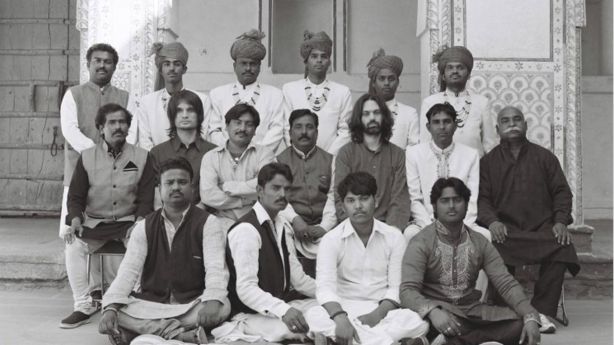
यहाँ हम जोधपुर के मेहरानगढ़ फोर्ट में इन कलाकारों को एक माँगणियार क़व्वाल समूह के साथ काम करते देखते हैं। मैं यह हलके में नहीं कहता, और मैं ये मानना चाहूँगा की मैंने काफी संगीत सुना है, पर मैंने ऐसा कुछ पहले कभी नहीं सुना। PTA के ड्रोन शॉट्स जोधपुर को एक नयी परिपक्वाता से देखते हैं। उनके हर फ्रेम में संगीत इस क़दर है की आप दोनों को जुदा करके नहीं देख पाएंगे। एक क़व्वाली, जिससे एल्बम का नाम मालूम हुआ है, ने थिएटर में बैठे सभी को उसी ताल पे ताली बजाने पे मजबूर कर दिया, उनमे से एक मैं भी था। सिनेमा और संगीत का संगम ऐसे बेकाबू कर देता है, मैंने अब जाना। 53 मिनट तक मेरे रौंगटे खड़े रहे, मैं इतना हल्का आदमी तो नहीं हूँ। बाहर निकल के नाचने का मन होने लगा। पर मैं नाच नही पाया, मैं कुछ हल्का आदमी हूँ। ख़ालिस तस्वीर जो होती है, उसमे आर्टिस्ट कहीं न कहीं खुद को बना देता है। यहाँ आपको एक अभिव्यक्ति दिखेगी जिसे आप PTA की पिछली हर फ़िल्म में देख सकते है, Shye aur Jonny के संगीत में देख सकते हैं, इन कव्वालों की ताल में देख सकते हैं। और यही जूनून है, यही मक़सद है, यही ख़ुदा है।

मैं बस इस बेमिसाल मेल को देख के, सुन के पागल सा हो गया, की मुझे अलफ़ाज़ नहीं मिले। अब आप कैसे बयाँ कर सकते हैं की कुछ चीज़ें आपके साथ क्या कर जाएँ ?

मैं तमाम उम्र शब्दों को चेहरा देते आया हूँ, हर शब्द मेरे ज़हन में एक तस्वीर उकेर देता है। अब मुझे कभी “जुनून” की तस्वीर नहीं बनानी पड़ेगी। मैंने उसे साक्षात देखा है। Shye, Jonny और मांगणियारों के संगीत में, PTA की नज़र से, JUNUN में।

कहाँ बुत गिरा, कहाँ चैन पाया
मैं कैसे सुकूँ को सहता हूँ,
बना फलसफा कुछ यूँ ही बड़बड़ाते
मुसलसल जुनूँ में रहता हूँ।

Bhaskarmani Tripathi

(Bhaskarmani Tripathi is a chronically depressed and दिलफेंक individual who wants to make his moments last. Has been called names more than he’s been called by his name, not that there’s anything wrong with it. Hates adjectives, loves Hindi and Urdu and Almost Famous. Believes Rock n Roll saved his life. Although never seen, this is one of his most favourite moments in cinema. Tweets at @bolnabey)

(You can watch the film at Mubi)

Ruchika Oberoi’s debut feature Island City premiered at Venice Days, an independent parallel sidebar section at the Venice Film Festival, which is promoted by the Italian Association of Filmmakers and authors. It also won the FEDORA prize for the Best Young Director. The film had its Indian premiere at the recently concluded Mumbai Film Festival.

Here’s ThePuccaCritic‘s post on the film.

Island-City_Still_3_web-950x360


“6 AM. Good Morning.” Says an alarm clock.

“5th floor. Humidity is 38%.” Informs an elevator.

“Due to wastage of water, we have removed water filters. Thank you, Systematic Statistics. Fun. Frolic. Festivity.” Announces an automated electronic voice.

These are the voices we hear, while we follow this gentleman called Suyash Chaturvedi, which informs us about his daily routine. He is a part of the crowd which enters those tall, shiny glass buildings everyday sharp at 10AM and leaves at 7PM, as if their biological clocks are synchronized with that of a computer. The building he enters is of Systematic Statistics, which swallows numbers and data to churn out graphs and pie-charts, where, like any other corporate office, there is little difference between a man and machine. Where a man’s freedom, personality, and individuality are sucked out of him, and in those tidy, dull-colored formal shirt-pants, everyone look the same – rusted and worn out, like a cog wheel. Which he is. In the scheme of this mechanical system, and, in this quest of earning a livelihood, he has lost his liveliness.

If you’ve ever been a part of any corporate job, you would have cursed the Branding/HR department at least a hundred times during your course there. Every office has this “Fun Committee” that has the pressure on them to make their employees feel happy just because one corporate legend said ‘fun is necessary for productivity’. “Why are you not having fun?” yells his boss. Chaturvedi is now made to have fun. Obviously, he is not asked what he would like to do. A set of instructions – like how we program a computer – has to be “obeyed” by him to complete his mandatory procedure of fun. This satire on corporate culture then naturally grows into a whole commentary on the middle-class urban idea of fun. Chaturvedi is taken on the Bollywood’s kidnapping machine — a van, to a surrealistic dark chamber that leads to humankind’s most dreadful construction of all time that now exists on every other road-corner :a shopping mall!

Island City, in its third short, Contact, which encompasses the time span of events occurred in both the earlier shorts, is about the people who is at the receiving end of the technology developed by companies for which people like Suyash works. The protagonist in Contact, Aarti Patel, in her daily job reads newspapers freshly printed off by machines. One day she starts receiving heartfelt, hand-written love letters. These letters make her hopeful of leaving her egoistic, disrespecting, and neglecting fiancé whom her family has chosen for her. But as one day doom strikes –(SPOILER ALERT) —we learn that these letters are no different than the newspapers she read…they have been written by some artificially intelligent machine. This is The-Lunchbox-meets-Her in a traditional space where technology is prospecting to invade. (SPOILER OVER) And as a consequence of the first story, Fun Committee, we see this (failed) technology pushes her back to the regressivity she wanted to escape. In this war of man v/s machine, both are losing out to each other. While we are trying to make machines that speak and feel like humans, we fail to realize that in the process machines are making us one of them.

These two shorts form an arc for man-as-machine and machine-as-man aspects of the narrative. In the second short, Ghost In The Machine, the patriarch father-husband of a Maharashtrian Joshi family is in coma, hospitalized, and is replaced by a TV at home. This replacement of man by a machine turns out not bad after all for the family. The kids, the mother, and the wife see the respective ‘spirit’ of the father, son, and the husband they wanted, in the lead hero of the daily soap, ‘Purushottam‘ (impeccably created) aired on this TV. Kids enjoy seeing him daily; the aged mother wishes well for him; the housewife (lovely Amruta Subhash) can now work as a school teacher which her real husband had denied. Satirical about our daily life and relationships, this is the most hopeful (and also the most “entertaining”) short in this portmanteau feature about the nature of men and the machines.

Technology’s primary aim has always been to advance humankind along with its culture. While the opening and the closing shorts (Fun Committee and Contact) critically looks at the despair it is causing to the human form of life, Ghost In The Machine’s hopefulness, with technology replacing the man of primitive thoughts by the virtual model of another mythological man, keeps the cycle and war of man versus machine going.

@ThePuccaCritic

(Anup Pandey is a corporate machine on weekdays but turns into a human on weekends at the movies. Writes film and Hindi music reviews at thepuccacritic.blogspot.com. Tweets at @ThePuccaCritic )

Continuing with our series on daily reccos and reviews of the films at Mumbai Film Festival, here’s the post on Day 4.

Our Day 1 Wrap is here, Day 2 is here and Day 3 is here.

Untitled

Hong Kong Trilogy by Christopher Doyle

“Fuck the studios.”

Christopher Doyle’s latest documentary ‘Hong Kong Trilogy’ (Preschooled, Preoccupied, Preposterous) brought him to MAMI and what a joy it was for those 40-odd people who showed up to hear him talk pre and post the screening. Wish MAMI had advertised the fact more that he’ll be at the screening ‘cos each word of his Howard Beale-sque monologue about the studio system was a sword through makhmal. The highly experimental documentary, more like a poetry (running in voice-over) being interpreted in visuals is a collaboration between Doyle and Producer Jenny Suen and is bizarre and heartwarming in equal measures. BUT, the real fun was listening to Doyle saab – who has spent some time in Hazaribagh as a kid and thanked India for introducing him to a complex society that ultimately pushed him towards exploring arts.

He walked into the screening carrying a cricket bat (no idea how he got one!) and in the middle of replying to a query, he’d stop and play a shot or talk about fielding positions. That Aussie spirit is still kicking there inside him somewhere probably.

Some /highlights from his monologue (quoting from memory).

“Our tragedy is that we are stuck between a youtube on one side and a Harry Potter No. 75 on the other.”

“If you don’t make the film you want to make, Harvey Weinstein will enter your home and fuck your sister.”

“Fuck the studios.”

“Martin Scorsese stole our film and never even credited us.” (He was talking about Infernal Affairs.)

“Studios just want to make Fast and fucking Furious Number 68 and they don’t care about what you think.”

“How is your sex-life?” (On being asked how much Wong Kar Wai has influenced your style and vice versa.)

For more of these, try attending his Masterclass on 3th November, 4 pm. By hook or by crook.

KRISHA by Trey Edwards Shults

Winner of Grand Jury as well as the Audience Prize at SXSW, KRISHA is a fiercely indie family drama that starts as a comedy and quickly spirals into a grand collision of past secrets and tragedies. The highlights here are a super-experimental cinematography, background score, constant play with aspect ratios, and a breakneck edit in certain set-pieces. Though there is no connection whatsoever in terms of theme, this reminded me strongly of WHIPLASH. Brilliant.

Varun Grover

The Endless River by Oliver Hermanus

What happens when unexpected crime complicates life? Estev and Tiny suddenly find themselves in no man’s land when crude murder rocks their lives out of shape. Unconnected yet connected they try to assimilate it all, sometimes together, sometimes alone. There are million emotional strands to explore in this story and its characters but the film chooses to stay with the tried and tested one, making it a predictable journey both for the dramatic graph within the scene and overall. But one thing stayed with me, its music.

Hongkong Trilogy by Christopher Doyle

Maverick master DOP Doyle’s ‘HongKong Trilogy’ turned out to be as trippy as him. The film glimpses into the lives of regular Hongkong citizens, their stories told by them, in their own voices and through their individual stories painting a picture of contemporary Hongkong and its socio-political reality. The docu-fiction form and a heart bleeding for a certain ‘return to innocence’, gives the film a subdued charm. Also, the irregularity of the regular people highlighted through an intuitive selection of real-life stories casts a humane thread into the mix. Watching him speak with his theatrics galore was far more charming though 🙂

Francofonia by  Alexander Sokurov

Documentary on Louvre? Jump, click, book. I wish it was as grand as I had imagined it to be but it was far more than that. The documentary explores the creation, maintenance and importance of Louvre, France’s beloved symbol of heritage, arts, nationality, history and much more in light of the Nazi invasion of WW II. It is a lovingly told documentary that is as whimsical as it is sentimental while being equally committed to historical facts and present political scenario. And it was this particular whimsy, imagination meeting history approach plus the tender meditativeness that gives this one its colour.

Kaul – A calling  by  Aadish Keluskar

I wanted to know if it would hold the second time round, it did. Severe projection issues at PVR Juhu notwithstanding, the narrative had me hooked despite the second viewing. It is a difficult film to watch and the projection issues just made matters worse. But I took back what I came to know, whether it works second time round or not, for me, it did.

Fatema Kagalwala

Day 4 at MAMI was as surreal as the other three, and continues to be a culture shock for me.  I didn’t see any of the films that I booked, randomly walked into three of them (with some pointers from Varun Grover) and it turned out to be a hell of a day.

MISSING PEOPLE by David Shapiro

Director David Shapiro’s documentary is one of the best films I saw at the fest.  I wouldn’t want to reveal anything about what it is any more than you would already know. I found the Q & A with David Shapiro, that followed the film, an extension of the film. I understood it better, could relate to it better. It forms an unlikely trilogy with Searching for Sugarman and Finding Vivian Maier, similar human stories that chillingly give you an insight into something more than you were prepared for. There’s a screening on 3rd with Q&A, do not miss!

HONGKONG TRILOGY by Christopher Doyle

A docu fiction film that captures the lives and stories of people in Hong Kong, while being visually evocative (because Chris Doyle).  It is the same space as Chris Marker’s Sans Soleil, and there is a lot of empathy that the makers feel for the characters in the film and the happenings in Hong Kong. Christopher Doyle (who takes a Mise-en-scène and cinematography credit). The Q&A that followed with Doyle saab is now L-E-G-E-N-D-A-R-Y .

KRISHA by Trey Edward Shults

The last film that I saw was  an American indie Krisha, which continued the parampara of  the other two films I watched at night on Day 1 and 2. The parampara of being incendiary, shocking, brilliant and captivating.  Trey Edwards Shults’ portrait of a woman on the verge of a nervous breakdown (or already having one) and her grappling with mental disorders (like obsessive compulsion) is hypnotic, funny and disarming  to say the least. Pardon my adjectives (and these incessant brackets, I am not a big fan either) but please go watch this film, if there’s a screening left. If you guys were in awe of the music and the camerawork and the editing of Birdman, this would give you orgasm. It won the top awards at South by Southwest film fest, which is a very reliable benchmark.

Trivia: The guy started his career with Terrance Malick’s Voyage of Time and Tree of life, is an actor in the film (spot him!), and has used largely his family as the actors in the film.

Bhaskar Tripathi

Forbidden Room by Guy Maddin &  Evan Johnson

The easiest way to define Guy Maddin’s latest film is ‘कथा सरित् सागर’ on acid. On the surface, the film is about 4 seamen stuck in a submarine which cannot rise to the surface as the bomb inside it will blow up, and they are left with only limited oxygen to survive. Enter a lumberjack. When asked where he came from, the lumberjack starts his story which has multiple stories nested within it, and each story is more bizarre than the other. There is a story of a man who lives in an apartment which is inside a elevator, a woman kidnapped by a bunch of wolf-brotherhood-cave men, a man whose dying gift to his son is his mustache, and (especially) another man who breaks the 4th wall, and teaches bathing etiquette to the audience. In a conversation scene, where as one person talks normally, the other person’s dialogues are written on the screen, like in the silent era, or in the more recent ‘The Artist’. The film has some of the most maxed out trippy visual effects, with images from various stories juxtaposing. Every time a new character is introduced, the actor’s name (it also stars Mathieu Amalric and Charlotte Rampling) appears as they do in a credit roll. This film is not for someone looking for semblance of a plot , which is why people started walking out within 15 minutes, and by half an hour mark the theatre was more than half empty. The few who stayed back pretty much felt like Alice going down the rabbit hole.

Aditya Mattoo

(Pic by Varun grover)

Mumbai Film Festival – our annual movie ritual is on. And like every year, we are going to cover the festival like nobody else does it. moiFightClub regulars and readers will bring you all the day’s reccos and reviews.

FILM STILL - ROOM

Impressions :

So all Bombay-based movie buffs’ saalana urs, karvachauth, maah-e-ramzaan, navratri all rolled into one started today. The process of collection of badges and booklet/bag was very smooth and BookMyShow folks are doing a great job. Also the bag this year looks very aesthetic and sturdy. “Sabziyaan laane ke kaam aa sakta hai” in the long run.

On the screening front, films were on time and ran smoothly except for the morning slots where two films got postponed due to technical issues. But I don’t think many complained as they were replaced by additional-screenings of Sorrentino’s YOUTH.

In a way, YOUTH turned out to be the ‘Murder’ of Day 1. As the legend goes, many small town cinema halls in North India keep a print or ‘Murder’ with them always and whenever a big-film flops on Monday, they put up ‘Murder’ and it gets them the audience.

I managed to catch 3 films today.

Heavenly Nomadic (Original title: SUTAK) by Mirlan Abdykalykov

This Kyrgistani film was my random replacement option for the postponed Lobster (which I caught later in the day), and it wasn’t a bad choice. A tribal nomadic family of a little girl living with her mother and grandparents in the stunning rolling-plains of Kyrgistan, where every one is dealing with the death of the girl’s father in his/her own way made for a (film festival jargon mein kahein toh) ‘meditative’, quaint little film. The myths of nomads, the modernity knocking their ancient hills down, the collision of civilisations so to say – all was weaved in quite effortlessly here.

Realistic performances, great sound design and cinematography, and a script of simple ambitions. Not mind-blowing but nothing to dislike here.

Mountains May Depart (Original title: Shan He Gu Ren) by Jia Zhangke

Jia Zhangke’s last film – A TOUCH OF SIN – was very powerful so the expectations were high from this one. It didn’t leave me disappointed but quite dissatisfied. Divided in 3 parts, spanning 26-years in the lives of its characters (last part is set in 2025!) originating from small-town China, it again looks at the country’s social-political dilemmas (chasing America/Capitalism while trying to retain its own legacy) through Zhangke’s allegorical episodes. The first part involving a love triangle especially looked like a bad Hindi film from the 90s (‘Saajan’ instantly came to mind). The film gets better as it goes on and the third episode is the best, both technically as well as in its ambition.

The film keeps switching POVs and that’s a victory of sorts for the director to keep it all tied together in spite of this device, but it also keeps the viewer unsettled throughout.

The Lobster by Yargos Lanthimos

Simply brilliant! A futuristic dystopian look at relationships but via allegorical devices so twisted that it looks like a Kubrick-directed episode of SNL’s ‘Lowered Expectations’ sketch. Revealing anything of the plot will be an unnecessary hindrance to your experience so go into this one blank and be ready for a bullet through your brain & testicles/ovaries. Deeply funny, insightful, and subversive – and at the same time, a perfectly crafted relationship drama. Last chunk gets a bit drawn out, but all genius has space for (as Fabindia calls them) hand-crafted defects.

And ah, it stars some really big names in relatively minor roles. Unmissable.

– Varun Grover

The Train Leaves At Four (Train Chaar Baje Ki Hai) by Antariksh Jain
(Disclaimer – walked in 3-4 min late)

This slow minimal documentary spends maximum time allowing the protagonists – the villagers going about their daily lives, and is a candid capture of the atmosphere and mundaness in a remote village in Madhya Pradesh. The director seems to have let the family members be and dubbed their voices/conversations later. Many frames & scenes are particularly noteworthy – the two villagers talking about their children escaping the ‘trap’ of farming by studying; the child trying to quench her thirst somewhat inefficiently from the hand-pump while the lazy students are seated in the background in the run down school; the one scene where one of the brothers teaches his toddler the skill that has been passed on from generations to generations in his family – how to ensnare a murga using twigs & stones; the desire to escape someplace better than this village in which nothing happens; the women folk their food gathering activities; and the pre-climax sequence involving the overburdened train at the station. In the absence of a narration this does prove to be a difficult watch but the subject matter is so depressing that one cannot help not being moved by it. As we call it at mFC, this is Need-Some-Patience genre.

Mountains May Depart (Shānhé gùrén) by Zhanke Jia

Directed by Zhanke Jia who made the eccentric but arresting Touch Of Sin earlier, this one is divided into three chapters. Do NOT BE DISAPPOINTED BY the 1st chapter which turns out to be a 70s/80s Hindi film love triangle, but if you stay long enough, the other two chapters have enough drama & life to make up for the 1st one. People move on, relationships change, Life doesn’t have great occurrences but usually indifferent and cold instances/events, Parents & Children who almost never seem to be reciprocating their feelings/thoughts to one another simultaneously, an unusual romantic track – may be in retrospect I’m being too lenient to this film. But do watch it.

The Lobster by Yorgos Lanthimos

Something tells me this is one of the most f***ed up films of MAMI 2015. What a delightfully black humored watch from the director of Dogtooth. More an ‘exploration’ than a destination film, this one boasts of excellent writing, cinematography, performances from everyone. Shuru kaahaan hoti hai, aur kahaan se kahaan jaati hai – is incredible. DO NOT MISS THIS at any cost.

– @nagrathnam

Jia Zhangke: A Guy From Fenyang by Walter Salles

Walter Salles’s essay on the very personal roots of Chinese auteur Jia Zhangke’s cinema – Jia has won worldwide acclaim for his films yet most of them remain banned in China.

This film explores how the insularity & deprivation of Jia’s early years came to influence the social-realism of his cinema. This is a sparse & simply told documentary with a lot of Jia in it & a lot of clips from his old films. Luckily Jia is a warm, charming & humane presence & his personality dictates the tone of the film as well. I was engrossed & fascinated despite not being too familiar with his work. Unexpected pleasure was the sight of Jia singing ‘Awaara hunn’!

@sumit roy

From Afar (Desde allá) by Lorenzo Vigas

Debutant director Lorenzo Vigas’ strikes unique right from the first minute of the film. While the narrative is kept relatively simple and minimal, the distinct use of shallow focus to establish the alienated spheres of the characters is what makes it intriguing. Have hardly seen lensing used so uniquely to build scenes through the cumulative elements of each shot. Not once(hope my memory serves me right) does the focus shift from one character to the other, much like the dormant fear of relationships each character shares. Must watch!

@suyashkamat

Land And Shade (La tierra y la sombra) by César Augusto Acevedo

With all the fest-bait adjectives of long shot, languid pace, leisurely treatment, devoid of colours, this one is of uncompromising vision and an assured debut. The director César Augusto Acevedo channels his inner ghosts to bring out a poignant story of a family dealing with loss – of land and relationship. No wonder it picked up the Camera d’Or at Cannes.

Room by Lenny Abrahamson

A heartwarming tale of a mother-son duo who have been held captive in a “Room”. As you keep wondering where will the film move next, it keeps surprising you, and achieves the closure in a beautiful manner, raising some difficult moral questions along the way. Adapted from Emma Donoghue’s novel, this film belongs to child actor Jacob Tremblay who is absolutely stunning in every scene. This one is a Must Watch.

– @notsosnob