Archive for the ‘cinema’ Category

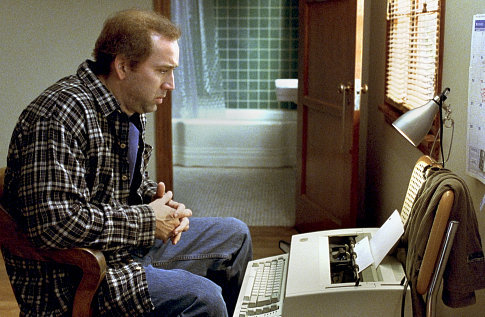
It started with this post. And then the arguments continued in the comments box. Then the coincidence happened – details about Charlie Kaufman’s latest film Frank Or Francis appeared and it seems it has little bit of all of us. Here’s Anurag Kashyap on what we are doing and what we should be doing instead…
Quoting “Gandhi” here seems the only relevant argument i can make now. This post is in response to all the acid i have been seeing flowing on the blogs and social networking sites from those very people who have it in them to change the state of things.

I know i have become the system and i am not the same anymore and the endless “what happened to me argument” .. but this is not about me, this is about all you people who are constantly frustrated with the system, and vitriolic and angry. If you are waiting for an Anna Hazare to come and save the cinema, well the system knows how to work even around an Anna Hazare. And Anna spoke of an issue that was closer to the masses, the change that all of you want in Cinema is not closer to masses, its closer to you, because masses have the cinema they want. Fight is not to end one kind of cinema, Fight is to co exist, Fight is to be allowed to make the cinema one believes in. Fight is for the survival of that cinema one believes in. A Francis can go on abusing and cribbing but he will affect only those who allow themselves to be affected by him, once they are affected by him, that Frank also becomes a vestigial organ to the system, which the system amputates.

I have fought too. Fought while working in the system. And do not expect me to carry on the fight. I fought for myself and made my space and now i am doing what i wanted to do. And helping those who can help themselves to do it. I have done my bit, A lot of us have done our bit and now its your turn.

This specifically to that one person i have always had lots of hopes from, someone who still lives a dual identity – @moifightclub. Its been years that you have been complaining (wishing) if i may say so for things to be the way you want. Well stop wishing, its been long. Step up to the challenge and take it on and write .

I don’t say this to people who are the critics and are film buffs and cinema lovers, who are often disappointed and criticise. They have every right to criticise and be vitriolic. Its up to us (criticised) to decide whose criticism we want to pay heed to. I write this for the ones who want to write and create cinema and complain about no one reading their script or understanding what they bring to the table. ref (i will read your fucking script).

No one, (read NO-ONE) is obligated to read your script, no one is obligated to understand your need to create, its your need and you have to fullfill it. You have to get in there and do it. A producer is a businessman and he is there to do business, he will make films which are star driven and will not care about the content till those films start to do the business for him. The day content starts bringing in the audience and, IF he starts to understand content, he will start to make your films. That IF is a very big IF. He is not you , like you are not him, because if you were him, you will not understand the content either and if you, you will make a bad businessman who is sure to shut down (Ramu). In order to have the freedom a director often becomes a producer, and the day he becomes a producer, a sort of slow creative decline begins, because he starts to understand the requirements of a producer. Be it a Yashraj, or a Ramu or a Mani Ratnam or a Ketan Mehta or even a small-timer like me. Which is why we become better producers than directors and yes, we struggle a hell of a lot to make our way in the system and try and keep our creative honesty intact. Its a lot of struggle. You have to be both a whore and a virgin, because here only a whore can create space for the virgin and not for all of them, its tougher trying to be both. So a whore (me) goes about choosing her virgins, Virgins who work hard at remaining one. Who toil and slog and sweat and go hungry, and often alone, and focused. I will not choose some one who does not have the courage to stick to it so will not the others.

Change will be brought by people who are at it and not AT THEM. Change will be a Q who goes out and does what he wants to and, yes, his GANDU might never be allowed by the system to come out and yes, i don’t completely feel comfortable with a GANDU in its entirety but then there is an uncompromising vision and that vision allows him to make his next film. and he goes on to make that rather than sit and complain about GANDU not releasing. Change will be a Vasan Bala who does not care about my approval of his script or even yours @fightclub. He puts his neck on line and not under a pseudonym. He will learn some and also teach us some. Change will be a Sandeep Mohan who went ahead and raised his money and convinced enough number of people to allow him to and participate in and finished his movie. Yes, he learnt some things and he also taught us something. He taught us that it is possible and you don’t need an Excel or UTV or me to read a script. He also learnt about things he shouldn’t have done and he is ready with two more scripts. Change will be a Shlok Sharma, who is not articulate enough to be on a blog or a social networking site, whose every answer to any questions asked in English at the festivals, where his shorts won awards for, was “Yes Yes No”. Change will be a Ghaywan, who goes and borrows money and does it despite of no faith put in him. Change will be @chillicrabmovie, who is going on raising money on the net to make what he believes in and not waiting for the “Existing” to understand him. Stop revelling in what other writers have to say about the state of the Studios and their creativity. At least those who say it have been through it and came out flying and deal with it on a daily basis and teach you how to deal with them. They are not vitriolic. Be grateful for what they say and don’t use what they say to justify your unemployment or your not yet being there. Ever since the world was here, wisdom has been gained by experience and its passed on. The ball has been passed to you and you are in the game, and you are not invited, no body wants you here, but your being here will bring change and your bring here will bring a new wisdom which will have to be passed on. When you (Fightclub & Manu Warrier) justify having the right to have read a script of an unreleased film like Game, then you also can not use the non release of your existing film that you have done to not write about how was the experience and how what you envisaged didn’t turn out to be and do not fucking use the excuse that we only wrote to the directors expectation. Because if you have that excuse then bloody well stop complaining. To bring change you need BALLS and you don’t need balls to fight them, you need most balls to be bloody honest about yourself first, to be able to look at your own selves and analyse and understand it before looking at others. And here you can not play that congress game,”but he is corrupt too”. When you guys can do that you can have that change. Be the Change you seek. If you want to be Frank, then do not hide behind Francis. If you don’t want to be Frank, then being a Francis is fine and great and i will listen to you.

Frankly i am slowly getting weary. I am weary of all those from the days of PFC who do not participate. I admire a Katrthik Krishnan who retains his anger and struggles to find balance between what he expects from others and what he needs to do. He understands when one fails and why one fails and has his remarks about it and then also tries to find objectivity vis a vis his bad experiences and try not to repeat them, all that along with trying to survive and be on his own. It is not a clear cut path made out for anyone. Some chose to step in. How you come out of it is another matter? But atleast you tried. I will always listen to and would want to look at the man who is in the arena than be one from the sides. It does not mean that people can not chose to be on the sides. You can, but then you don’t know anything about the fight. You just like the idea of winning and you know how to cheer and how to be disappointed. You have never known the pleasure of fighting. You might as well pick up the flowers and wear the tights and start dancing to the beats like they do at the IPL games, when a boundary has been scored and sit and yawn when nothing happens then cheer again when one is bowled out.

Cinema is dear to me, and if i can say so, more dear than it is to anyone. I am a bigger filmbuff than anyone and i go and watch a film to see “what someone has done” than going to see “whether they have done what i expected them to do or not”. I have earned a lot of money in life, enough to build me whatever one wishes to but i haven’t after being 19 years in this industry. Because all of it was spent watching and acquiring cinema. I never had access to internet and never understood it like you do and before i did discover it, i had developed a habit of watching it like the filmmaker intended his audience to watch it in, one of HIS chosen formats. You guys today have more access to it, and you can do what you seek from others to do. If others (Producers) understood you, or what you have to offer, your struggle would have been four times than it is now because there expectations would have been much higher than what you have from them now. Because then it would have been a different cinema atmosphere and you would be one of many thousands and you really would have to be “the Charlie Kaufman” or “the John August” for them to give you an audience. And if you think a Charlie Kaufman is there because someone up there understood what he had to say and why the fuck there is no body like that here than really go back home. Because he also found his way in and because even a Michel Gondry struggles more than you to have his film green lit, because an ANG LEE waited three years after BrokeBack Mountain to get a greenlight on “Life of Pi”. Because even a Slumdog Millionaire was going straight to DVD and a Hurt Locker was ignored by all. Each of these individuals and there story is about self belief and determination and focus and the overwhelming desire to do it. A desire thats far more stronger and forceful than the frustration you have. Having been around the world and being friends with some of the greatest directors of today, you will be shocked to know that a Danis Tanovich (No Man’s Land) is having a tough time getting his film funded, Fatih Akin came to india last year to find funding , and he had the balls to say no to big hollywood studio (that did not understand him and is actually the biggest alternate label in hollywood) that pretended to get him. You will be shocked to know that whatever little resources I have, i am in a better position than most of the filmmakers that i admire to keep making films, in a country like India that they sometimes seek me to raise money. I say this because, whether you believe me or not you are blessed to be in a country like India which is so film obsessed that you can actually go out and make your own film. Your struggle starts after having made it.

And here everyone wants to finance films and be part of it, most of the films from Europe and South America and UK and Africa and China (not HongKong) are institution funded films. They come with their own set of artistic restrictions. Barring India, Hollywood, Japan, HongKong, Italy, France most countries don’t have the crew quoting fees. They have fixed percentage based on the budget. You would be very happy , if your film just go made in those countries. Take advantage of being in this country. Something i have learnt the hard way. DO IT.

And for the last time stop quoting Charlie Kaufman to justify yourself or defend your argument, because Charlie Kaufman not just writes for himself but he also has the patience and perseverance to find the right director to collaborate with. He did not just write it and gave it to anyone who wanted to take it and then blame it on him. He is never in a hurry to get it made. Unlike most of you who will give your script to anyone or write to the director’s requirement. If you do then find someone else to quote and put forth your argument for not having tried enough. Film is a director’s medium yes, but writer is also the part of the creation, he creates before the director comes in and uses his material, his job is also to inspire the director enough to use his imagination, to live up to the writing or just go and do dialogues and be a hack like i was in all those 7 years writing to what was expected of me and then not bother about it and stay out of the process of shooting and really do something to bring a change where you can stop being a hack.

I write this because i do not want to fight any of you anymore, because i am not your enemy. And it worries me that it all might just amount to nothing. I want the change as much as you want but i feel disheartened seeing all you forming a coterie only complaining. Complaining is fine for sometime, but when the same set of people go on about it, forever and for beyond the time they should have then something else is wrong. You need to find courage to quit the security of your job and if you can’t, then you need to find a way to work along with having a job, and that can only happen with little bit of constructivism, and it can not happen with identifying your misery with what other bonafide people have to say from their experiences because they are not haing the same experiences in the same world that you are trying to be part of.

I think i have tried to explain and asked you to see what i really want to say and hope that it did mean something. Baki ..

Jo Bhi main Kehna Chaahoon, Barbaad karein alfaaz mere…

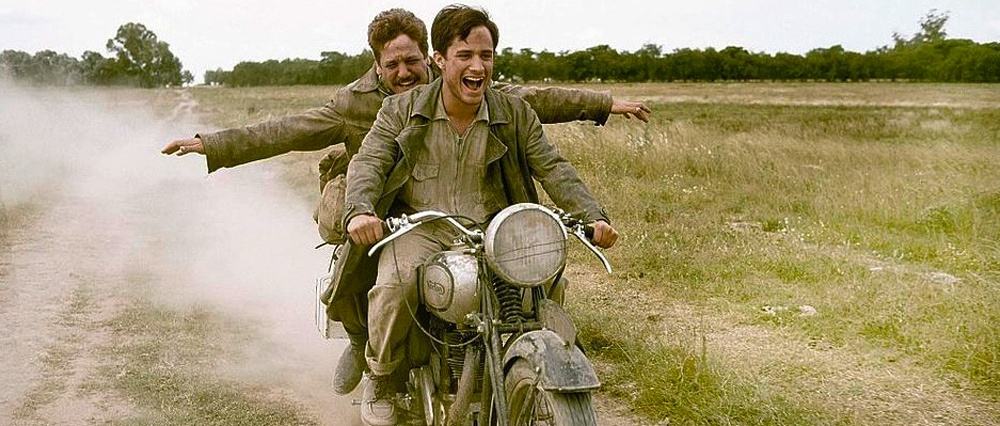
(PS – The Motorcycle Diaries pic is added by us. Not sure if AK endorses it. Apologies if he doesn’t)

If you want music on your twitter timeline, you must follow Rohit. And if you are lucky enough, your mailbox will be flooded with some evergreen goodies. So when it came to a post on the most awaited album of the year, who better than him to do the job.

With Couples Retreat and some bits here and there, i thought we have lost Rahman. And lost him for Retreat? That’s worst. But it seems he is back and how. As one of the song goes, i wanna sing O nadaan parindey ghar aa ja..for him. Hope we get more. Read On…

In the times of ‘gone with the click’ I cannot remember the last time when the curiosity of a music score being released was even half as it was for the soundtrack of ‘Rockstar’. Guilt is my witness as I shamelessly searched all the ‘shady’ sites to catch hold of this album because right from the first promo we could all smell ‘Rahman on the rocks’ soundtrack. Does it live up to the hype? (Yes T-series, we are talking about the artificial hype you created…Boo you for that by the way!)

1. Phir se udd chala – A folkish chorus of girls humming a tune which you associate with hill stations normally, welcomes you to this song with Mohit Chauhan taking over almost instantly. A song set up with a nomadic feel and the usually accused of being ‘Instrument heavy’ AR Rahman gives us a flavor of how can he blend the music in the background. The first 2 minutes successfully create the anticipation of the song taking off and Mohit chauhan doesnt disappoint throughout. A very positive song.

2. Jo bhi main – Guitar…Yes ‘THAT’guitar starts off with Mohit chauhan throwing his voice melodiously. If you hear attentively you will find the chorus (which is brilliant throughout the album) is set in a very theatrical and live concert style. It doesn’t give you the feeling that a few back up vocals were called in the studio to ‘sing’ (like the ones in the soundtrack of Rock On). The music setting is mostly soft and almost all the ‘hysterics’ are done by a wonderful mix of the ‘crowd’ and Mohit chauhan. Meaning wise, a very deep song especially the part where lyricist has revealed that all of us are just mirrors….I just cannot get the beautiful and very theatrical crowd effect of the song. Two thumbs up!

 3. Kateya karoon – The punjabi folk sounds welcome you to a bubbly song mixed with good bass to begin with and then the characteristic (and almost continuous ‘hoye hoye’ chorus). Harshdeep Kaur has sung this song in a very ‘Jaspinder Narula’ style by occassionally making her voice heavy. A generally happy song. Personally speaking, It did not touch me at all because I felt that the song just couldn’t take off. The song iis just under 4 minutes so it just comes and goes.

4. Kun Faya Kun – AR Rahman starts and is accompanied by a very ‘dargah like’ harmonium and Javed ali joins. The surreal atmosphere of this composition is very infectious and you would definitely end up listening to it more than once. The ‘beautiful romance between ‘claps’ and a slow guitar is ‘oh so very Rahman’. Javed Ali in between calls out to the power that be. Mohit Chauhan joins the party and gives the song his soul. The part where Mohit is reciting words with a very faint harmonium is what makes this song very very special. The near jugalbandi feel towards the end of the song is surreal and hasn’t been heard for a long time. A very pure song. If you feel it reminds you of ‘Khwaja mere khwaja’ then the purpose of the song is accomplished because when you call out to ‘Maula’, it doesn’t matter if someone else has remembered ‘Maula’ before you. Again, the way the song ends is very very theatrical with AR Rahman leaving a haunting echo.

5. Sheher mein – Karthik and Mohit – Not a melodious earth shattering song but a funny song largely thanks to the overall sound of it. The ‘composer’ is very vocal about how should Mohit Chauhan sing this song to ensure that the song is made ‘caller tune’ and is a ‘hit in UP and Bihar’. Mohit by the way croons it well. This will be a treat to see in the film. Clearly the composer (in the film) wants Mohit chauhan to stick to the ‘hit formula’ and not ‘innovate’…but does Mohit listen? Melodiously NO!

6. Hawa Hawa – Acoordion, voilin and a catchy chorus start this retro feel song with somewhat Arabian undertone. A good song because of the way Mohit chauhan has sung it. Hear it attentively and you can almost feel Mohit chauhan dancing in the studio while singing this. The musical setting you might argue is very ‘Zubeida’ like but then hear it and you will hear words like ‘waat’ and ‘bhajiya’! Towards the end you do feel that may be the composer is trying a little too hard. Might grow when the film hits the theatres. (Mohit ‘Meows’ in this song by the way) : )

7. Aur Ho – Mohit and Alma ferovic – A sinking feeling. Thats what the beginning tells you and Mohit chauhan confirms it with very powerful lyrics. The song has a ‘satrangi rey’ (Dil Se) feeling. The instruments are usually repeating short notes to create an eerie feeling. Mohit chauhan at times fades and then comes back almost dreamy/drugged with Alma in the background crying out. A song perfect for theatre performances depicting pain. The song really ends on a high. beautifully.

8. Nadaan Parindey – AR Rahman and Mohit chauhan – Carol like start with electric guitar. The song starts with Rahman requesting one to come back. The song has a very pop feel to it (Ok Ok I will use ‘pop’ and ‘rock’ interchangeably). The words like ‘Har karam ke kapdey mailey hain’ means that the song is advocating peace. Mohit chauhan almost cries out the fact that you will come back home no matter which road you take. The ‘chun chun khaiyoo maas’ (lines from Kabir I guess) are a misfit in the song so I did not like them at all. You might.

9. Tum Ko -Kavita subramaniam – From the start of this song, I got a feeling that this song is an old Rahman song. I hate to mention this but this came across as the weakest song of the album. Although the use of sarangi and tabla is very ghazal like, the song didn’t touch me at all. May be it was because of the fact that the other songs didn’t have me believe that there could be a ghazal like composition woven in between.

10. Sadda Haq – Yes…HELLL YES! Orianthi starts the guitar and tells you quite clearly that this would be the song that will result in the demise of a lot of woofers and speakers all over the world. Kicking ass from the beginning Mohit recites some lines which are very ‘rebellion’ in nature and then the song reaches the HIGH when Mohit along with the chorus cries out ‘Sadddaaaa Haq’. Trust me, when someone sings from heart, it reaches your heart and this so called SCREAM does exactly that. Cannot recall a song in the near future which shakes you up (in a good way) as this one. I could write an entire post on this song but I will stop. Do check this song out even if you feel it is a rip off from here there or somewhere (because I know such tribe exists who cannot accept a good thing from INDIAN composer you see).

Special mention – Would have been too easy for Imtiaz ali and AR Rahman to have opted for Ranbir’s voice at the beginning of the song but thankfully they have used Mohit chauhan. Keeps the wholesome feel alive to the song.

11. Tum ho – Mohit and Suzanne – Romantica! Aha! Suzanne shines in the background (like always) and Mohit chauhan does a vocal waltz around that feeling of someone’s presence and how he has lost himself and gained love. The song lasts for about 5 mins or so but ends leaving you wanting for more. Strange isn’t it? The tune is more or less similar to ‘Tum Ko’ mentioned above. I am yet to make an opinion about the song. Any help on this would be much appreciated 🙂

12. Tango for Taj – Here is a tango piece which is very old piece and signature Rahman. A typical song which if treated well will be a visual treat. The constant piano and the claps are just too good too be in a piece which just lasts for about 3 minutes. Two thumbs up.

13. The Dichotomy of Fame – Shehnai! oh how i have missed you after ‘Swades’ song. After opening this piece beautifully the shehnai mixes well with the rest of the instruments, yet enjoys a ‘lead vocal’ status. Just too good a piece to miss.

14. The Meeting Place – Ranbir Kapoor says one sentence and vanishes…leaving you with much curiosity about the film. No, I won’t write it here. Go discover yourself. In a way, this piece might give away the ending of this film. Or may be not. Spoiler? Let’s see.

This album is undoubtedly a coming of age experience for Mohit Chauhan because he has shouted and romanced at many different levels. A special mention for the master lyricist Irshad Kamil. It’s almost taken for granted that a rock album will have a ‘woofer-phaadu’ music but the character of the songs come out when the lyrics are powerful and it is certainly the case here.

AR Rahman and Imtiaz Ali have gone to the press stating that they have invested a lot of time in this album and when you hear it, you feel they might be right!

Rating – 4/5

So which track are you playing in loop?

(PS – For the complete credit list of the songs, click here.)

(PS1 – For more posts by Rohwit, you can check his blog almostareview.wordpress.com )

Most of us haven’t. If you don’t have any respect for Oscar, and surely there are many valid reasons for that, then you don’t need to worry about the film Adaminte Makan Abu. It also won four National Awards and it made us curious because Oscar or not, a good film is a good film. So we asked our good ol’ Mallu friend Prasanth Vijay to write a review post for us. Read on…

Abur Sansar

As it happens once in a while in Indian cinema, Davids come out of nowhere and walk over the Goliaths. The latest in line being Adaminte Makan Abu (Abu, Son of Adam) which has become the country’s official entry for Oscar this year. Majority in Kerala, except a few of us who had been following the reports of its making, had a similar shock when the National awards were announced a couple of months ago and Abu won four major awards. It was a natural extension to see the film winning another four at the state awards a few days later (though many argue that this wouldn’t have happened without the National awards win). On hindsight, none of this is too hard to understand because parallel cinema in India is always forced to remain under a veil until a saviour comes along and salvages it (though sadly for many, this never happens).

Adaminte Makan Abu is about an old Muslim couple whose greatest dream in life is to attend Hajj pilgrimage. Over many years, they scrimp and save small sums for this out of their modest living. Things begin to fall in place, and they start preparing for the pilgrimage when calamity strikes in an unforeseen way and they are almost back to square one. Around the protagonists is the rustic panorama of a Kerala village (now a highly endangered entity) and its inhabitants who touch on their lives constantly. The towering achievement of the creators of the movie is turning this seemingly clichéd and possibly melodramatic synopsis into a well-crafted film which culminates in a much higher level of composure and optimism. And for the record, it’s certainly NOT poverty porn. It is about hope, and about a virtuous Abu who moves us to tears by the goodness of his character, rather than by his trials and tribulations.

Abu, a street medicine and perfume vendor is a staunch believer in his religion. And religion serves its true purpose here, making Abu a great human being who is at one with all of nature, not just the humans in it. He accepts that the purity of the means he takes up is as or even more important than the end. He doesn’t have to mull over even a little to resist temptations, however harmless they seem. There is a Malayalam verse which defines ‘courageous’ as the one whose mind doesn’t flicker the slightest even when there are strong reasons. Amidst heroes whose morals stoop when pressed by circumstances, Abu’s frail figure looms above them as the bravest of recent times, though too insignificant to matter to anyone else. True, it is a nearly fanatic faith in his religion that backs him, but with his clarity he touches the essence of it which is nothing but love and goodness, even if it’s unrequited.

Salim Ahamed, the writer- director of the film was as unknown as the film till the National awards. The creative mastery and the maturity of craft of the debutant are commendable. The artistic honesty he has brought into each frame is what has saved the film from falling into the possible traps of cliché and melodrama. It’s well detailed- from elaborately showing the preparations of Hajj pilgrims (which prompted naysayers to call it an extended travel agency ad) to the passing scenes of the wife smelling a lemon to fend off nausea during bus rides. Salim also deserves credit for extracting what he wanted from a seasoned crew- from ace Madhu Ambat wielding a digital camera for the first time to magical musician Issac Thomas Kottukapally creating music out of silences and Pattanam Rasheed for whom adding a few decades to a person’s face is never a big deal. The cast also has prominent artists even in minor roles so that they stay etched in our minds. Zarina Wahab becomes Ayeshumma as effortlessly as she dons her prayer robe.

It’s unjust to a film or any work of art to say that one element of it rises above the rest. But Salim Kumar, playing Abu stands out here because of his inseparability from the film. An accomplishment which is likely to be widely overlooked by viewers outside the home state is the unparalleled makeover he has undergone to become the character. Salim who has received popularity among masses and occasional brickbats from critics for his slapstick roles (which were by no means easy feats!), has proved the versatile actor in him whenever given a chance- in Achanurangatha Veedu (2006) and Bridge (segment in the anthology film Kerala Cafe). He lives as Abu the way no other actor in the world could have.

Adaminte Makan Abu is undoubtedly a lucky film – right from its conception to its reception. It might not be “the best” of its times, but it surely deserves most of the accolades it has already been honoured with. It may be considered as the prize for the honesty and sincerity that went into its making. In an industry that churns out either insignificant trash or over-hyped pseudo classics, this noble film marks itself by its restraint and lucidity. It’s another instance of many right things happening together towards a greater goal. Where mediocrity is celebrated and excellence is even denied birth, it’s not enough that we have visionary and resourceful film-makers. They should also have the blessing of fortune shining on them to materialise their dreams. May their tribe increase!

I Will Read Your Fucking Script!

Posted: September 24, 2011 by moifightclub in cinema, writing
Tags: , , , ,

Charlie Kaufman: There are no rules, Donald. And anyone who says there are is just, you know…

Donald Kaufman: Not rules, principles. McKee writes that a rule says you *must* do it this way. A principle says, this *works* and has through all remembered time.

The header is a homage to this brilliant post by screenwriter Josh Olson. If you haven’t read it yet, click here and do read.

So i was lucky to get the script of Mausam(don’t ask how), read it and wrote this post. (Should i have or shouldn’t, well, that’s a topic for another discussion. You can join the debate on John August’s blog) And what i wrote about Mausam, it seems the film turned out to be the same. I would have been happy to be proved wrong but then, i guess, i can at least read scripts. And this wasn’t the first time. I also managed to read the terrible scripts of Luck and Game much before the films released. Had put an open bet on Luck, and it turned out to be exactly the same. Did the same with Game but we had to remove the post on Game because the makers threatened us with legal notice and God knows what all! But heard that thing about shakti ka santoolan? Read Maqbool. Nothing could save the film. There you go! The point is I am not trying to boast about my great skills at reading scripts and predicting how shitty they are. Trust me, anyone with some serious interest in screenwriting can do so. The point is the complete disregard for the script and screenwriting. As if it just doesn’t matter. As if weekend is all we have, make something with stars and songs, package it well, sell it, and you are done. Shit can work at the box office and it will continue to do so but that’s no excuse to start making a film with just unadulterated shit.

Charlie Kaufman: I’ve written myself into my screenplay.

Donald Kaufman: That’s kind of weird, huh?

As i struggle with my script in this Bollylalaland, i have been trying to find out how scripts get selected and funded by producers and directors. And in this quest, i chanced upon these three film scripts. It left me wondering if anyone really reads the scripts here, and if so, who are these people? I haven’t been able to find the answer yet. If you have the answer, do let me know.

The easy route is to design “projects”. If you have access (say friends, relatives) to the stars (Salman, Shah Rukh, Akshay, Imran, Ranbir), make them agree to your “story idea”, and then quickly write a film and you get the funds easily. Strangely that’s the way most stars prefer to work here. That’s why you would rarely see a star coming out of his comfortable cocoon of friends/coterie and acting in a newcomer’s film. May be Aamir is the only exception. And it has worked wonders for him. SRK is the smartest guy in B-town but i don’t know why his choices are so bad. May be because he prefers to work only with friends.

Now, if this is the only way, then why do we shout out from roof top that we don’t have good scripts or screenwriters. Sometimes people like Akshat Varma get lucky after some nine years. Read here.

So coming back to Luck, Game and Mausam – who read those scripts? And if someone did, can they really, really read it? So how they got made? Let’s try.

Charlie Kaufman: You sound like your in a cult.

Donald Kaufman: No, it’s just good writing technique. Oh, I made you a copy of Mckee’s ten commandments, I posted it over both our work stations.

[Charlie tears the page from over his work area]

Donald Kaufman: [in threatening tone] You shouldn’t have done that.

[smiles]

Donald Kaufman: ‘Cause it’s extremely helpful.

Luck – directed by Soham Shah. Produced by Ashtavinayak and Studio18. Stars Imran Khan. That makes it a family affair. Easy to get funded.

Game – It seems one of the Excel guys were super impressed with the script written by air hostess-turned-screenwriter Althea Delmas Kaushan. Bingo! Farhan read it? Abhinay Deo read it too? Of course we all can go wrong in our judgement but to separate the shit from the rest, that doesn’t need much talent. I’m lost here.

Mausam – Pankaj Kapoor had a script. Pankaj Kapoor has a son called Shahid Kapoor. Pankaj Kapoor wants to direct a film. That’s simple.

Even with all the possible permutations and combinations it’s hard to believe that the producers are willing to spend Rs 30-50 crore on these scripts just on the basis of stars or “projects”. Let’s dissect Game.

Stars – Abhishek Bachchan, Kangana Ranaut, Shahana Goswami.

Director – Abhinay Deo. Debut film. But a well known name in advertising.

Banner – Excel Entertainment & Eros Entertainment. The producer and the financier. Excel : Well established banner known for making sleek and smart films catering to urban audience. Supposedly the coolest guys in B-town.

Budget – Rs 40 crore.

BO Collection – Rs 4.8 crore (1st week). Verdict – Disaster.

Not sure what kind of proposals Excel made to woo Eros with that script of Game. We got stars, we got hit music directors Shankar, Ehsaan and Loy. Let’s roll it baby? Or was there some black magic involved? Enlighten me please! If the starting point for making the “project” was the same script that we read, am not sure why would anyone like to go ahead with it.

[to Charlie]

Robert McKee: I’ll tell you a secret. The last act makes a film. Wow them in the end, and you got a hit. You can have flaws, problems, but wow them in the end, and you’ve got a hit. Find an ending, but don’t cheat, and don’t you dare bring in a deus ex machina. Your characters must change, and the change must come from them. Do that, and you’ll be fine.

The other argument (and possibly the strongest) that has emerged this year is we don’t need anything. Fck scripts, we have Salman Khan. Agree. But not everyone is Salman. And not every film can be saved by Salman either. Remember Veer, London Dreams, Main Aur Mrs Khanna, Yuvraj? The flop list is long too. Salman has to be that cinematic comfort food as Anupama Chopra points out in this esaay. Try anything else with him and you are not sure what will happen. And you are also not sure how long will people still enjoy that comfort food. That’s the reason why everyone is desperately looking down South to find the next movie in which Bhai can “act” and they can make money. It’s the Rajnikant-isation of Bhai.

And that’s a lazy ass logic. As Mark Kermode points out in this essay, blockbuster doesn’t have to be dumb. Why be Michael Bay when you could be Nolan? Or in desi context, why be Bazmee when you can be Hirani? Even in hindi mainstream films there are filmmakers like Mani Ratnam, RajKumar Hirani, Sriram Raghavan, Imtiaz Ali, Dibakar Bannerjee, Shimit Amin, Vishal Bhardwaj, Anurag Basu who always try to find that perfect balance. The result might not be satisfactory always, but you can’t blame them for not trying. We have turned the genre of “mainstream masala” as an excuse for making bad films. Slumdog Millionaire is bollywood mainstream masala and so is Main Hoona Na. And i enjoyed both (except that Indo-Pak bit in MHN). Masala done well is also cinema. We are not being purists when we dismiss the bad ones, the masala or the arty-farty. But let’s stop giggling every time someone farts onscreen and calls it “mainstream masala” that entertains.

Donald Kaufman: Hey, Charles. I pitched my script to mom.

Charlie Kaufman: Don’t say pitch.

I have realised that the biggest problem here is to make people read. 120 pages? Nobody has the patience. Narrate it to us. It’s a unique place where people don’t read but make films. Herzog surely would have committed suicide. And i used to think that this culture of narration is only for the stars. Because they are the “stars”. They don’t have the time and you can’t make films without them, so you don’t have a choice but to narrate. But now i have realised that even the producers and directors wants a narration. Nobody wants to read. Some big directors even glorify the way they narrate their films with all band-bajaa-baraat. I think that culture of “not reading” scripts led to the culture of “no readers” at any production house.

[first lines]

Charlie Kaufman: [voiceover] Do I have an original thought in my head? My bald head. Maybe if I were happier, my hair wouldn’t be falling out. Life is short. I need to make the most of it. Today is the first day of the rest of my life. I’m a walking cliché. I really need to go to the doctor and have my leg checked. There’s something wrong. A bump. The dentist called again. I’m way overdue. If I stop putting things off, I would be happier. All I do is sit on my fat ass. If my ass wasn’t fat I would be happier. I wouldn’t have to wear these shirts with the tails out all the time. Like that’s fooling anyone. Fat ass. I should start jogging again. Five miles a day. Really do it this time. Maybe rock climbing. I need to turn my life around. What do I need to do? I need to fall in love. I need to have a girlfriend. I need to read more, improve myself. What if I learned Russian or something? Or took up an instrument? I could speak Chinese. I’d be the screenwriter who speaks Chinese and plays the oboe. That would be cool. I should get my hair cut short. Stop trying to fool myself and everyone else into thinking I have a full head of hair. How pathetic is that? Just be real. Confident. Isn’t that what women are attracted to? Men don’t have to be attractive. But that’s not true. Especially these days. Almost as much pressure on men as there is on women these days. Why should I be made to feel I have to apologize for my existence? Maybe it’s my brain chemistry. Maybe that’s what’s wrong with me. Bad chemistry. All my problems and anxiety can be reduced to a chemical imbalance or some kind of misfiring synapses. I need to get help for that. But I’ll still be ugly though. Nothing’s gonna change that.

I don’t know any production house which has some sensible and professional readers whose job is to read and understand scripts and  to say why the film should be made or shouldn’t be. Forget sensible and professional, there is no system in place anyway. Black List? That’s Utopia! Plus, there are few more issues –

a) Almost every director wants to write.

b) Almost everyone feels that just directing is not creative enough. They want credits even for giving feedback on scripts.

c) Everyone has ten great ideas but writing 120 pages is too much work.

I also find it very strange the way most directors and writers are so secretive about their scripts as if it’s the next big thing. If it’s a high-concept film, it’s easy to understand the madness to keep it under wraps. But when was the last time someone made a concept film in Bollywood? Look at the films we are making every year, I find it’s a funny situation the way we want to hide these scripts. Feels like it’s more of an insecurity. Imagine if someone reads the scripts and tells that it sucks, the film will not get made then? Nobody takes the feedback in positive way – someone says it’s shit. Ok, let’s work on it. Make it better. What do you tell the producer who has spent money on films like Rakht Charitra, Rann, Jhootha Hi Sahi and Mausam? Hire someone who can read scripts!

Charlie Kaufman: To begin… To begin… How to start? I’m hungry. I should get coffee. Coffee would help me think. Maybe I should write something first, then reward myself with coffee. Coffee and a muffin. Okay, so I need to establish the themes. Maybe a banana-nut. That’s a good muffin.

Look at QT. He leaked the script of Inglourious Basterds almost a year before he started shooting. Same with his latest one Django Unchained. When you are confident that it’s a good script, am not sure what’s the reason to hide. Think, people will read it, spread the good word and will eagerly wait for it to arrive. And if you are interested to read the script reviews of Hollywood films, click here.

Trying to source the  scripts post-release seems to be a difficult game too. And i ask for it so that the script can be shared here on the blog, and anyone who is interested in screenwriting, can read it. Thanks to Vikramaditya Motwane, have managed to put only Udaan’s script so far. I guess the rest loves tom-toming about their scripts going to Oscar library.

I have also been told that since the script reviews appeared on this blog, many production houses have become more strict with their scripts. No soft copies, no working from home, come to office and write. Someone even described a funny scene at one of the production house whose script we had got. But as long as you have disgruntled ADs in your team, i think we don’t need to worry. And knowing the way most people behave with their ADs, disgruntled is not a very hard emotion to achieve. And if not us, then someone else. I just hope that they devote more time working on the scripts rather then trying to save it from getting leaked.

We do get to read many scripts written by our friends who are writers and filmmakers. Believe it or not there are people who value our opinion. We don’t go to town tom-toming about it. Only when it is ridiculously bad and you get to know that someone is spending shitload of money on it, it’s difficult to control yourself and sit silent. You feel like shouting that it’s shit and you feel happy when you are proved right. Should we celebrate a Hattrick?! Just some cheap thrills. Nobody is paying us to do so. And you can do the same when you get our scripts. Dissect it the way you want. Till then it’s time to go back to a new draft of the script which nobody wants to read. Or to moifightclub@gmail.com let’s see if we have got some new scripts.

Charlie Kaufman: [voice-over] I am pathetic, I am a loser…

Robert McKee: So what is the substance of writing?

Charlie Kaufman: [voice-over] I have failed, I am panicked. I’ve sold out, I am worthless, I… What the fuck am I doing here? What the fuck am I doing here? Fuck. It is my weakness, my ultimate lack of conviction that brings me here. Easy answers used to shortcut yourself to success. And here I am because my jump into the abysmal well – isn’t that just a risk one takes when attempting something new? I should leave here right now. I’ll start over. I need to face this project head on and…

Robert McKee: …and God help you if you use voice-over in your work, my friends. God help you. That’s flaccid, sloppy writing. Any idiot can write a voice-over narration to explain the thoughts of a character.

This slideshow requires JavaScript.

We are bit late on this news. But if you still haven’t read enough, here it is – Deepa Mehta has completed the shooting of Midnight’s Children, the film based on Salman Rushdie’s novel by the same name. Some clips from the film were shown at the recently concluded Toronto International Film Festival.

The adaptation has also been written by Rushdie.  The film stars Satya Bhabha, Siddharth, Shriya Saran, Shahana Goswami,  Rajat Kapoor, Shabana Azmi, Ronit Roy, Darsheel Safary, Rahul Bose, and Samrat Chakrabarti.

Click on the play button to check out Salman Rushdie talking about the adaptation. TIFF’s Cameron Bailey moderated the session.

The 13th Mumbai Film Festival, a Reliance Entertainment initiative, will be held in Mumbai from the 13th to the 20th of October 2011.

The festival has just announced its jury for this year’s edition. The jury members for the international competition section are…

1. Academy Award nominee director Hugh Hudson (Jury President, International competition),

2. Roger Spottiswoode – director of James Bond film Tomorrow Never Dies and the Arnold Schwarzenegger starrer ‘The 6th Day’

3. Acclaimed Polish director Jerzy Skolimowski

4. Young Korean director Na Hong-Jin who received numerous awards and acclaim for his films ‘The Chaser’ and ‘The Yellow Sea’.

VENUE :  This year the main hub for the festival will be Cinemax Versova and other venues include Cinemax Sion and Metro BIG cinemas.

 – Basu Chatterjee, director of films like Gudgudee, Chameli Ki Shaadi amongst numerous others, is the Chairman of the Harmony Celebrate Age Jury. Harmony Celebrate Age aims to encourage filmmakers to look beyond the stereotypes of old age and to look at the positive side of ageing.

– The Dimensions Mumbai section of the festival include young directors like…

1. Kiran Rao (Dhobi Ghat) (Chairperson- Dimension Mumbai Jury)

2. Vikram Aditya Motwane (Udaan)

3. Nishikant Kamat (Mumbai Meri Jaan)

4. Onir (My Brother Nikhil)

5. Renuka Shahane

Dimensions Mumbai, a short film competition open to Mumbaikars below the age of 25 years, where a short film depicting any aspect of life in Mumbai can be submitted.

RIP Malegaon Ka Superman

Posted: September 7, 2011 by moifightclub in cinema, RIP
Tags: , , ,

Sheikh Shafique – the Superman of Malegaon – the fighter of local crime, social ills, unhealthy practices (including tobacco chewing) died today morning of mouth-cancer due to tobacco chewing, just a day after the Malegaon premiere of his film yesterday. A death most poetic, of a Superhero most odd. Rest in peace.

via Varun Grover’s FB wall

To read about the film and the actor, click here (HT -Malegaon Ka Superman: Small budget, big ripples), here ( OutLook : Sirens Of Malewood) and here.

After graduating with an MBA degree and working for five years in Pune and Delhi, Neeraj Ghaywan moved to Mumbai. A new job for another 3 months and then he quit it all. To live, breathe and make Cinema. He started working with Anurag Kashyap. Life hasn’t been much easier since then but Ghaywan survived. Assisted Kashyap on Wasseypur and after working with him for a year, he has now directed a short called Shor. I saw it, loved it, and never thought that AK School Of Filmmaking could churn out another graduate so fast. In this post, Ghaywan blogs about making his short, from research to writing, casting to shooting..read on.. Some stills and the trailer is attached.

I read this research snippet about a woman doing a research on the influence of hormones on relationships. A part of the research involved the woman standing on an empty street asking out men for a date. She asked over 20 men. Her success rate was 40%. She did the same thing on a dangling bridge on a rough weather day. Her success rate jumped to about 85%. Though the static may not be exact but the hypothesis that she arrived at was that people are vulnerable to fall in love in dangerous situations. I had forgotten the article but it stuck in my subconscious and eventually led to an idea about the human condition at the face of death. When we embrace death, our most vulnerable time, we find our truest side. We confront what really matters to us. That became the basis for Shor. Yes, I wasn’t too happy with the title myself but when you see the film you’ll realize we couldn’t have come up with another name.

Shor is about Lallan and Meena, a couple from Banaras (North India), consumed by their pursuit to survive in the seedy ghettos of Mumbai city. Lallan has lost his job at the factory and ambles about hopelessly searching for a way out. Meena has taken up tailoring to make ends meet, losing touch with her emotions, and almost turning into a machine herself. One day they truly find each other while embracing death, divorce and redemption, all just over a phone call.

I had the basic structure of the script ready but I didn’t want to compromise with the culture and milieu of the characters. For me it is very essential to have the premise to adhere to a agreed upon set of culture and ethos. I used to take autorickshaw rides and speak to the drivers at length, recording the conversation on my phone and later make notes from it. I must have spoken to some 40 odd rickshaw drivers to arrive at 4 of them who were from Banaras. I conducted a focus group with these people, inviting them to my house. Yes yes, I have an academic and corporate background and old habits die hard. Anyway, I spoke to them for a long time about their lives, their homes, how they dealt with their wives, I made them call their wives and understand how they spoke to them in crisis etc. Finally, I wrote the script along with dialogue. I was very scared and excited. It was ready and I had to show it to Anurag ( I was assisting him on Wasseypur). It’s like you are going for an appraisal interview to your boss. He read the first page and rejected it. He didn’t read further and I was heartbroken. I felt terrible, this was not just a short film script, but my first work to my boss and he had rejected it. Some people rubbed it in. I almost felt like abandoning the whole idea of becoming a filmmaker. It was humiliating. I thought I should still do this.

I called my rickshawala brotherhood. I decided to go to their homes. Some of them were kind enough to oblige. I spent time at their place; observing their lifestyle, the objects in their houses, the kids, the neighborhood, what they did in their free time, what pained them, what made them happy etc. It helped in understanding their lifestyle and most importantly what language they spoke. Now that I had enough material, I started rewriting the dialogues. When you start writing dialogues, you realize how difficult is writing a screenplay as against a book or a short story. The research helped me in identifying the insecurities that they lived with and how they expressed themselves. I wrote a draft and ran it past Vineet Singh (the lead actor of Shor) and Varun Grover ( a writer friend). They made some tone and grammar corrections with the dialogue I wrote. By the way, Vineet Singh has the fine charm of the angry young man and I have lost the count of how many languages he knows. Finally Anurag read the script. He said it has great potential if I had established the two characters in the same space. He had couple of ideas. I put everything together but didn’t show the final draft which by the way, was the tenth draft.

I just wanted to go ahead and shoot. The more I deliberated the more I’d distance from the passion to make it. Also, there was this pressure of having assisted for only six months and here I was, attempting to make a difficult short film in complete guerrilla style. The folks at Tumbhi.com loved the script and I was ready to go. But there was one problem; the shooting process could only be started in August along with the competing short films, which was completely understandable. But I couldn’t have shot in the monsoons as the film was mostly in difficult exterior locations. So I borrowed money from friends for the shoot (Thank You Anubhuti Kashyap and Suresh Nayak). We got into pre-production, Rishabh and Puja jumped into help me on the film. Rishabh was great help on the locations and convincing people for the shoot.  Puja is responsible for the look  and the costumes. Poor her, she had to stay away from the action for all the work. They have really worked hard during the film. Super line producer Deep Singh came on board. We did the shot breakdowns, location recces and the research for costume, art and the train routes and stations. Mukesh Chhabra unconditionally helped me to understand what to look for while casting actors. He even did couple of auditions for me.

Umpteen number of rehearsals happened. Ratnabali, the female lead of Shor, was doing English theatre. To be honest, I was panicking because I wanted everyone to get the accent right. I am a stickler for accents. Vineet and I had a lot of sessions on accent modulation with Ratnabali. And when we did the final rehearsal, Ratnabali took me by surprise. I was shocked the way she picked the nuances of the culture. Amardeep Jha, agreed to play the amma. She was perfect in that role and she brought in her own mannerisms to add depth to her role. I remember someone telling me “Oh wow, she’s Sharman’s mom from Three Idiots”.

After an elaborate session we finally arrived at the shot break down. I am of the opinion that it’s almost impossible to replicate the feel of real locations and objects. I abstained from an extensive production design, relying completely on the property available on location (Malwani and Dharavi). . You can never think of a plastic toy of a swan couple with a broken wing. Like how coincidental is that!One of the auto drivers from the research, Pavan Sharma offered his house to make it as our crew base. His neighbor Irshad Shah offered his house as the main house of the film. Not only that, he and his wife also acted in the film. Pavan’s son was the little kid who plays Lallan and Meena’s son. His expressions still haunt me. Milind Shirke, my DoP is fantastic at guerrilla shoots. In public locations he would just hold the camera and either look away or talk over the phone. He used to tell me that if you set the frame, don’t look into the viewfinder for static shots. When you look in to your camera’s view finder, that’s when people look into the camera. He has great sense of framing and very quick at conceptualizing them too. We shot on Canon 7D as the motion capture is better on a 7D as against 5D. For the wide top angle shots, I got the watchman of the only tall building in the ghetto to agree use the building terrace. On the day of the shoot he backed out. In my broken Bhojpuri I made him believe that we are shooting a docu which is about ‘our people’ from Bihar and this film will be a ‘message to the government to listen to us to our woes’. That watchman got all charged up; thankfully he never asked me what I was fighting against. He was all supportive but he still declined. And then I realized he is expecting me to bribe him. I never felt so guilty in my life to have bribed someone, not even when I got caught driving without a license. It was a great idea to go all guerrilla with the shoot.

Without the guerrilla style, the film could have easily become one of the most expensive short films in India. More than the saving, it gave us the freedom of canning the shots exactly the way we wanted. The authorities would have never allowed us to take certain shots if we had shot with permissions. Honestly, if we were caught, we all would have been in jail. To avoid that, we made rules. No three people will be seen together, video assist was avoided. As much as I wanted it, we didn’t take the boom mike. We managed to shoot in sync sound with couple of lapels and a mini sound recorder for ambience. Every location we would find a make-shift base and hide whenever cops or some authorities would come around. I can’t thank Vineet and Ratnabali enough for their courage and conviction. They both risked their lives while shooting for Shor.

Post production took way longer than I had anticipated. I am working on the post-production of Wasseypur and I made Shor in between all the running around for Wasseypur. That was the most difficult part. I had to teleport myself from one studio to another studio, one film to another. Both films were equally close to my heart and it was difficult juggling and two timing. Thankfully, I had a great editor in Nitin Baid. I was handling post and he was assisting the head editor,Shweta Venkat for Wasseypur. They are a lovely team to work with. For few days, when I ran out of money for studios, Shweta loaned her macbook to me and also allowed Nitin to work on Shor while working on Wasseypur. It was great help. Zahir Bandukwala designed the sound and Suhaas Ahuja (You will soon experience their work in That Girl In Yellow Boots). We did a 5.1 surround mix for sound and think it really is achievement by the sound team to pull of sync sound in such difficult locations . Vijesh Rajan, is a bundle of joy to work with. He did the VFX, color correction ( made a DSLR short film look like a film)  and the titles. He also made the poster.

I don’t know which filmmaker said this that the biggest task for a filmmaker is to assemble a great team which is excited about the project. That’s what worked for me the most. All of this was possible through http://www.tumbhi.com. Most of the cast and crew were found on their portal. It’s a great platform to discover talent from all corners of India. I am eternally indebted to Tumbhi.com for not only funding the project but also to give us a platform to make this happen. Above all, thanks Anurag! I owe this to you.

( PS – This post was first published on Tumbhi.com)

With any Anurag Kashyap film, one thing is for sure – a debate. A divided house. We are also swinging from one side to another with every new post on the film. This is Salik Shah‘s first post here. Read on..

That Girl In Yellow Boots is Kalki Koechlin’s debut as a filmmaker. It’s written all over the film. Anurag Kashyap just happened to be there while Rajeev Ravi was busy setting up his camera on the ‘stage.’ Except for one scene where Ruth smokes against the dazzling red screen, the audience never notices his camera tricks. There is one scene though — where they abruptly cut from a close up to a mid shot of the two protagonists who seem to have finally accepted the tragedy of their solitary existence— which seemed to be an attempt to tease the audience by not allowing them to have their ‘emotional cumshot’ exactly where they needed it.

Pulp Fiction is an old trick—but can provide little ‘happy endings’ in otherwise an unhappy film. The happy diversions in That Girl In Yellow Boots are just that. The sad thing is the mistiming. In an otherwise comic scene, where Ruth spins a story about her father’s death, a little mischief was desirable. A camera angle or two, hinting at her playfulness, where she appears brutally honest to the innocent criminal but palpably mischievous to us, might have been forgiven by the neo-realists. Excess is bad, but so is overt restraint.

Sound is a tricky affair; the jarring background score wasn’t called for at key scenes—or was it placed there to deny the audience any sympathy for Ruth? How I wish I could mute to listen deeply to Ruth’s silences… A minimalist approach might have further polarized the audience—but the result might have been a rewarding experience. Years ago, I couldn’t understand Nobody Needs to Know (Azazel Jacobs, 2003), but the expressionless, unfathomable face of its female lead has stayed with me. That Girl In Yellow Boots works in silence, often brilliantly.

There are people as they are—and many of AK’s assistants have verily filled in as Ruth’s steady customers. Prashant, however, is the film’s most visible link to the theater. The words he chooses, the way he moves—all seem to be a reminiscence of an era behind us. Be it in the Skeleton Woman, Ek, Do (FTII) or That Girl In Yellow Boots, he is there—loud, unchecked, mimicking himself. You can see that he is acting—a constant reminder of the film’s limitation.

Cinema is not an actively participatory experience like the theater. When the human contact is lost, you’ve to employ literary, theatrical or cinematic techniques to fuel the audience’s imagination to fill in the gaps in the visual narrative. That is why you get the unborn child manifested in Three Monkeys. That is why whole sequences in After the Rehearsal are devised to ‘mesmerize’ the audience. Here we get face to face with Ruth and Ben as they are—helpless, victims of their own doing, hopeless—all in a very straight-forward, good in a theatrical way.

If anything, it’s an exercise—for Anurag Kashyap, for you and for me. Why should it be anything else? Making a film is all that matters to him; while we go to great lengths to obtain and frame a fake poster of a pirated film! Strip the cinema of its greatness, please. Today every man with a camera is a filmmaker. While I don’t expect them to be Wong Kar-Wai or Tarkovsky—which they might very well be; they don’t need to be—I do believe if given a chance, they could be more authentic. It’s a good thing for cinema. It’s the new pen of our times; let them write; let us write with it. That’s indie. And no one seems to understand this better than this father of ‘Hindie.’

Keep shooting.

 — Salik

Forget Salman Khan, even Fatema Kagalwala is on a roll. One day, two posts. Click here to read her hilarious dissection of Bodyguard, and scroll down to read her post on Anurag Kashyap’s latest release, That Girl In Yellow Boots.

Seedy is not Mumbai’s underbelly, it is the defining aspect of its identity. In this quagmire is a young girl struggling to survive. An English citizen in a strange city, she is but twenty years old. At a time when most of us our dreaming of building fancy careers, watching our weight, worrying about skin/hair problems while striving to date that hot bod, she is fighting to stay afloat in the dense-ness of red tape and sexual exploitation.

She is Ruth, Anurag Kashyap’s protagonist in his latest film, ‘That Girl in Yellow Boots’. She is as vulnerable as she is steely and as undaunted as she is brittle. She meets exploitation at every corner, simply because she is young, female, single and white-skinned. She is looking for her father who abandoned her when she was five. There is darkness everywhere she turns and she buys some light with the money she earns by giving massages and handjobs to willing customers, what she ironically calls, ‘happy endings’. As the official synopsis reads ‘everyone wants a piece of her’, and she obliges – if it will lead her to father.

Anurag Kashyap lays it out thick. Grime, blood, sweat and semen. Loss, pain, failures and trauma. Darkness is no stranger to the film-maker, his oeuvre almost revels in it. He always says it as it is, sometimes even too much. But TGYIB doesn’t suffer from over-doing. Ruth’s world is murky and steeped in pain but there is spirit in her struggle. Her existence seems doomed but there is assurance in her steps. There is an emptiness in her eyes and a desperation in her heart but her mind is focused. She is love-less but not lost. She is gathered and determined.

So is the narrative. It follows its story with focus even though it becomes unstructured and loose at times. It doesn’t give into impulsive cinematic expressions at the cost of her character’s journey and that seems to be symptomatic of a creative evolution of the maker. For that alone, this can be called a notable film.

This time round there is no shying away from emotions. There is no uncomfortable distance from vulnerability and neediness is not wrong. There is a unique objectivity which is a hallmark frame of reference with Anurag Kashyap’s films, something that made Black Friday the classic it is. Along with this objectivity there was also apparent a seeming reluctance to engage emotionally with the character. Hence Dev simply remained a lost drunkard, Chanda an unapologetic fighter and Paro’s vulnerability never found the sure footing to blossom enough.

But Ruth is not like that. She is almost life and blood. I say almost because she falls prey to a lot of unsure moments in the film which keep her from blossoming fully. Her interactions with her boyfriend seem half-heartedly performed and the fault does not lie with the protagonist but the choreography and uncultivated chemistry between actors. Her denouement is not intense enough but while she is on unsure ground she is also explored from more ways than one. However, she is not sentimentalised and therein lies the strength of the film. Wouldn’t that have simply undone the very premise of her character?

Kashyap employs child abuse as a prominent theme, perhaps to enforce yet another layer of brutality to the already dismal world of the film. But this he juxtaposes with a fatherly figure, Ruth’s only male massage customer who is affectionate to her without objectifying her. Female strength finds yet another towering personification in the massage parlour owner, Maya (A brilliant, effortless and sparklingly honest Puja Sarup). Their identification and subsequent bond speaks volumes about the opposing forces of exploitation and survival.

Cinematic elements come together in harmony to tell the story of Ruth’s journey. Even as Rajiv Ravi’s digital camera caresses Ruth’s dismal life with an expressive graininess, Wasiq Khan’s seamless production design melts grunge with the dullness of the ordinary. We notice the torn beige sofa and the darkly-lit, narrow parlour lounge almost becoming metaphors of Ruth’s dislocated life.

In the pursuit of defining its protagonist’s journey, the film however fails it’s peripheral characters. Shiv Subramaniam, Mushtaq Khan, Divya Jagdale, Makrand Deshpande, Piyush Mishra, all remain mere tools of the exploitative environment without completing an experience. This singularity becomes representative and seems forced and has much to do with broad-stroked writing, seeming to take the ‘easy’ way out.

There is also the sketchily written character of Kannadiga ganglord Chitiappa explosively performed by Gulshan Devaiah, easily the star of the film. He settles in instantly and shines through till the end, effortlessly balancing the Nana Patekar-esque eccentric stereotype with the defencelessness of a school boy. This balance is what Prashant Prakash never gets right unfortunately. His see-sawing volatile character had immense scope to capture a spectrum of moods, emotions, swings and even personalities but he never really manages to get under our skin.

The film begins on an unsure footing, taking us slowly into Ruth’s world, introducing it through her encounters. Dialogues are many a times listless, almost murdering moments. Improvisation shows in the body language of actors and sync sound catches the uncertain intonations of lines made up on the spur of the moment. For a film crafted to evoke a response beyond the intellectual and focused on following Ruth’s path to her father, this serves as an undoing.

The film largely works because of its choice of actors. Kalki’s oval-faced innocence, a full-mouth unable to hide the Bugs Bunny teeth and the clear sad eyes looking at you become synonymous with Ruth right from the beginning. The actress wears her character unlike any other she has done before, and it is this certain ‘giving up to the character’ that one senses, which becomes the most appealing. We never cry with her or hurt for her but somewhere the film convinces us to feel enough for her to know what will happen to her and silently wish her well. As a takeaway, that is big.

Luis Bunuel said – “Fortunately, somewhere between chance and mystery lies imagination, the only thing that protects our freedom, despite the fact that people keep trying to reduce it or kill it off altogether.” Team TGYIB uses theirs very well to give us a world that is precisely between chance and mystery.