Archive for the ‘Scripts’ Category

As we have done in the past, this year too we are trying to source the scripts of some of the best films of the year. As most of you know, the scripts of Hollywood films are easily available online, even the unreleased ones. But we don’t have any such database of Hindi or Indian films. So that has been the primary reason for this initiative. And it has been possible only because some of the screenwriters and filmmakers have been very supportive about it. It’s only for educational purpose and much like the spirit of the blog, is a complete non-commercial exercise.

In our “Best of 2015” series, earlier we shared the script of Neeraj Ghaywan’s Masaan and Meghna Gulzar’s Talvar.

NH10

Navdeep Singh made his debut with a critically acclaimed film, Manorama Six Feet Under. But unfortunately, it didn’t work at the box office. This time, with NH10, he has scored on both the counts – box office as well critical acclaim. A revenge thriller which constantly kept you on the edge as things become murkier, darker, and completely unpredictable. With its lead actor turning co-producer and backing the film all the way, it showed how it is possible to make content driven film in the right budget and make it work.

Film : NH10

Director : Navdeep Singh

Writer : Sudip Sharma

As we have done in the past, this year too we are trying to source the scripts of some of the best films of the year. As most of you know, the scripts of Hollywood films are easily available online, even the unreleased ones. But we don’t have any such database of Hindi or Indian films. So that has been the primary reason for this initiative. And it has been possible only because some of the screenwriters and filmmakers have been very supportive about it. It’s only for educational purpose and much like the spirit of the blog, is a complete non-commercial exercise.

Talvar (Guilty)2

In India, we haven’t made too many ‘investigative thrillers’. Meghna Gulzar’s Talvar was not only a refreshing change which explored this space, but it looked closely at one of the most talked about double murder case in recent history. It was a fine line to tread on, but with Vishal Bhardwaj’s sparkling writing, and a brilliant ensemble cast, Meghna delivered one of the best films of the year.

Here’s the script of Talvar. Happy reading!

Film : Talvar

Director : Meghna Gulzar

Writer : Vishal Bhardwaj


In our “Best of 2015” series, earlier we shared the script of Neeraj Ghaywan’s Masaan. Click here to read it.


As we have done in the past, this year too we are trying to source the scripts of some of the best films of the year. As most of you know, the scripts of Hollywood films are easily available online, even the unreleased ones. But we don’t have any such database of Hindi or Indian films. So that has been the primary reason for this initiative. And it has been possible only because some of the screenwriters and filmmakers have been very supportive about it. It’s only for educational purpose and much like the spirit of the blog, is a complete non-profitable exercise.

Masaan

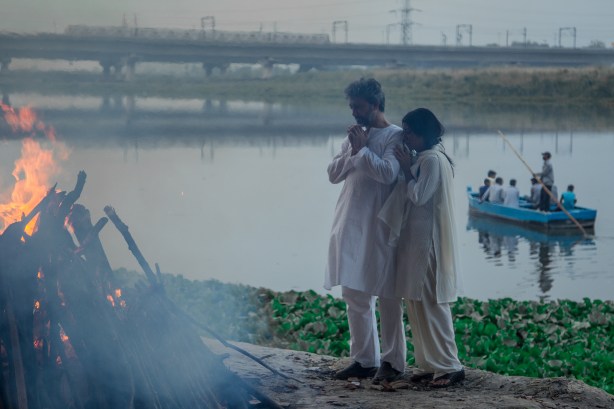
Neeraj Ghaywan stormed into the filmmaking scene this year with his debut film Masaan. Its journey started with selection at Cannes where it bagged two top awards, and it was followed by a release in India with the best reviews of the year.

So thanks to Neeraj Ghaywan and Varun Grover, we are the sharing the script of Masaan. This is the pre-shooting draft. It’s much longer than the film but will be interesting to read as editing and on-set improvs changed a lot of things. Happy reading!

Film : Masaan

Director : Neeraj Ghaywan

Story : Neeraj Ghaywan and Varun Grover

Screenplay & Dialogues : Varun Grover

To read the scripts of other films that we have posted on the blog, click here.

Script of Sujoy Ghosh’s Short ‘Ahalya’

Posted: August 4, 2015 by moifightclub in film, Scripts, short film
Tags: , , ,

With Sujoy Ghosh’s short film ‘Ahalya‘ doing exceptionally well on youtube, many of you had asked for the script of the film. So here we are. Thanks to Sujoy, we are uploading the script of the short. Enjoy reading!


As we have done in the past, this year too we are trying to source the scripts of some of the best films of the year. As most of you know, the scripts of Hollywood films are easily available online, even the unreleased ones. But we don’t have any such database of Hindi or Indian films. So that has been the primary reason for this initiative. And it has been possible only because some of the screenwriters and filmmakers have been very supportive about it. It’s only for educational purpose and much like the spirit of the blog, is a complete non-profitable exercise.

Ashim Ahluwalia’s Miss Lovely was easily one of the best films of the year. A film so strong in its atmosphere, it makes you feel you are in the middle of that era where the story is set. And that’s what sets this film distinctly apart from the rest. Smoke-filled rooms, garish costumes, sleaze in every corner – you could almost smell the walls and feel the claustrophobia of the B-movie world created by the filmmaker.

So thanks to Ashim Ahluwalia, we are the sharing the script of Miss Lovely. This is the original English version, without the Hindi dialogues.

In our “Best Of 2014” series, here are the other film scripts that we have shared so far – Ankhon Dekhi is here, Queen is here, and for Dedh Ishqiya, click here.

Film : Miss Lovely

Director : Ashim Ahluwali

Story : Ashim Ahluwalia

Screenplay : Uttam Sirur and Ashim Ahluwalia

Do click on the “Scripts” tab on the top right corner of the blog page to access all the other scripts that we have posted in the past.

As we have done in the past, this year too we are trying to source the scripts of some of the best films of the year. As most of you know, the scripts of Hollywood films are easily available online, even the unreleased ones. But we don’t have any such database of Hindi or Indian films. So that has been the primary reason for this initiative. And it has been possible only because some of the screenwriters and filmmakers have been very supportive about it. It’s only for educational purpose and much like the spirit of the blog, is a complete non-profitable exercise.

To make an impressive debut is a difficult task. To follow it up with a sequel, and to deliver better than the first, that’s almost impossible. And Abhishek Chaubey managed to score on both counts. While Ishqiya was all rustic cool, Dedh Ishqiya was rich in tone, mood, texture and poetry, that also had Begum Akhtar, Ghalib, Bashir Badr and a delicious homage to Ismat Chugtai. All these in a bollywood film loaded with dialogues in pristine Urdu? what a beauty, what a rarity!

So thanks to Vishal Bhardwaj and Abhishek Chaubey, we are sharing the first draft and the shooting draft of Dedh Ishqiya.

Do click on the “Scripts” tab on the top right corner of the blog page to access all the other scripts (Queen, Ankhon Dekhi, The Lunchbox, Shahid, Kai Po Che, D Day, Lootera, Kahaani, Ek Main Aur Ek Tu, Agent Vinod, Dev D etc) that we have posted here so far.

Film : Dedh Ishqiya

Director : Abhishek Chaubey

Story : Darab Farooqui

Screenplay : Vishal Bhardwaj & Abhishek Chaubey

Dialogue : Vishal Bhardwaj

(PS – As a writing exercise, do check out the notes about the climax in the first draft before they managed to resolve it)

(For more from our “Rewind 2014” series : Musical Gems We Discovered This Year is here, Kaali Zubaan’s bollywood wrap is here, 18 Film Fanatics on 18 Films That Stayed With Them is here, Songs We Played In Loop is here. In Best of 2014 – Script of Queen is here, Script of Ankhon Dekhi is here)

As we have done in the past, this year too we are trying to source the scripts of some of the best films of the year. As most of you know, the scripts of Hollywood films are easily available online, even the unreleased ones. But we don’t have any such database of Hindi or Indian films. So that has been the primary reason for this initiative. And it has been possible because some of the filmmakers have been very supportive about it. It’s only for educational purpose and much like the spirit of the blog, is a complete non-profitable exercise.

Rajat Kapoor’s Ankhon Dekhi is easily one of the best films this year. It has made it to the top of the year end list of many critics, filmmakers and our post too. Rajat has always been known for writing and directing unusual and interesting stories. But this time, the film really went beyond just the interesting premise. So here’s the script of Ankhon Dekhi in our “Best of 2014” list.

Thanks to Rajat Kapoor for sharing it. We have Ankhon Dekhi’s script in its pre-shooting original draft.

Do click on the “Scripts” tab on the top right corner of the blog page to access all the other scripts (Queen, The Lunchbox, Shahid, Kai Po Che, D Day, Lootera, Kahaani, Ek Main Aur Ek Tu, Agent Vinod, Dev D etc) that we have posted here so far.

Film – Ankhon Dekhi

Director : Rajat Kapoor

Story, Screenplay, Dialogue – Rajat Kapoor

As we have done in the past, this year too we are trying to source the scripts of some of the best films of the year. As most of you know, the scripts of Hollywood films are easily available online, even the unreleased ones. But we don’t have any such database for Hindi or Indian films. So that has been the primary reason for this initiative. And it has been possible because some of the filmmakers have been very supportive about it. It’s only for educational purpose and much like the spirit of the blog, is a complete non-profitable exercise. (ps – we copy-paste this para in every script post 😉

Vikas Bahl’s Queen was one of those rare films which was both critical as well as commercial success. So thanks to good folks at Phantom Films (especially Ranjan Singh) and Vikas Bahl, we are sharing the script of Queen. There are two drafts of it – an older version and a shooting draft. Please do remember that lot of things were improvised on the sets, so it’s a good exercise to see the difference from early draft to shooting draft to the final film.

Do click on the “Scripts” tab on the top right corner of the blog page to access all the other scripts (The Lunchbox, Shahid, Kai Po Che, D Day, Lootera, Kahaani, Ek Main Aur Ek Tu, Agent Vinod, Dev D etc) that we have posted here so far.

Film : Queen

Director : Vikas Bahl

Story & Screenplay : Parveez Shaikh, Chaitally Parmar & Vikas Bahl

Dialogue : Anvita Dutt & Kangana Ranaut

NFDC Labs, the Training and Development arm of NFDC (The National Film Development Corporation Ltd), has announced six finalists for the NFDC – Harlequin Romance Screenwriters’ Lab. The first of its kind three-part Lab with romance and women-centric plots as the themes, has Habib Faisal and Bhavani Iyer as mentors. Ashok Banker and Shoma Narayanan will guide the parallely held Harlequin Lab.

Post the Lab, Harlequin will offer book deals to the most promising writers.

The final six scripts / writers are:

1. Anjuna Beats – Thomas Jacob

2. Love in the Time of Moral Policing – Niharika Negi

3. Magic for Maria – Annie Zaidi

4. Vanmala – Abhimanyu Kulkarni

5. A Second Life – Pravina Srivastava

6. The Falcon Hunter – Vineet Gupta

1. Anjuna Beats (English) by Thomas Jacob – A writer / director and having worked on one feature film, one short film, 3D shorts, corporate films and documentaries, Thomas was one of the young filmmakers invited for the prestigious Berlinale Talent Campus 2010 conducted by the Berlin International Film Festival (2010).

2. Love in the Time of Moral Policing (English – Hindi – Marathi) by Niharika Negi – Niharika has an interesting mix of experience in Film and Theatre- India and London, with stints at Shree Ashtavinayak Cine Vision Limited, FutureWorks, Channel [V], Big Boy Productions (London), The Hat Factory Arts Center (London), Poor Box Productions, QTP’s Thespo amongst others.

3. Magic for Maria (Hindi – English) by Annie Zaidi – Annie has been writing across various genres and has directed short films and plays. She has contributed to various newspapers and magazines including Mid-Day, Frontline, Tehelka, Caravan, Mint, Elle, Femina, and DNA (Daily News and Analysis).

4. Vanmala (English) by Abhimanyu Kulkarni – Abhimanyu is a design professional at an MNC and is passionate about writing. His interest in screenplay writing has led him to do a professional course from UCLA followed by two commissioned projects.

5. A Second Life (English) by Pravina Srivastava – A media professional in the past, now based in Pondicherry, Pravina is an aspiring writer with A Second Life as her first attempt in screenplay writing.

6. The Falcon Hunter (English) by Vineet Gupta – Vineet is a Consulting Analyst with a strong academic background. A graduate from Harvard University, Vineet has done his PHD in Mathematics from California Institute of Technology and other programs from leading international universities like Cambridge and Stanford. The Falcon Hunter will be Vineet’s first project as a scriptwriter.

The three part Lab will include 2 residential programs, the schedule being:

First part at a hotel in Pune – 27 – 31 July 2014;

Second part – offline program conducted as per schedule mutually decided between the mentors and the writers;

Third and the final part – 16 – 20 November 2014 at Film Bazaar in Goa.

In the last of our posts on Ankhon Dekhi (Fatema Kagalwala’s piece here and Q&A with Rajat Kapoor here), Mihir Pandya (film critic and the author of Shahar aur Cinema: Via Dilli) comes up with some keen observations on the naksha of Babuji’s home, mind-scape, and philosophy.

And continuing with our efforts to share the scripts of most talked-about and best reviewed films, we have Ankhon Dekhi’s script in its pre-shooting original draft. Thanks to Rajat Kapoor for sharing it.


vlcsnap-2014-04-21-16h54m50s212अाँखों देखी : विलक्षण साधारणता अौर अनुभवजन्य यथार्थ

राष्ट्रीय पाठ््यचर्या की साल 2005 में प्रोफेसर यशपाल की अध्यक्षता में बनी रूपरेखा के मध्य एक दिलचस्प किस्सा सम्मिलित है, ‘शीत ऋतु की एक सुबह’ शीर्षक से. किस्सा कुछ यूँ है, “शिक्षिका ने बच्चों को प्रात:कालीन दृश्य बनाने के लिए कहा. एक बच्चे ने अपना चित्र पूरा किया और पार्श्व को गाढ़ा कर दिया लगभग सूर्य को छिपाते हुए. “मैंने तुम्हें प्रात:कालीन दृश्य बनाने के लिए कहा था, सूर्य को चमकना चाहिए.” शिक्षिका चिल्ला उठी, उसने यह ध्यान नहीं दिया कि बच्चे की आँखें खिड़की से बाहर देख रही हैं; आज अभी तक अँधेरा था, सूर्य गहरे काले बादलों के पीछे छिपा हुआ था.” किताबी शिक्षा के ऊपर स्वयं बच्चे के अनुभवजन्य सत्य को तरजीह देनेवाले इस किस्से की याद मुझे फिल्म ‘अाँखों देखी’ देखते हुए बेतरह अाती रही.

रजत कपूर द्वारा निर्देशित फिल्म ‘अाँखों देखी’ के मध्य एक सहज ध्यानाकर्षित करनेवाले प्रसंग में कथा के केन्द्रीय किरदार बाबूजी (संजय मिश्रा) अपने स्कूल में पढ़ने वाले भतीजे के उस गणित के मास्टर से सीधे भिड़ जाते हैं जिसने भतीजे द्वारा उत्तरपुस्तिका में अक्षरश: वही उत्तर न लिखा होने के चलते, जो किताब में लिखा है, उसे परीक्षा में फेल कर दिया है. इस दृश्य की खूबसूरती जितनी इसके तर्क में है, उतनी ही इसके किरदारों की ख़ब्त अौर उससे उपजते उनके विरोधाभासी व्यक्तित्वों में है. यहाँ पुरानी दिल्ली के निम्नवर्गीय परिवार का मुखिया एक मिडिल स्कूल के गणित के मास्टर को यह समझाने में लगा हुअा है कि सिर्फ़ नज़रिये का फर्क किसी सच को झूठ में नहीं बदल देता, अौर कि सच्चाई को देखने-समझने अौर महसूस करने के सबके अपने निजी तरीके-रास्ते हो सकते हैं. दोनों सामान्य से गणित के सिद्धान्त पर दूसरे अादमी को खिजा देने की हद तक पिले हुए हैं. बाबूजी का तर्क है कि जब दो समांतर रेखाएं एक-दूसरे से मिल ही नहीं सकतीं, तो यह क्यों कहा जाये कि वे किसी अनदेखे-अदृश्य ‘अनन्त’ पर जाकर वे मिल जायेंगी?

बाबूजी का भतीजे की गणित की किताब में मौजूद निर्जीव समांतर रेखाअों को नई मौलिक नज़र से देखने का यह अाग्रह जीवंत लोगों को देखने के उनके नज़रिये में भी पैठ बना रहा है. अपने ही दफ्तर के चायवाले अौर साथ काम कर रहे बाबू में उन्हें वह सुन्दरता नज़र अाने लगती है, जिसे चिह्नित करने की फ़ुरसत अौर नज़र, शायद दोनों ही उनके पास पहले नहीं थी. अौर सिर्फ़ अपने ‘भोगे हुए यथार्थ’ पर दुनिया को पहचानने के इस नए प्रण के पीछे कोई अाख्यानिक किस्म का किस्सा भी नहीं है. यूँ ही एक भले दिन घर में घटी सामान्य सी घटना से बाबूजी को यह भिन्न क़िस्म का नज़रिया हासिल होता है अौर फिर घर में एक नितान्त रोज़ाना सी सुबह बाबूजी दफ़्तर जाने से पहले नहाते हुए यह प्रण करते हैं कि “मेरा सच मेरे अनुभव का सच होगा. अाज से मैं हर उस बात को मानने से इनकार कर दूंगा जिसे मैंने खुद देखा या सुना न हो. हर बात में सवाल करूँगा. हर चीज़ को दोबारा देखूँगा, सुनूँगा, जानूँगा, अपनी नज़र के तराजू से तौलूँगा. अौर कोई भी ऐसी बात, जिसको मैंने जिया ना हो उसको अपने मुँह से नहीं निकालूँगा. जो कुछ भी गलत मुझे सिखाया गया है, या गलत तरीके से सिखाया गया है वो सब भुला दूँगा. अब सब कुछ नया होगा. नए सिरे से होगा. सच्चा होगा, अच्छा होगा, सब कुछ नया होगा. जो देखूँगा, उस पर ही विश्वास करूँगा.”

यहाँ यह भी साथ ही रेखांकित किया जाना चाहिए कि बाबूजी को अचानक हासिल हुई दुनिया को देखने की यह अनुभवजन्य यथार्थ पर अाधारित दृष्टि उन्हें परिवार के अन्य किरदारों से भिन्न तो बनाती है, लेकिन वे फिल्म के ‘अादर्श नायक’ नहीं हैं. फिल्म इस बात को लेकर सदा चेतस है कि बाबूजी अपनी नई दृष्टि से लैस होकर भी परिवार के मुखिया की उस भूमिका को नहीं छोड़ते जहाँ घर के अन्य सदस्य उनकी नज़र में स्वयं कर्ता नहीं, उनकी क्रियाअों पर प्रतिक्रिया करनेवालों की द्वितीयक भूमिका में हैं. छोटे भाई के घर छोड़कर चले जाने के प्रसंग में भी उनका अनुभवजन्य यथार्थ उन्हें अपने भाई के निजी यथार्थ तक नहीं पहुँचने देता. अौर ख़ासकर यह उनके अपनी पत्नी (सीमा पाह्वा) से संबंधों में प्रगट होता है. बाबूजी अपनी नई दृष्टि से लैस होकर भी घर के भीतर उस नई दृष्टि का इस्तेमाल कर पाने में असमर्थ हैं अौर अपनी पत्नी को कहते हैं, “कुछ भी नया सोचो अौर तुम अौरतें… चुप रहो.” लेकिन फिर अपनी बेटी से संबंध में यह नई दृष्टि बाबूजी को नई पीढ़ी के अनुभव तक पहुँचने में मदद भी करती है. वे देख पाते हैं बिना किसी पूर्वाग्रह के, जो उनकी बेटी अपने भविष्य के लिए निर्धारित कर रही है.

बाबूजी अजीब किस्म की लगती ख़ब्त तो पालते हैं, लेकिन वे इसके ज़रिये कोई क्रान्ति करने निकले मसीहाई अवतार नहीं हैं. दरअसल इसके ज़रिये वे अपनी साधारण सी लगती ज़िन्दगी को ही कुछ अौर बेहतर तरीके से जानने, समझने की कोशिश कर रहे हैं. यहाँ यह फिल्म शशांत शाह की ‘दसविदानिया’ की याद दिलाती है, जिसमें मध्यवर्गीय ज़िन्दगी की साधारणता अौर उस साधारणता में छिपी विलक्षणता की कथा कही गई थी. यहाँ दरियागंज में पुश्तैनी मकान में रहनेवाले संयुक्त परिवार की ज़िन्दगी का टुकड़ा हमारे सामने है, जिसके चिह्न फिल्म के प्रामाणिक सेट डिज़ाइन, संगीत अौर धारधार छायांकन में उभरकर सामने अाते हैं. अौर उन संदर्भों के ज़रिये जिनसे फिल्म पुरानी दिल्ली की निम्न मध्यमवर्गीय ज़िन्दगी अौर उसमें होते पीढ़ीगत बदलाव को रचती है. घरों का बदलना अौर उनमें मुखियाअों की सत्ताअों का बदलना यहाँ स्टील के गिलास से चीनी-मिट्टी के कपों में होती गरम चाय की यात्रा में अभिव्यक्त होता है. यहाँ बन्द घरों अौर अापस में जुड़ी हुई छतों वाले घरों में इन्हीं शामिल छतों पर मनाए जाते सार्वजनिक जन्मदिन हैं तो मोहल्ले के नाई की दुकान अाज भी पुरुष ज़िन्दगी का सबसे महत्वपूर्ण सार्वजनिक स्थान है. लेकिन फ़िल्म का सबसे चमत्कारिक पदबंध उस घर की संरचना में छिपा है, जिसमें यह संयुक्त परिवार इतने सालों से रहता अाया है.

मेरे लिए ‘अाँखों देखी’ की बहुत सारी प्रामाणिकता उस घर के नक्शे में छिपी है, जिसमें बाबूजी अौर उनका परिवार इकट्ठे रहता है. बीच में बड़े से चौक के चारों अोर बने रेलगाड़ी के अागे-पीछे लगे डिब्बों से छोटे-छोटे कमरों से घिरी इस बहुमंज़िला इमारत को मैं देखते ही पहचान जाता हूँ. चूने की बनी दो हाथ चौड़ी मोटी दीवारों अौर खड़ी सीढ़ियों से बनी यह इमारतें उत्तर भारतीय शहरों की भवन निर्माण कला का शायद एक समय में सबसे प्रामाणिक नक्शा रही हैं. इनका बड़ा पोलनुमा दरवाज़ा किसी घनी इंसानी बस्ती की संकरी सी गली में खुलता है अौर कमरों के भीतर कमरे निकलते चले जाते हैं. अाप इस इमारत के नक्शे का मिलान अागरा शहर में रहनेवाले मिर्ज़ा परिवार की उस पुश्तैनी हवेली से कर सकते हैं, जिसे हमने सथ्यू साहिब की ‘गरम हवा’ में देखा था. अौर साथ ही इस तुलना द्वारा यहाँ समय के साथ उपयोग में बदलाव के चलते इन पुश्तैनी मकानों की बदलती संरचना पर भी गौर किया जाना चाहिए. समय के साथ जैसे-जैसे शहरी जीवन की सामुदायिकता सीमित हुई, घरों की संरचना में चौक का केन्द्रीय महत्व भी सीमित होता गया. भागती ज़िन्दगी के निवासी इन नौकरीपेशा लोगों की ज़िन्दगियों में समय को लेकर वो सहूलियत नहीं थी कि वे चौक में मजमा लगाकर घंटों चौपाल किया करें. नतीजा, चौक की जगह के अन्य उपयोग ढूँढ़े जाने लगे.

लेकिन इन इमारतों का नक्शा कुछ इस शक्ल का था कि चौक पर सीधे-सीधे छत डाल देना भी संभव नहीं था. यह चौक दरअसल बाक़ी मकान के लिए उस कृत्रिम फेंफड़े की तरह था, जिससे होकर ताज़ा हवा अौर रौशनी बाक़ी सारे निर्मित मकान में अाया करती थी. अौर मकान की संरचना में यह इन्तज़ाम ज़रूरी भी था, अाखिर अापस में एक-दूसरे से छतों से जुड़े मकानों वाले इन रिहाइशी इलाकों में वैसे भी अौर घर में रौशनी अाती भी कहाँ से. घर के नक्शे में हवा अौर रौशनी का इन्तज़ाम घर के बीच से ही करना ज़रूरी होता था. अौर ऐसे में अगर इस चौक के ऊपर पक्की छत पड़ जाती तो बाक़ी सारे मकान की हवा-रौशनी बन्द हो जाती. यहाँ फिर वो जुगत काम में अाती है जिसे इन पुश्तैनी मकानों में रहनेवाली नई पीढ़ियों ने इन घरों को हमेशा के लिए छोड़ने से पहले के कुछ सालों में बहुतायत से अपनाया अौर जिसका गवाह मेरा बचपन भी रहा है.

‘अाँखों देखी’ उस परिवार के बारे में है जिसके सदस्यों के मन में नए समय के साथ दौड़ लगाने की तमन्ना तो है, लेकिन उसके पाँव में सीमित अाय की बेड़ी पड़ी है. वह इस पुश्तैनी मकान की संरचना को बदलना चाहता है, उससे बाहर निकलना चाहता है. लेकिन उसके अार्थिक संसाधन उसे ऐसा करने की इजाज़त नहीं देते. अौर इस कारण वह इसी घर को नए समय में अनुकूलित करता है. इसीिलए चौक के ऊपर पड़ी उस जाली को मैं तुरन्त पहचान जाता हूँ. लोहे के सींखचों वाली यह जाली चौक के ऊपरी हिस्से को कुछ इस तरह ढकती है कि रौशनी अौर हवा पूरी तरह बन्द भी न हों अौर ऊपरी मंज़िल (जो ऐसे मकानों में सदा ज़्यादा ‘ख़ास’ होती है) को घर के बीच एक नया फर्श भी मिल जाये. फर्श न नही, फर्श का अाभास ही सही. ‘अाँखों देखी’ में परिवार के रिहाइश के मकान के मध्य में पड़ी यह जाली कितना कुछ कहती है. यह बताती है कि इस मकान में रहनेवाले अब इस रिहाइश के अनुकूल नहीं रहे अौर किन्हीं मजबूरियों के चलते अब अपने मकान को खुद की ज़रूरतों के अनुसार अनुकूलित कर रहे हैं. यह भी कि एक न एक दिन वे यहाँ से निकल जायेंगे. इसीलिए शायद छोटे भाई ऋषि (रजत कपूर) के पुश्तैनी घर छोड़कर जाने पर फिल्म का जो दृश्य सबसे ज़्यादा याद रह जाता है वो है उसी जाली को बीच से खोलकर रस्सियों द्वारा उतरती अलमारी का दृश्य.

कुछ साल पहले ‘लाइफ स्टाइल’ का कहलाए जानेवाले एक टीवी चैनल पर परिचर्चा में निर्देशक अौर अभिनेता रजत कपूर अपनी निजी ज़िन्दगी के बारे में बड़ी दिलचस्प बात बता रहे थे. ऐसे समय में जब मोबाइल भारतीय मध्यवर्ग की ज़िन्दगियों का ही नहीं, शहरी निम्नवर्ग की जीवनचर्या का भी अभिन्न हिस्सा हो गया है, वे अपने साथ मोबाइल नहीं रखते. वजह पूछने पर उन्होंने बताया था कि उनके हिसाब से इतना महत्वपूर्ण कुछ भी नहीं कि ज़रा देर इन्तज़ार न कर सके. बात को कुछ अौर लम्बा खीचूँ तो मतलब यह कि दुनिया में अाप जिस वक्त जहाँ मौजूद हैं, उससे ज़्यादा महत्वपूर्ण कहीं कुछ अौर नहीं घट रहा, यह विश्वास इस निर्णय के पीछे है. गौर से देखिए तो उनके द्वारा निर्देशित फिल्म ‘अाँखों देखी’ के मुख्य किरदार में भी अचानक यही विश्वास पैदा हो जाता है. वह अपने वर्तमान को किसी अन्य अदृश्य यथार्थ के लिए ठुकराने से इनकार कर देता है.

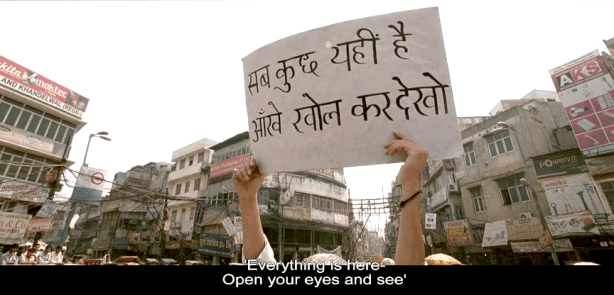
फिल्म में बाबूजी का यह निर्णय उनको अपने निजी यथार्थ में कहाँ पहुँचाता है, यह तो अाप फिल्म देखकर ही जानें. लेकिन फिल्म में बाबूजी की इस ख़ब्त से उपजे दो बहुत दिलचस्प प्रसंग हैं, जिनका उल्लेख मैं यहाँ करना चाहूँगा. पहला प्रसंग उनके फैसले के दिन का ही है, जब बाबूजी अपने भाई के अखबार पढ़ने पर टिप्पणी करते हैं, “खबर नहीं है ये. सब बकवास है. खबर वो होती है जिसे हम अपनी अाँखों से देखते हैं, कानों से सुनते हैं.” अौर दूसरा प्रसंग उनके पड़ोसी के लड़के द्वारा यह टिप्पणी किए जाने पर कि “बाबूजी भी न, कुएँ के मेंढक जैसी बातें करते हैं.” उनका जवाब बहुत मानीखेज़ है, “हाँ, मैं मेंढक हूँ. लेकिन अपने कुएँ से मैं परिचित हूँ. उसको जानने की कोशिश कर रहा हूँ. उससे अपना परिचय बढ़ा रहा हूँ.” अौर इसमें वह प्रसंग भी जोड़ लें जहाँ बाबूजी चावड़ी बाज़ार मेट्रो स्टेशन के बाहर व्यस्त सड़क पर हाथ में तख़्ती लिए खड़े हो जाते हैं. तख़्ती पर लिखा है, “सब कुछ यहीं है, अाँखें खोल कर देखो.” मेरी दिलचस्पी इन दोनों संदर्भों को जोड़कर देखने की है. क्या हम सूचना विस्फोट के इस महासमय में अपने निजी अनुभवजन्य यथार्थ से अपनी पकड़ खो रहे हैं? मैं यह सवाल इसलिए पूछ रहा हूँ क्योंकि इन अाधुनिक सूचना के साधनों पर हमारी निर्भरता कहीं न कहीं हमें द्वितीयक स्रोत पर प्राथमिक अनुभव से ज़्यादा भरोसा करनेवाला बनाती है. तर्क भी इसका साथ देता है क्योंकि एक अकेले व्यक्ति के अनुभव के मुकाबले समूह का अनुभवजन्य सत्य या तकनीक अाधारित सामुहिक यथार्थ बड़ा माना ही जाना चाहिए. लेकिन इसके अपने खतरे हैं, जिनका सामना हम वर्तमान समय में कर रहे हैं. अाज द्वितीयक सूचना के स्रोतों को योजना के तहत नियंत्रित किया जा रहा है. शायद मध्यवर्गीय जनसमूह इसे पहचान भी रहा है. लेकिन दिक्कत यहाँ अाती है कि उसने अपने प्राथमिक स्रोत, अपने अनुभवजन्य यथार्थ में भरोसा खो दिया है. ऐसे में हम सब जैसे किसी अंधेरे तहख़ाने में हैं अौर एक-दूसरे से भविष्य का हाल ऐसे ले रहे हैं जैसे कोई अंधा हाथों से टटोलकर कमरे में रखे हाथी की अाकृति को पहचानने की कोशिश कर रहा हो. पिछले एक महीने में दर्जनभर लोग मुझसे बहुत उम्मीद से यह पूछ चुके हैं कि मैं उन्हें बताऊँ कि अाने वाली सोलह मई को अाखिर होने क्या वाला है.

मेरी खुद को भी, अौर उन तमाम लोगों को भी जो किसी छिपे हुए यथार्थ को जान लेने की तलाश में अाजकल बनारस की अोर भाग रहे हैं, एक ही सलाह है − “सब कुछ यहीं है, अाँखें खोल कर देखो”.

– Mihir Pandya

(This piece was first published in Hindi journal ‘Kathadesh’)

And here’s the script of Ankhon Dekhi