KAUFMAN - "Or cramming in sex, or car chases, or guns. Or characters learning profound life lessons. Or characters growing or characters changing or characters learning to like each other or characters overcoming obstacles to succeed in the end. Y'know ? Movie shit."
Kaufman is sweating like crazy now. Valerie is quiet for a moment - from "Adaptation".
We are all about CINEMA. That movie shit.
NOTHING is sacred.
NOBODY is spared.
Because we talk about films, dammit.
Not your sex life.
Films, fests, unsung, indies, undiscovered - all that and some fun. If you have dope on anything related to cinema or you would like to share something, do write to us at moifightclub@gmail.com.
The views, opinions, reviews, articles, or positions, expressed by the authors and those providing comments are theirs alone, and do not necessarily reflect the views, opinions, positions or strategies of ANY OF THE EMPLOYERS, FRIENDS, RELATIVES, PR agencies, Production houses, Media group and such third parties associated with the authors. The latter make no representations as to accuracy, completeness, currentness, suitability, or validity of any information on this site and will not be liable for any errors, omissions, or delays in this information or any losses, injuries, or damages arising from its display or use.
In short, if you have an issue with us or any post we've written, write to us at moifightclub@gmail.com
Sundance Institute has announced the 13 projects which have been selected for Screenwriters and Directors Lab. Set at the Sundance Resort in Utah, the Directors Lab will run from May 26 to June 19 and the Screenwriters’ Lab will run from June 21-26. Vasan Bala’s new script Side Hero has been selected for the Screenwriters Lab.
Here’s more on the film (from the official statement) –
Vasan Bala (writer/director) / Side Hero (India): A teenager who lives by the codes of his beloved kung fu movies must find his own way when he discovers that he may never get to be the hero.
Vasan Bala was born and raised in Mumbai. Both his father and grandfather were film buffs whose love of film inspired his own. Bala has collaborated in various capacities with filmmakers including Anurag Kashyap, Michael Winterbottom, and Danis Tanvoic. His debut feature as a writer/director, Peddlers, screened in Critics Week at the 2012 Cannes Film Festival.
The Directors Lab fellows are: Gabriela Amaral Almeida, The Father’s Shadow (Brazil); Jordana Spiro and Angelica Nwandu, Night Comes On (U.S.A.); Sofia Exarchou, Park (Greece); Geremy Jasper, Patti Cake$ (U.S.A.); Oorlagh George, Stranger with a Camera (U.S.A. / Northern Ireland): Daniel Kwan and Daniel Scheinert, Swiss Army Man (U.S.A.); Johnny Ma, Ten Thousand Happiness (U.S.A. / China / Canada); Jeremiah Zagar and Daniel Kitrosser, We the Animals (U.S.A.).
The Screenwriter Lab fellows are: Ana Lily Amirpour, The Bad Batch (U.S.A.); Karrie Crouse and Will Joines, Dust (U.S.A.); Fernando Frias, I’m Already Not Here (U.S.A. / Mexico); Hong Khaou, Monsoon (Vietnam / UK); and Vasan Bala, Side Hero(India).
Creative Advisors include Robert Redford, Michael Arndt, Miguel Arteta, John August, Walter Bernstein, Kathryn Bigelow, Scott Z. Burns, Joan Darling, Deena Goldstone, Keith Gordon, Catherine Hardwicke, Ed Harris, Azazel Jacobs, Brian Kates, Christine Lahti, Kasi Lemmons, Josh Marston, Pamela Martin, Walter Mosley, Howard Rodman, Ira Sachs, Marjane Satrapi, Susan Shilliday, Peter Sollett, Dana Stevens, Wesley Strick, Chris Terrio, Joan Tewkesbury, Athina Tsangari, Tyger Williams, and Erin Cressida Wilson.
The Oscar-nominated Beasts Of The Southern Wild was a 2011 Screenwriters Lab participant. January 2012 Screenwriters Lab alumni Ryan Coogler saw his Fruitvale Station, which debuted at the 2013 Festival, attract awards and acclaim. (via Deadline)
IIT Madras is presenting Imaging Cinema 2014, a Screenwriting-cum-Filmmaking Workshop from 7-14 June. The focus is on various aspects of screenwriting. Experienced resource persons will conduct Sessions on screenwriting. Special sessions on aspects of direction and screenwriting will be conducted by established names from Mumbai and South Indian cine industries (including directors, screenwriters, and actors). The course outline will soon be available on the website.
Speakers :
Jaideep Sahni (screenwriter of Company, Chak de India, Shuddh Desi Romance)
Ram (director of National Award winning Thanga Meengal
Shridhar Raghavan (screenwriter of Khakee, Bluffmaster, Dum Maaro Dum, forthcoming film starring Ajith with Gautham Menon as director)
Vikramaditya Motwane (director, Udaan, Lootera)
Rana Daggubati
Registration:
Those interested in participating can fill in the completed application form available here or here.
WorkshopDates : 7-14th June
Last Date of applying is 11 May 2014.
Accommodation on campus is available for outstation candidates only on a first come first serve basis.
Course fee:
· Rs 7000/ for all participants
· Rs 6000/ for former participants (those who attended our previous events) and students, who are still pursuing their degree;
· Rs 8000/ for NRIs & Foreign Nationals.
– At the end of the workshop, participants will be able to produce a screenplay under the guidance of the mentors. They will be awarded with an IIT Madras certificate of participation.
– The workshop will be held on IITM Campus and is organized by Dr Aysha Iqbal Viswamohan, Associate Professor, Dept of Humanities & Social Sciences, IIT Madras.
– To view some of the short films made by participants in 2012, click here or here.
About IITM Film Workshops:
IIT Madras has become a well-known centre for highly popular film workshops. In May 2009 the institute hosted the Chennai International Screenwriting Workshop which was organized under the auspices of Padma Bhushan Dr Kamal Haasan’s Rajkamal Studio. This 5 day Workshop included sessions by Shri K Balachander, Shekhar Kapoor, Rakeysh Omprakash Mehra, Sriram Raghavan, Atul Tiwari, and Anjum Rajabali.
This was followed by a spate of successful events including a 6 day screenwriting cum conclave on filmmaking in 2010 , which had Dibakar Banerjee, K Balachander, RBalki, Santosh Sivan, PC Sreeram, Jaideep Sahni, Shimit Amin, Nagesh Kukunoor, Saurabh Shukla, editor Sreekar Prasad, and Tamil film directors Vishnuvardhan and CS Amudhan.
In 2012, a 10 day filmmaking workshop was organized where faculty members from FTII, Pune and LV Prasad Institute, Chennai conducted sessions on various aspects of filmmaking such as screenwriting, direction, cinematography, editing, sound and set designing. Participants produced a 3- 5 minute feature at the end of the workshop. Speakers included Rohan Sippy, Anurag Kashyap, Sriram & Sridhar Raghavan, Habib Faisel, Ravi K Chandran, Tamil directors Vetrimaaran and Kumarrajan Thiagarajan and writers Subha and Bala.
– Why attend the Workshop?
The uniqueness of these workshops lie in their outreach where candidates from a cross section of society interact with established names from the Indian film industry. Many of our previous attendees have gone on to make a mark for them in film and media industry, and are currently in the process of making and screenwriting for films or assisting filmmakers of repute.
In the last of our posts on Ankhon Dekhi (Fatema Kagalwala’s piece here and Q&A with Rajat Kapoor here), Mihir Pandya (film critic and the author of Shahar aur Cinema: Via Dilli) comes up with some keen observations on the naksha of Babuji’s home, mind-scape, and philosophy.
And continuing with our efforts to share the scripts of most talked-about and best reviewed films, we have Ankhon Dekhi’s script in its pre-shooting original draft. Thanks to Rajat Kapoor for sharing it.
अाँखों देखी : विलक्षण साधारणता अौर अनुभवजन्य यथार्थ
राष्ट्रीय पाठ््यचर्या की साल 2005 में प्रोफेसर यशपाल की अध्यक्षता में बनी रूपरेखा के मध्य एक दिलचस्प किस्सा सम्मिलित है, ‘शीत ऋतु की एक सुबह’ शीर्षक से. किस्सा कुछ यूँ है, “शिक्षिका ने बच्चों को प्रात:कालीन दृश्य बनाने के लिए कहा. एक बच्चे ने अपना चित्र पूरा किया और पार्श्व को गाढ़ा कर दिया लगभग सूर्य को छिपाते हुए. “मैंने तुम्हें प्रात:कालीन दृश्य बनाने के लिए कहा था, सूर्य को चमकना चाहिए.” शिक्षिका चिल्ला उठी, उसने यह ध्यान नहीं दिया कि बच्चे की आँखें खिड़की से बाहर देख रही हैं; आज अभी तक अँधेरा था, सूर्य गहरे काले बादलों के पीछे छिपा हुआ था.” किताबी शिक्षा के ऊपर स्वयं बच्चे के अनुभवजन्य सत्य को तरजीह देनेवाले इस किस्से की याद मुझे फिल्म ‘अाँखों देखी’ देखते हुए बेतरह अाती रही.
रजत कपूर द्वारा निर्देशित फिल्म ‘अाँखों देखी’ के मध्य एक सहज ध्यानाकर्षित करनेवाले प्रसंग में कथा के केन्द्रीय किरदार बाबूजी (संजय मिश्रा) अपने स्कूल में पढ़ने वाले भतीजे के उस गणित के मास्टर से सीधे भिड़ जाते हैं जिसने भतीजे द्वारा उत्तरपुस्तिका में अक्षरश: वही उत्तर न लिखा होने के चलते, जो किताब में लिखा है, उसे परीक्षा में फेल कर दिया है. इस दृश्य की खूबसूरती जितनी इसके तर्क में है, उतनी ही इसके किरदारों की ख़ब्त अौर उससे उपजते उनके विरोधाभासी व्यक्तित्वों में है. यहाँ पुरानी दिल्ली के निम्नवर्गीय परिवार का मुखिया एक मिडिल स्कूल के गणित के मास्टर को यह समझाने में लगा हुअा है कि सिर्फ़ नज़रिये का फर्क किसी सच को झूठ में नहीं बदल देता, अौर कि सच्चाई को देखने-समझने अौर महसूस करने के सबके अपने निजी तरीके-रास्ते हो सकते हैं. दोनों सामान्य से गणित के सिद्धान्त पर दूसरे अादमी को खिजा देने की हद तक पिले हुए हैं. बाबूजी का तर्क है कि जब दो समांतर रेखाएं एक-दूसरे से मिल ही नहीं सकतीं, तो यह क्यों कहा जाये कि वे किसी अनदेखे-अदृश्य ‘अनन्त’ पर जाकर वे मिल जायेंगी?
बाबूजी का भतीजे की गणित की किताब में मौजूद निर्जीव समांतर रेखाअों को नई मौलिक नज़र से देखने का यह अाग्रह जीवंत लोगों को देखने के उनके नज़रिये में भी पैठ बना रहा है. अपने ही दफ्तर के चायवाले अौर साथ काम कर रहे बाबू में उन्हें वह सुन्दरता नज़र अाने लगती है, जिसे चिह्नित करने की फ़ुरसत अौर नज़र, शायद दोनों ही उनके पास पहले नहीं थी. अौर सिर्फ़ अपने ‘भोगे हुए यथार्थ’ पर दुनिया को पहचानने के इस नए प्रण के पीछे कोई अाख्यानिक किस्म का किस्सा भी नहीं है. यूँ ही एक भले दिन घर में घटी सामान्य सी घटना से बाबूजी को यह भिन्न क़िस्म का नज़रिया हासिल होता है अौर फिर घर में एक नितान्त रोज़ाना सी सुबह बाबूजी दफ़्तर जाने से पहले नहाते हुए यह प्रण करते हैं कि “मेरा सच मेरे अनुभव का सच होगा. अाज से मैं हर उस बात को मानने से इनकार कर दूंगा जिसे मैंने खुद देखा या सुना न हो. हर बात में सवाल करूँगा. हर चीज़ को दोबारा देखूँगा, सुनूँगा, जानूँगा, अपनी नज़र के तराजू से तौलूँगा. अौर कोई भी ऐसी बात, जिसको मैंने जिया ना हो उसको अपने मुँह से नहीं निकालूँगा. जो कुछ भी गलत मुझे सिखाया गया है, या गलत तरीके से सिखाया गया है वो सब भुला दूँगा. अब सब कुछ नया होगा. नए सिरे से होगा. सच्चा होगा, अच्छा होगा, सब कुछ नया होगा. जो देखूँगा, उस पर ही विश्वास करूँगा.”
यहाँ यह भी साथ ही रेखांकित किया जाना चाहिए कि बाबूजी को अचानक हासिल हुई दुनिया को देखने की यह अनुभवजन्य यथार्थ पर अाधारित दृष्टि उन्हें परिवार के अन्य किरदारों से भिन्न तो बनाती है, लेकिन वे फिल्म के ‘अादर्श नायक’ नहीं हैं. फिल्म इस बात को लेकर सदा चेतस है कि बाबूजी अपनी नई दृष्टि से लैस होकर भी परिवार के मुखिया की उस भूमिका को नहीं छोड़ते जहाँ घर के अन्य सदस्य उनकी नज़र में स्वयं कर्ता नहीं, उनकी क्रियाअों पर प्रतिक्रिया करनेवालों की द्वितीयक भूमिका में हैं. छोटे भाई के घर छोड़कर चले जाने के प्रसंग में भी उनका अनुभवजन्य यथार्थ उन्हें अपने भाई के निजी यथार्थ तक नहीं पहुँचने देता. अौर ख़ासकर यह उनके अपनी पत्नी (सीमा पाह्वा) से संबंधों में प्रगट होता है. बाबूजी अपनी नई दृष्टि से लैस होकर भी घर के भीतर उस नई दृष्टि का इस्तेमाल कर पाने में असमर्थ हैं अौर अपनी पत्नी को कहते हैं, “कुछ भी नया सोचो अौर तुम अौरतें… चुप रहो.” लेकिन फिर अपनी बेटी से संबंध में यह नई दृष्टि बाबूजी को नई पीढ़ी के अनुभव तक पहुँचने में मदद भी करती है. वे देख पाते हैं बिना किसी पूर्वाग्रह के, जो उनकी बेटी अपने भविष्य के लिए निर्धारित कर रही है.
बाबूजी अजीब किस्म की लगती ख़ब्त तो पालते हैं, लेकिन वे इसके ज़रिये कोई क्रान्ति करने निकले मसीहाई अवतार नहीं हैं. दरअसल इसके ज़रिये वे अपनी साधारण सी लगती ज़िन्दगी को ही कुछ अौर बेहतर तरीके से जानने, समझने की कोशिश कर रहे हैं. यहाँ यह फिल्म शशांत शाह की ‘दसविदानिया’ की याद दिलाती है, जिसमें मध्यवर्गीय ज़िन्दगी की साधारणता अौर उस साधारणता में छिपी विलक्षणता की कथा कही गई थी. यहाँ दरियागंज में पुश्तैनी मकान में रहनेवाले संयुक्त परिवार की ज़िन्दगी का टुकड़ा हमारे सामने है, जिसके चिह्न फिल्म के प्रामाणिक सेट डिज़ाइन, संगीत अौर धारधार छायांकन में उभरकर सामने अाते हैं. अौर उन संदर्भों के ज़रिये जिनसे फिल्म पुरानी दिल्ली की निम्न मध्यमवर्गीय ज़िन्दगी अौर उसमें होते पीढ़ीगत बदलाव को रचती है. घरों का बदलना अौर उनमें मुखियाअों की सत्ताअों का बदलना यहाँ स्टील के गिलास से चीनी-मिट्टी के कपों में होती गरम चाय की यात्रा में अभिव्यक्त होता है. यहाँ बन्द घरों अौर अापस में जुड़ी हुई छतों वाले घरों में इन्हीं शामिल छतों पर मनाए जाते सार्वजनिक जन्मदिन हैं तो मोहल्ले के नाई की दुकान अाज भी पुरुष ज़िन्दगी का सबसे महत्वपूर्ण सार्वजनिक स्थान है. लेकिन फ़िल्म का सबसे चमत्कारिक पदबंध उस घर की संरचना में छिपा है, जिसमें यह संयुक्त परिवार इतने सालों से रहता अाया है.
मेरे लिए ‘अाँखों देखी’ की बहुत सारी प्रामाणिकता उस घर के नक्शे में छिपी है, जिसमें बाबूजी अौर उनका परिवार इकट्ठे रहता है. बीच में बड़े से चौक के चारों अोर बने रेलगाड़ी के अागे-पीछे लगे डिब्बों से छोटे-छोटे कमरों से घिरी इस बहुमंज़िला इमारत को मैं देखते ही पहचान जाता हूँ. चूने की बनी दो हाथ चौड़ी मोटी दीवारों अौर खड़ी सीढ़ियों से बनी यह इमारतें उत्तर भारतीय शहरों की भवन निर्माण कला का शायद एक समय में सबसे प्रामाणिक नक्शा रही हैं. इनका बड़ा पोलनुमा दरवाज़ा किसी घनी इंसानी बस्ती की संकरी सी गली में खुलता है अौर कमरों के भीतर कमरे निकलते चले जाते हैं. अाप इस इमारत के नक्शे का मिलान अागरा शहर में रहनेवाले मिर्ज़ा परिवार की उस पुश्तैनी हवेली से कर सकते हैं, जिसे हमने सथ्यू साहिब की ‘गरम हवा’ में देखा था. अौर साथ ही इस तुलना द्वारा यहाँ समय के साथ उपयोग में बदलाव के चलते इन पुश्तैनी मकानों की बदलती संरचना पर भी गौर किया जाना चाहिए. समय के साथ जैसे-जैसे शहरी जीवन की सामुदायिकता सीमित हुई, घरों की संरचना में चौक का केन्द्रीय महत्व भी सीमित होता गया. भागती ज़िन्दगी के निवासी इन नौकरीपेशा लोगों की ज़िन्दगियों में समय को लेकर वो सहूलियत नहीं थी कि वे चौक में मजमा लगाकर घंटों चौपाल किया करें. नतीजा, चौक की जगह के अन्य उपयोग ढूँढ़े जाने लगे.
लेकिन इन इमारतों का नक्शा कुछ इस शक्ल का था कि चौक पर सीधे-सीधे छत डाल देना भी संभव नहीं था. यह चौक दरअसल बाक़ी मकान के लिए उस कृत्रिम फेंफड़े की तरह था, जिससे होकर ताज़ा हवा अौर रौशनी बाक़ी सारे निर्मित मकान में अाया करती थी. अौर मकान की संरचना में यह इन्तज़ाम ज़रूरी भी था, अाखिर अापस में एक-दूसरे से छतों से जुड़े मकानों वाले इन रिहाइशी इलाकों में वैसे भी अौर घर में रौशनी अाती भी कहाँ से. घर के नक्शे में हवा अौर रौशनी का इन्तज़ाम घर के बीच से ही करना ज़रूरी होता था. अौर ऐसे में अगर इस चौक के ऊपर पक्की छत पड़ जाती तो बाक़ी सारे मकान की हवा-रौशनी बन्द हो जाती. यहाँ फिर वो जुगत काम में अाती है जिसे इन पुश्तैनी मकानों में रहनेवाली नई पीढ़ियों ने इन घरों को हमेशा के लिए छोड़ने से पहले के कुछ सालों में बहुतायत से अपनाया अौर जिसका गवाह मेरा बचपन भी रहा है.
‘अाँखों देखी’ उस परिवार के बारे में है जिसके सदस्यों के मन में नए समय के साथ दौड़ लगाने की तमन्ना तो है, लेकिन उसके पाँव में सीमित अाय की बेड़ी पड़ी है. वह इस पुश्तैनी मकान की संरचना को बदलना चाहता है, उससे बाहर निकलना चाहता है. लेकिन उसके अार्थिक संसाधन उसे ऐसा करने की इजाज़त नहीं देते. अौर इस कारण वह इसी घर को नए समय में अनुकूलित करता है. इसीिलए चौक के ऊपर पड़ी उस जाली को मैं तुरन्त पहचान जाता हूँ. लोहे के सींखचों वाली यह जाली चौक के ऊपरी हिस्से को कुछ इस तरह ढकती है कि रौशनी अौर हवा पूरी तरह बन्द भी न हों अौर ऊपरी मंज़िल (जो ऐसे मकानों में सदा ज़्यादा ‘ख़ास’ होती है) को घर के बीच एक नया फर्श भी मिल जाये. फर्श न नही, फर्श का अाभास ही सही. ‘अाँखों देखी’ में परिवार के रिहाइश के मकान के मध्य में पड़ी यह जाली कितना कुछ कहती है. यह बताती है कि इस मकान में रहनेवाले अब इस रिहाइश के अनुकूल नहीं रहे अौर किन्हीं मजबूरियों के चलते अब अपने मकान को खुद की ज़रूरतों के अनुसार अनुकूलित कर रहे हैं. यह भी कि एक न एक दिन वे यहाँ से निकल जायेंगे. इसीलिए शायद छोटे भाई ऋषि (रजत कपूर) के पुश्तैनी घर छोड़कर जाने पर फिल्म का जो दृश्य सबसे ज़्यादा याद रह जाता है वो है उसी जाली को बीच से खोलकर रस्सियों द्वारा उतरती अलमारी का दृश्य.
कुछ साल पहले ‘लाइफ स्टाइल’ का कहलाए जानेवाले एक टीवी चैनल पर परिचर्चा में निर्देशक अौर अभिनेता रजत कपूर अपनी निजी ज़िन्दगी के बारे में बड़ी दिलचस्प बात बता रहे थे. ऐसे समय में जब मोबाइल भारतीय मध्यवर्ग की ज़िन्दगियों का ही नहीं, शहरी निम्नवर्ग की जीवनचर्या का भी अभिन्न हिस्सा हो गया है, वे अपने साथ मोबाइल नहीं रखते. वजह पूछने पर उन्होंने बताया था कि उनके हिसाब से इतना महत्वपूर्ण कुछ भी नहीं कि ज़रा देर इन्तज़ार न कर सके. बात को कुछ अौर लम्बा खीचूँ तो मतलब यह कि दुनिया में अाप जिस वक्त जहाँ मौजूद हैं, उससे ज़्यादा महत्वपूर्ण कहीं कुछ अौर नहीं घट रहा, यह विश्वास इस निर्णय के पीछे है. गौर से देखिए तो उनके द्वारा निर्देशित फिल्म ‘अाँखों देखी’ के मुख्य किरदार में भी अचानक यही विश्वास पैदा हो जाता है. वह अपने वर्तमान को किसी अन्य अदृश्य यथार्थ के लिए ठुकराने से इनकार कर देता है.
फिल्म में बाबूजी का यह निर्णय उनको अपने निजी यथार्थ में कहाँ पहुँचाता है, यह तो अाप फिल्म देखकर ही जानें. लेकिन फिल्म में बाबूजी की इस ख़ब्त से उपजे दो बहुत दिलचस्प प्रसंग हैं, जिनका उल्लेख मैं यहाँ करना चाहूँगा. पहला प्रसंग उनके फैसले के दिन का ही है, जब बाबूजी अपने भाई के अखबार पढ़ने पर टिप्पणी करते हैं, “खबर नहीं है ये. सब बकवास है. खबर वो होती है जिसे हम अपनी अाँखों से देखते हैं, कानों से सुनते हैं.” अौर दूसरा प्रसंग उनके पड़ोसी के लड़के द्वारा यह टिप्पणी किए जाने पर कि “बाबूजी भी न, कुएँ के मेंढक जैसी बातें करते हैं.” उनका जवाब बहुत मानीखेज़ है, “हाँ, मैं मेंढक हूँ. लेकिन अपने कुएँ से मैं परिचित हूँ. उसको जानने की कोशिश कर रहा हूँ. उससे अपना परिचय बढ़ा रहा हूँ.” अौर इसमें वह प्रसंग भी जोड़ लें जहाँ बाबूजी चावड़ी बाज़ार मेट्रो स्टेशन के बाहर व्यस्त सड़क पर हाथ में तख़्ती लिए खड़े हो जाते हैं. तख़्ती पर लिखा है, “सब कुछ यहीं है, अाँखें खोल कर देखो.” मेरी दिलचस्पी इन दोनों संदर्भों को जोड़कर देखने की है. क्या हम सूचना विस्फोट के इस महासमय में अपने निजी अनुभवजन्य यथार्थ से अपनी पकड़ खो रहे हैं? मैं यह सवाल इसलिए पूछ रहा हूँ क्योंकि इन अाधुनिक सूचना के साधनों पर हमारी निर्भरता कहीं न कहीं हमें द्वितीयक स्रोत पर प्राथमिक अनुभव से ज़्यादा भरोसा करनेवाला बनाती है. तर्क भी इसका साथ देता है क्योंकि एक अकेले व्यक्ति के अनुभव के मुकाबले समूह का अनुभवजन्य सत्य या तकनीक अाधारित सामुहिक यथार्थ बड़ा माना ही जाना चाहिए. लेकिन इसके अपने खतरे हैं, जिनका सामना हम वर्तमान समय में कर रहे हैं. अाज द्वितीयक सूचना के स्रोतों को योजना के तहत नियंत्रित किया जा रहा है. शायद मध्यवर्गीय जनसमूह इसे पहचान भी रहा है. लेकिन दिक्कत यहाँ अाती है कि उसने अपने प्राथमिक स्रोत, अपने अनुभवजन्य यथार्थ में भरोसा खो दिया है. ऐसे में हम सब जैसे किसी अंधेरे तहख़ाने में हैं अौर एक-दूसरे से भविष्य का हाल ऐसे ले रहे हैं जैसे कोई अंधा हाथों से टटोलकर कमरे में रखे हाथी की अाकृति को पहचानने की कोशिश कर रहा हो. पिछले एक महीने में दर्जनभर लोग मुझसे बहुत उम्मीद से यह पूछ चुके हैं कि मैं उन्हें बताऊँ कि अाने वाली सोलह मई को अाखिर होने क्या वाला है.
मेरी खुद को भी, अौर उन तमाम लोगों को भी जो किसी छिपे हुए यथार्थ को जान लेने की तलाश में अाजकल बनारस की अोर भाग रहे हैं, एक ही सलाह है − “सब कुछ यहीं है, अाँखें खोल कर देखो”.
– Mihir Pandya
(This piece was first published in Hindi journal ‘Kathadesh’)
WHAT: HumaraMovie, in association with PVR Cinemas, announces the first ever, Pan India Short Film Festival. The participants will get a chance to showcase their work not only on Humaramovie platforms but also in a PVR theatre.
HOW:
The highlights of the competition are as follows –
– Open to filmmakers/ creative artists all across India
– Filmmakers will be guided through every step. They will have access to a script consultant, as well as guides for production and editing
– Participants will have access to acclaimed filmmakers as mentors. The mentors are Vikas Bahl, Vikramaditya Motwane, Anand Gandhi, Imtiaz Ali
– The selected participants will have their films screened in PVR as well as on HumaraMovie platforms
PRIZE MONEY
– The winner will get prize money of Rs. 1,00,000.
SUBMISSION REQUIREMENTS:
Filmmakers should submit an already existing film, along with a short 150 word bio about themselves.
On the basis of the bio and the submitted film a preliminary shortlist will be made
The shortlisted candidates will be given a topic on which they have to submit screenplays.
Based on the screenplays we will further shortlist candidates who will then have to make the feature film.
There is no restriction on the genre of the film.
The duration of the short film should not exceed 15 minutes inclusive of opening and end credits
The contestants will be guided at every stage and will have access to script analysts as well as a mentor
The final films that the contestants submit will be screened in PVR (post going through a DCP and censor)
The screenings will be open for all and the winners will be decided by audience vote.
DEADLINE: 1 May, 2014
DETAILS: To know more about the schedule of the competition, rules and regulations, and how to submit, click here.
WHAT : A discussion with Indian filmmakers whose films were selected for the Berlin Film Festival 2014. The conversation will include short clips from the selected films, and will be moderated by the Berlin Film Festival’s India Consultant Meenakshi Shedde.
WHEN : Friday, April 25, 6.30 pm
WHERE : Galerie Max Mueller, Goethe-Institut / Max Mueller Bhavan, K Dubash Marg, Kala Ghoda, Mumbai 400001. Tel.: +91 22 2202 7542
PANEL : The participants include directors Avinash Arun, Pushpendra Singh and Kush Badhwar; producers Alan McAlex and Sanjay Shah. Directors Jessica Sadana and Samarth Dixit, as well as Rajeev Masand, Entertainment Editor and Film Critic, CNN-IBN, will participate via video clips.
– Killa (The Fort) directed by Avinash Arun, Generation section: Winner, Crystal Bear for Best Film, Generation K-plus section for children. Debut feature. A superb coming-of-age story of young Chinu, whose mother keeps getting transferred, and making peace with the past.
– Alan McAlex of Jar Pictures (with co-founder Ajay G. Rai), has produced/co-produced Killa, Anurag Kashyap’s Gangs of Wasseypur 1 and 2, which were at Cannes, and Liar’s Dice, which was at Sundance.
– Lajwanti (The Honour Keeper) directed by Pushpendra Singh (Forum section): Debut feature. A poetic, avant garde Rajasthani love story, between a village woman in a veil and a man obsessed with pigeons.
– Blood Earth directed by Kush Badhwar (Forum Expanded section): The film explores the political resistance of the adivasis in Odisha against a mining venture, through the perspective of their songs, music, noise and silence. Badhwar belongs to the collective Word Sound Power.
– Sanjay Shah: Creative Producer, participated in the Berlinale Talent Campus. His films include Miss Lovely, which was at Cannes. Former Supervising Producer at NFDC, he organized the Co-Production Market at its Film Bazaar last year.
– Jessica Sadana and Samarth Dixit, co-directors of Prabhat Pheri (Journey of Prabhat), Forum section. Debut feature. A fascinating documentary-myth of the FTII campus, previously owned by the Prabhat Film Company Studio, replete with stories of a director reborn as a snake.
– Rajeev Masand, Entertainment Editor and Film Critic, CNN-IBN: he has extensively covered the Berlinale.
– Meenakshi Shedde, India Consultant to the Berlin Film Festival: An independent film festival consultant and film curator, she has curated for festivals worldwide, including Locarno, Toronto (TIFF Bell Lightbox) and Busan. She won the National Award for Best Film Critic.
TOPIC : The Berlin Film Festival, also known as Berlinale, is considered one of the top international film festivals in theworld today. It has also selected far more Indian films than any other A-list festival over the years—includingfeatures, documentaries, short and experimental films. This year was exceptional, as the Berlinale selected a record 12 Indian films, including international films by directors of Indian origin. This reflects the exciting vitality of Indian cinema today, as well as its young talent: three directors, who were selected by Berlin for their first feature films, are still in their 20s. The Marathi film Killa won the Crystal Bear! What was it like, being at the Berlin Film Festival? How did the audience respond? Could this mean an international career? These are some of the questions that will be discussed.
Director of Final Solution, Rakesh Sharma claims so. This is what he shared on his Facebook –
A Short Film About Lying
Spent last evening and today speaking to a range of journalists. Despite telling everyone that all documents are in public realm, it is painful to read reportage full of inaccuracies or partial quotes and misquotes.
Kher is yet to accept he lied on Times Now and CNN-IBN. He is yet to apologise to all the viewers.
His tweets and press statements keep shifting the terrain – he speaks of “agendas”, “pseudo seculars” etc – but is yet to accept that he lied blatantly. He is also tweeting links to my audience Q & A in 2013 in his defence.
So, I decided to compile this short film – so you can see it all for yourself.
If you have been living in some other planet and are completely clueless about it, here’s his earlier post –
Stop lying, Mr Anupam Kher!
It has been brought to my notice that Mr Anupam Kher, ex-Chairman, CBFC has been making patently false claims about the sequence of events surrounding the ban on my film Final Solution (on the Gujarat 2002 carnage) during his tenure. It seems that on Times Now (April 16) and CNN-IBN (April 17), Mr Kher, while engaging in debates with Anand Patwardhan, said:
a. The film was ‘cleared’ while the BJP (NDA) was still the ruling party.
b. He was personally responsible for ‘clearing’ the film.
c. His actions filled me with immense gratitude
Mr Kher seems to be suffering either from serious memory lapses or is indulging in his age-old affliction of ‘creativitis’, merrily distorting and falsifying facts to score points in a live TV debate.
On CNN IBN he says that I sent him an “sms saying I want to touch your feet for your magnanimity”. Anupam Kher either has verbal diarrhoea or the Alzheimmers or both. Such a remark also belies his feudal mindset, where he perhaps saw himself as the King of the Censor Board and expected his subjects to fall at his feet. And for what – for him to finally perform his constitutionally mandated functions, ie, just doing his job, without bias, fear or favour?
1. Final Solution was submitted to the CBFC in March-April 2004, while the NDA was in power.
2. Right from the start, CBFC tried to harass the film-maker by raising all sorts of objections concerning the submission of the application itself (eg, ‘improper’ binding of the script, typefaces etc).
3. Ever since its international premiere at the Berlin International film festival on Feb 5, 2004, the film started getting invitations to several filmfests as well as many awards. At Berlinale itself, the film got 2 awards, including the Staudte Award (now known as Golden Bear for Best Debut), which has never gone to a documentary before or ever since.
The CBFC responded by sending two legal notices to the film-maker on matters outside its purview (customs and foreign exchange related violations for international film festival screenings). The CBFC was formally advised that it had no jurisdiction and these notices were malafide.
4. After many representations to CBFC, an Examining Committee was finally convened on July 30, 2004 where the film was denied certifications and thus ‘banned’. Their exact ruling text can be found on the URL above.
5. Apprehending such a possibility, we had requested 2 independent journalists (The Telegraph and Mid-Day) to unobtrusively be present at CBFC (with an asstt director) to observe the entire process. The committee took less than 3 hours to watch the film, hold extensive discussions and then draft a ruling citing all relevant legal provisions therein. The problem: The film was over 3.5 hours long! Both the journalists published details of this sham the next day. I personally wrote to Mr Kher at CBFC on Aug 4, 2004 (letter available on URL above).
6. By this time, at the centre, a UPA government was sworn in following NDA’s defeat in the national elections. I now approached Mr Jaipal Reddy, Minister for I & B, urging him to invoke a rarely-used provision of the Cinematograph Act, to overturn the CBFC’s partisan ruling. (letter on URL above). In subsequent meetings with him and senior officers of the Ministry, I also demanded stringent action against the CBFC personnel involved in illegal and malfide actions.
7. Following serious protests by the documentary film-makers fraternity, and after the Ministry’s own internal inquiries into the episode, Regional Officer Mr Singla was reverted to his parent cadre, permanently removed from the CBFC. Assistant RO Amitabh Sharma was transferred from CBFC, Mumbai to CBFC, Cuttack. As this action was being finalized in Delhi, Mr Kher saw the writing on the wall.
8. He called me and urged me to re-apply; I declined on the grounds that the CBFC had never seen the film in its entirety. Applying to a Revising Committee was tantamount to sanctifying the illegal and partisan proceedings of the earlier committee. One he failed to have me re-apply, Mr Kher took a suo moto decision to convene a special committee, headed by the noted director Shyam Benegal, which cleared the film without a single cut.
9. 4-5 days after this, Mr Kher was summarily sacked by the Government of India. He accused ‘documentary film-makers’ of orchestrating his removal, strangely claiming credit for clearing my film, while attacking me for my lack of ‘gratitude’. At the time, I rebutted all his claims, even calling his regime one of the worst tenures in the history of CBFC (reported extensively by all leading newspapers in mid Oct, 2004).
I am deeply shocked to find that Mr Kher is once again claiming credit for ‘clearing’ my film in his TV studio discussions! Factually speaking, Mr Kher and his coterie of partisan officers first harassed me, while refusing to schedule the film for a CBFC panel screening. When they finally did so, it was done with utter malintent, hurrying the ban on the film. Mr Kher is believed to have personally called up the Police Commissioner, Bangalore to prevent a public screening of my film as the curtain raiser to the Films for Freedom Festival in Bangalore on July 29, 2004, a day before the CBFC ‘banned’ the film.
If Mr Kher’s conduct as Chairman, CBFC was less than professional and even partisan, his behavior now defies credulity. His rightwing beliefs are too well-documented to bear repetition here. His association with Panun Kashmir and his proximity to the BJP too have been in public realm. His attempts to present himself as some sort of champion of free speech as the CBFC chairman amount to sheer duplicity and dishonesty.
I’d, in fact, prefer him to resort to the truth and proudly claim his role in preventing public screenings of my film as well as denying it a censor certificate through a carefully-planned drama on July 30, 2004.
I have placed all relevant documents in the public realm. Mr Anupam Kher is welcome to prove that he cleared the film during the BJP/NDA regime.
Incidentally, Final Solution was not the only film to get ‘stuck’! Other Gujarat-related films too faced assorted problems. Here is a report from Aug 22, 2004, when Mr Kher was Chairman, CBFC. http://www.telegraphindia.com/1040822/asp/look/story_3631619.asp
Time to say we told you so. Here – where we wrote that we are going to hear a lot about Kanu Behl’s Titli in the coming days. And much before anyone else, it was our Varun Grover who saw the film at Goa’s Film Bazaar, wrote about it’s brilliance and predicted that the film has all the potential to travel far. He got this one bang right.
So here’s the big news – Kanu Behl’s debut feature Titli has been selected for this year’s Cannes and will premiere in Un Certain Regard section.
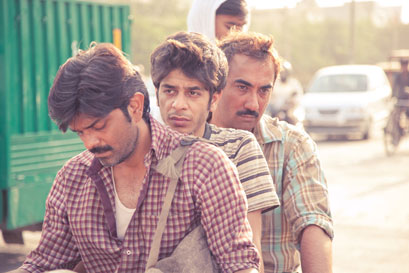
Produced by Dibakar Banerjee Productions and Yash Raj Films, Titli features Ranvir Shorey, Amit Sial and newcomer Shashank Arora in lead roles. And here’s the official synopsis of the film –
In the badlands of Delhi’s dystopic underbelly, Titli, the youngest member of a violent car-jacking brotherhood plots a desperate bid to escape the ‘family’ business.
His struggle to do so is countered at each stage by his indignant brothers, who finally try marrying him off to ‘settle’ him.
Titli, finds an unlikely ally in his new wife, caught though she is in her own web of warped reality and dysfunctional dreams. They form a strange, beneficial partnership, only to confront their inability to escape the bindings of their family roots. But is escape, the same as freedom?
Kanu is an almunus of SRFTI, worked with Dibakar Banerjee on Oye Lucky Lucky Oye, and co-wrote Love, Sex Aur Dhokha.
Vikramaditya Motwane’s Udaan and Ashim Ahluwalia’s Miss Lovely had premiered in the same section of Cannes.
And this is what Varun Grover wrote about the film in our year-end post –
The best Indian film I saw this year, and hopefully the whole of world will see soon, is Kanu Behl’s ‘Titli’. Seeing it on a desktop computer in IFFI, Goa’s ‘viewing room’ should be counted as an underwhelming, far from ideal setting, and still, this very dark very funny very depressing dastaavez on patriarchy BLEW ME AWAY like nothing this year. Stunning is the word. Breathless is another. Writing so sharp (Kanu Behl and Sharat Kataria co-wrote it) and performances so bang-on, not to mention excellent edgy-gritty cinematography (Siddharth Dewan), this is our best bet for world cinema honors next year.
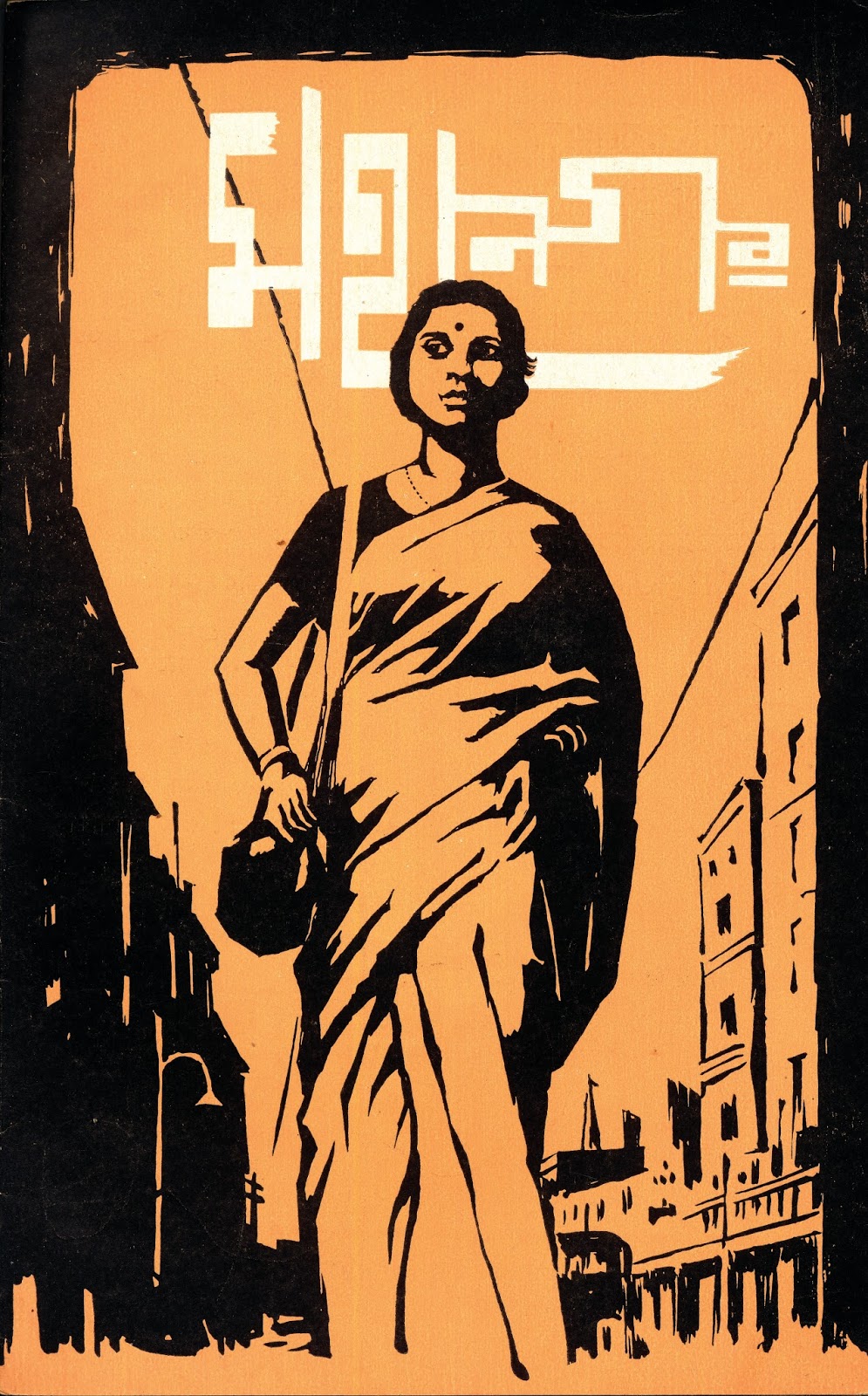
After releasing digitally restored classics like Jaane Bhi Do Yaaro, Salaam Bombay, Chashme Buddoor and Om Dar B Dar, PVR is releasing Satyajit Ray’s timeless classic Mahanagar (The Big City) on 18th April, 2014, under its PVR Director’s Rare banner.
The movie will release with English subtitles across Delhi, Mumbai, Kolkata Chennai, Bangalore, Pune and Ahmedabad. Mahanagar has been digitally restored by The RDB Organization under the leadership of Mr. Kamal Bansal.
Mahanagar was originally released in 1963 and Satyajit Ray won the Silver Bear at the 14th Berlin International Film Festival for it in 1964.
Whether you’ve seen it before or not, this is one unmissable big-screen event. Here are some good articles to bookmark and read on the this timeless and universal classic:
The film has been on our radar since its early buzz at Film Bazaar in Goa. And if our sources are to be believed, we are going to hear a lot about this film in the coming days. Keep watching this space.
As Yashraj Film revealed their slate for 2014, they have also given out the official synopsis of Titli –
In the badlands of Delhi’s dystopic underbelly, Titli, the youngest member of a violent car-jacking brotherhood plots a desperate bid to escape the ‘family’ business.
His struggle to do so is countered at each stage by his indignant brothers, who finally try marrying him off to ‘settle’ him.
Titli, finds an unlikely ally in his new wife, caught though she is in her own web of warped reality and dysfunctional dreams. They form a strange, beneficial partnership, only to confront their inability to escape the bindings of their family roots. But is escape, the same as freedom?
Starring Ranveer Shorey, Amit Sial and introducing Shashank Arora Directed by Kanu Behl and Produced by Dibakar Banerjee
– Earlier Varun Grover wrote about Titli in this post.
This post is by Salik Shah whose twitter bio says his location is Milky Way and he is addicted to speculative fiction. Once in a while, when he remembers us, he sends us a love note like this one. He also added this bit with the note – I use the first 600+ words to talk about ten thousand things related to filmmaking, before making the point that I haven’t ‘made’ a single film.
We love his blabbering. But if you get bored, scroll down a bit, please. Over to him.
ग्नि के काष्ठ
खोजती माँ,
बीनती नित्य सूखे डंठल
सूखी टहनी, रुखी डालें
घूमती सभ्यता के जंगल
वह मेरी माँ
खोजती अग्नि के अधिष्ठान
मुझमें दुविधा,
पर, माँ की आज्ञा से समिधा
एकत्र कर रहा हूँ
मैं हर टहनी में डंठल में
एक-एक स्वप्न देखता हुआ
पहचान रहा प्रत्येक
जतन से जमा रहा
टोकरी उठा, मैं चला जा रहा हूँ
टोकरी उठाना…चलन नहीं
वह फ़ैशन के विपरीत –
इसलिए निगाहें बचा-बचा
आड़े-तिरछे चलता हूँ मैं
संकुचित और भयभीत
After a screening of Pather Panchali at National Film Archive of India in early 2009, I told Satish Bahadur sir, “I love this film.”
“You’re a poet,” he replied.
I didn’t know what to say. How did he know my guilty secret? Bahadur sir was kind enough to lend me a book about the making of Apu trilogy and invited me to his house and taught me to break down films into scenes and scenes into shots—although I wouldn’t understand him fully or his gestures until many years later. I didn’t know at the time that he was the one who found the month-long refuge for film enthusiasts at FTII, Pune.
Two months ago, one of my poems was accepted by Strange Horizons—a top US speculative fiction magazine—for publication. Was it a great poem? I don’t know. My little brother with a greater appetite for science fiction fantasy liked it more than my other poems. I have had submitted a poem about Afzal Guru to Granta (UK) in early 2013 (they haven’t responded yet) and to Poetry magazine (US), which sent me an encouraging rejection letter. (I didn’t know Poetry doesn’t publish political work.)
Straw-fitted Elephants was my first sale to a literary magazine in twenty-six years. (Strange Horizons is a great platform for poets. Strange Horizons is probably doing more for speculative poetry than any other literary magazine in US.) I started writing poetry when I was twelve and discovered coding soon—and then fell in love with films, and shot and cut my first video on Youtube in 2007. There is a strange quality to the video—it’s dark, mysterious, simple and beautiful. Simple is not ‘easy.’ There is a lot more going on here in this weird music video than other hundred plus videos I have produced for the great Indian audience.
In 2010, I co-wrote and helped launch directorial career of a friend (he is now making his third feature). I helped him set up his office, participated in meeting with producers and then moved on to lead Tata Tea’s Jaago Re! campaign. I sold a lot of tea, and helped Tata Tea establish its earliest digital footprint on social media—perhaps a first by Webchutney, now and then ranked as India’s No 1 digital agency.
In 2011, I was on the set of Ra. One with a camera in hand, following its making. I cut many videos for a popular entertainment portal and saw the business side of videos more closely than ever before. We would receive tapes from film and celebrity events, night after night, and I would write short two-to-five minute scripts, direct the motion graphic artist and oversee the editing. Once in a while, I couldn’t resist getting my hands dirty—in order to produce a new special effect or change the pace or tone of the videos, which would then litter the Internet.
In 2012, I wanted to join my friends and colleagues to receive an award for Why This Kolaveri Di!, but the road journey the previous night was nauseating and kept me confined to bed during GoaFest. (As an adman, I was writing copy for five prominent brands every day at one point, and coding for websites and Facebook apps—before Jack in the Box Worldwide got its new recruits: business managers, content writers, web developers, creative directors and project managers.)
In late 2013, I was commissioned to write a festival film for a FTII veteran by a film enthusiast and architect—a talented but troubled friend with training from IFS, Paris and Whistling Woods. In 2014, a filmmaker with two Bollywood features behind him, got in touch with me to understand digital platform and develop a business model for his next film.
I have already spent 600+ words and I could go on and on about how I have done ten thousand things related to filmmaking, but I haven’t ‘made’ a single film.
Poetry is a lifestyle, like filmmaking. I never submitted any poems—speculative or not—until the hanging of Afzal Guru tormented my soul. It isn’t easy for me to write. Poetry is pain—I can’t use words to hide. I like my poems bare—I love Gu Cheng and Li-Young Lee. (Last week, I got in touch with Neel of Tadpole to expand/adapt one of my short science fiction stories to theater. In case you are wondering what is speculative fiction, see Shlok Sharma’s Tubelight Ka Chand. Yes, it could be that simple.)
“A film is never really good unless the camera is an eye in the head of a poet.”—Orson Welles
Is Anurag Kashyap a poet?
Is Vikramaditya Motwane a poet?
What about Shlok Sharma?
What about Vasan Bala?
When you look at their movies, you can tell the difference between their films—or poetry.
Randeep Hooda in Highway is a poetry-in-motion by Imtiaz Ali—even though the film fails (according to one friend). There is a thin line between masterwork and mediocrity.
The Indian cinema is changing, and though I don’t get time to watch as many films these days, I can tell you films like Kai Po Che! and Chillar Party are like beacons of light—poetry—for a generation growing up with short films, advertisements and pirated movies. (I saw both films at multiplexes—Kai Po Che! in Dilli and Chillar Party in Calcutta.)
I was attending a two-day seminar or something at NFAI with Atharva Gupta, and somebody asked Motwane about the “Indianness” of our films. I don’t remember what he said exactly right now (it was so many years ago), but he said that our films could remain Indian without being “touristy.”
I agree with him, though his next film upset me. It was an unfinished work—like most poems—a flawed ‘masterpiece.’
Are you into audiobooks? Or BBC podcasts?What could audio teach Indian filmmakers, poets and writers? Listen to the BBC podcast of Anton Chekhov’s The Seagull, or RTÉ’s Ulysses, or several master short stories here onThe Guardian.
Why should films be epic long? Why not make short poetry?
Have you ever wondered why Indian publications don’t even send a rejection slip?
Are you into science fiction—and feel let down by Hollywood sci-fi movies?
Have you ever wondered why we can’t make independent science fiction films like District 9, Moon, Upstream Color or Monsters?
Are you a writer-director in love with Wes Anderson?
Why can’t we teach cinema to children?
It is difficult to be a science fiction fan and not get disappointed by sci-fi movies that rely on usual tropes, clichéd plots and mindless action. For every I, Robot, there is probably ten After Earths.
These days, a good sci-fi film is tough to make, hard to find, and come in short length online. The teams behind these short sci-fi films might lack budget, stars and time, but they make up for it with their creative talents. If you have a huge appetite for good science fiction films but can’t seem to find enough of them, you are in for a treat!
I am aware that for some of you this might be a totally new experience—like it was for me.
The operating principle behind the following selection was: Gravity is good, but Moon is better.
#10 Alive in Joburg (2006)
Yes, Neill Blomkamp’s Alive in Joburg is still one of the best sci-fi shorts of all time. The unique premise and documentary-style presentation of the movie has already become a part of film history.
Based on Alive in Joburg, Neill Blomkamp made District 9–the cult sci-fi commentary on the state of human societies around the world. The poverty of aliens was an unexplored theme for me until District 9. But its follow up, Elysium, was a total let down. The distinction between the poor and rich is never so simple. Nevertheless, Joburg is as relevant to the world right now as it was back in 2006.
Witness the birth of a cult. 6 minutes.
#9 Robots of Brixton (2011)
Kibwe Tabares’ Robots of Brixton paints a grim picture of humanity. The student film blurs the line between people and robots, and then goes on to effectively replace reduce us to the status of the robots. There is no God here and certainly no people.
Violence is a meditation on the nature of humanity, and perhaps the existence of God. That’s why riots and rebellions make a constant fixture in sci-fi films. Can machines feel guilt or have conscience? (Joshua Oppenheime’s The Act of Killing might provide an answer.)
Robots of Brixton is an abstract encounter with the mob. 5 minutes.
# 8 From the Future With Love (2013)
Science fiction is often an exaggerated expression of the reality, or the speculation about the fantastic. K-Michel Parandi’s short is a fast-paced sci-fi thriller set in a world where private cops sell protection plans in New York.
From the Future With Love holds a mirror to our society in 12 minutes.
#7 Lifeline (2010)
Andreas Salaff’s Lifeline is a film from the mind, for the heart, and with a soul! This award-winning student film can teach filmmakers a trick or two about the nature of simplicity and intimacy.
An old man keeps searching through various dimensions of time and space for his lost beloved. Can he turn back the wheel of time? Yes, but there is a price.
This is Wong Kar-wai’s In the Mood for Love in 6 minutes.
# 6 Memorize (2012)
Imagine a world where everyone is forced to wear a Google Glass and record everything they do. Sound horrible, right? Two childhood friends, Eric Ramberg and Jimmy Eriksson, took the idea one step ahead to come up with a stylish action film.
In Memorize, every person is implanted with a chip that records everything. But of course, it cannot deter techno-savvy criminals from committing crimes. Rest assured, Agent 007 will never be out of job!
Memorize is fun because it doesn’t pretend to take itself seriously. 7 minutes.
# 5 Grounded (2012)
An astronaut can’t escape the loop of a crash in a strange planet. Grounded is a beautiful piece of filmmaking even if you don’t consider the nerdy intentions of the superb director.
Kevin Margo said he wanted to tackle “themes of aging, inheritance, paternal approval, cyclic trajectories, and behaviors passed on through generations… against an ethereal backdrop.”
Grounded is a short metaphor, which captures the essence of films like Stanley Kubric’s 2001 Odyssey, Andrei Tarkovksy’s Stalker and Terrence Malick’s Tree of Life.
It is a speculative poem on the film. 8 minutes.
# 4 The Final Moments of Carl Brant (2013)
Duncan Jones’ Source Code starts to look like a cliché after you watch Matthew Wilson’s The Final Moments of Carl Brant, loosely based on The Singularity is Near by author Ray Kurzweilwhich.
When Carl Brant is killed, his memory stored on a hard drive is summoned to help solve the murder case. This one is probably the longest short film in this list but I’m sure no one is complaining.
Do machines have souls? You have 16 minutes to find out.
#3 Cargo (2013)
What is science if not the ability to think, rationalize and come up with creative solutions for difficult problems?
Cargo directors Ben Howling and Yolanda Ramke have found a novel way to turn the cliché-plagued zombie genre into a visual treat. Finally, a zombie film which breathes fresh life to the genre of the living dead.
Cargo is a hi-res definition of fatherhood in 7 minutes.
#2 The Flying Man (2013)
Forget Zack Synder’s realistic Man of Steel. Watch the super-realistic Marcus Alqueres’ The Flying Man. While Man of Steel was tedious at times, there is never a dull moment in The Flying Man. It keeps you hooked right from the beginning.
Shot in eyewitness video style, The Flying Man makes us want to believe in the possibility of the premise and the existence of a superhero. I think Alan Moore was the last person who pulled it off so convincingly in the first few pages of Watchmen.
Marcus Alqueres has worked in Hollywood blockbusters like 300 and Source Code, while his partner João Sita has movies like Avatar and Twilight on his belt.
The Flying Man is 9 minutes of cosmic orgasm!
#1 R’ha (2013)
R’ha could be for Kaleb Lechowski what Alive in Joburg was for Neill Blomkamp: the short film that launched his Hollywood career, a wild ticket to his dream run.
In R’ha, we see something totally unexpected: aliens vs machines. Kaleb takes the usual tropes of science fictionfantasy and turns them into a groundbreaking film.
It’s hard to believe that he’s just a 22-year-old German bloke studying digital film design when you watch this epic short film.
R’ha is 6 minutes of youthful, confident and unrestrained tour de force.


 Sundance Institute has announced the 13 projects which have been selected for Screenwriters and Directors Lab. Set at the Sundance Resort in Utah, the Directors Lab will run from May 26 to June 19 and the Screenwriters’ Lab will run from June 21-26. Vasan Bala’s new script Side Hero has been selected for the Screenwriters Lab.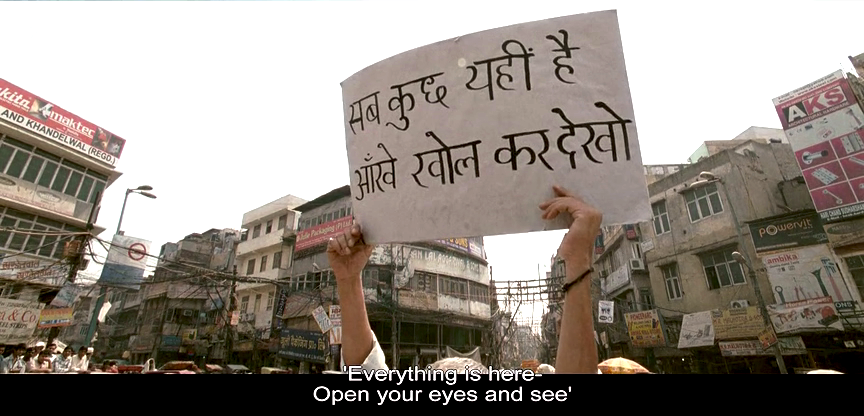





 F.i.g.h.t C.l.u.b