Archive for the ‘music’ Category

Coke Studio

Over to our MusicMan Rohwit for some saturday musings.

After a near disastrous season 1 and an ‘almost’ salvaging Season 2, Coke Studio At MTV is back with Season 3. This time the season boasts of big names like A R Rahman, Papon and Amit Trivedi. Other musicians include the very talented Ram Sampath, Salim- Sulaiman, Hitesh Sonik and Clinton Cerejo.

We all know that big names do not cut much if they aren’t used well. Still, below is what we know for sure.

7 episodes with one composer each, out of which 6 episodes have 6 songs and 1 episode has 5.

Last episode with 6 different producers/bands putting up one song each.

47 songs in the season.

No composer gets repeated across episodes.

Some vocalists get repeat episodes including Kailash Kher (please innovate this time?) and Vijay Prakash who feature as singers on more than one episode.

Some musicians of the band including (but not limited to) Warren, Rushad, Jarvis, Darshan, Lindsay, Sanjoy Das and Tapas get featured in more than one episode.

Even the website this time round has a complete feel to it and that’s a good thing.

http://www.cokestudioindia.com

We don’t know the full details of who all will collaborate with Amit Trivedi and AR Rahman. The  ‘Zariya’ video with Ani Choying Drolma and Farah Siraj was just splendid to say the least! The arrangement, the fusion and the  overall presentation didn’t lack anything.No one was posing for the camera and the lights weren’t distracting at all. Gushfest allegations aside, my heart raced at around 6:32 minutes when Farah air-removes the evil eye on A R Rahman to which he smiles.

It would be exciting to see the collaboration and presentation this season because the buzz has gone into almost an overkill with too many youtube ‘session videos’ around. Amidst all the names, what intrigues (and quite frankly scares us a little bit) is the inclusion of Salim-Sulaiman and it is not because of the composers, it is because of the bollywood fest the season 1 turned out to be. We certainly aren’t looking at a long session of ‘Shukran allah’ from the composers and hope they are aware of it. We love everything about the folk that is Rajasthani and Punjabi. Still, there is much more left to be explored (even within Rajasthani and Punjabi) and may be they will present it to us.

There isn’t just one way to present ‘fusion’. While our neighbours have raised the bar very high in a quiet and understated manner, we hope that season 3 gives us a little more of music and a little less ‘hype’ around the names. Showcasing talent from across the regions and that too melodiously, is what Coke Studio is all about and if after the end of Coke Studio India season 3, we remember fondly at least 7 new singers and some genres that we were unaware of previously (Thanks to excessive bollywood-ized in-take of music), we think the job of musically erasing season 1 completely from our minds would have been accomplished.

Trivia – Last year, in this interview, Rohail Hyatt (the creator of Coke Studio Pakistan) hinted at a joint presentation of India-Pakistan artists in a Coke Studio India Session. Whatever happened to that?

Still. NO. FREE. DOWNLOADS.

WHY?

So what are your expectations from this season of desi Coke Studio?

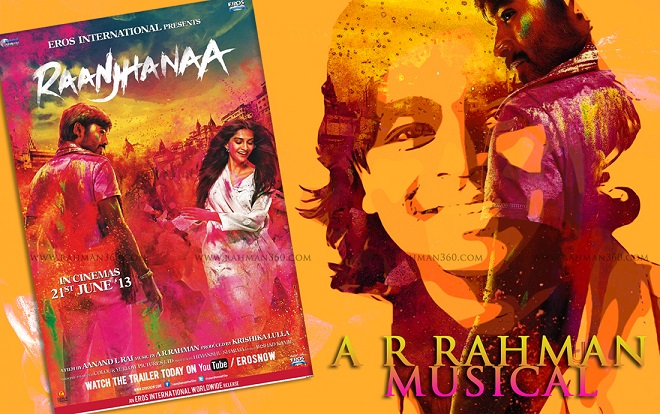
raanjhanaa_rahman360_Arrahman

After a long wait, it’s finally out – the music of Raanjhanaa. But seems the wait was worth it. Do check out the music of Raanjhanaa. Rahman is back and how. Over to @Rohwit for its music review.

  • Raanjhanaa hua – The ever so melodious (yet not as popular as I would like him to be) Jaswinder Singh starts the song and vanishes too quickly. Anyway, the song belongs to ‘at times out of sync Shiraz Uppal’ and that’s what you will love the song for. It just doesn’t try to ‘fit in with calculated singing’. The percussion arrangement – top class, the use of Sitar – exemplary. In fact, when the song ends, the sitar doesn’t leave your mind. Go ahead, try it! A racy tune marked with excellent violins (which literally take the song to it’s peak every time they appear), the song is top class! Watch out for the faint guitar riffs throughout!

  • Banarasiya – Like the name indicates, a song that ought to remind us of Benaras. Starts quite rightly with Sarangi and flute (aided with the mandatory manjiras). Tune wise crisp, singing wise excellent, Shreya Ghoshal’s vocals! Sitar, Tabla and flute do their bit to raise the level of the song. The playful backup vocals by the hugely talented Meenal Jain and Anwesha add the right amount of playfulness and mischief to the song and you can picture the dancers in a group, exchanging glances and moving the neck and eyes in sync.The atmosphere is very ‘evening’ and the setting reminds us of the ‘Kotha’ culture.

  • Piya Milengey – The song that begins with KMMC sufi ensemble going at it along with Sukhwinder is endowed with definitive bass and faint piano notes towards the beginning part of the song. The ensemble does an excellent job without getting loud at all. A song that is likely to appear in the background as the film paces up. Thankfully a bollywood – sufi offering that leaves an impact and not screaming singers in the mind as it ends.

  • Aye Sakhi – A song that has the most delightful and talented singers around. Madhushree, Chinmayi, Vaishali and Aanchal sethi come up with a song that’s treated with sheer brilliance and arranged classically (and gives out a feel that the singers are practising kathak). In fact, the music and the feel around the ‘aye sakhi uljhan’ reminded us of ‘Jao rey jogi tum jao rey’ (from Amrapali). The ‘Tyun tyun tyun’ bit in between reminded us of the Tain tain tain song from Gangs Of Wasseypur. Still so enjoyable! The song has an element of ‘Kya dekh rahey ho tum’ from Taal in terms of feel but is vastly different tune wise. Thumbs up!

  • Nazar Laaye – With lazy guitars, simple beats and Rashid Ali who is almost sleep-singing along with Neeti Mohan, the first impression of the song is ‘JTYJN-hangover!’ A typical song that gets skipped most of the times but stays in the playlist nevertheless.

  • Tu Mun Shudi – A lot has been written and propagated about Hazrat Amir Khusro’s Persian words around which the song is created, so we won’t go there. (By the way, Tu = you, mun = mine, shudi = became, Muntu = me yours, shudam = have become). The techno start to the song with superlative A R Rahman setting the tone of the song welcomes Rabbi (No no, not the Rabbi who sang Challa, this one sings better!). The use of shehnai in the song is top class. The way it flirts with the beats, we never thought it can, and all this with a constant hip-hop like beat. There is always that song in an ARR album that evokes extreme reaction (apart from other songs which are tagged in ‘Give it time and they will grow’ category). This one belongs to the ‘extreme reaction’ category. People will either like it or completely dislike it. We? LOVED it! ARR at his innovative best (with his characteristic giggle!)

  • Aise na Dekho – A bonfire song. Starts with a frolicky mouth organ up and about with guitars. Yet another ‘JTYJN-hangover’ infected song, one might argue. Sung by ARR himself, the song scores low on words and the way they are pronounced (May be intentional?). Still the music arrangement is soothing. The whistling in between is simple and adds charm to the tune. Will I hear it again? Not now.

  • The land of shiva – Heavy chants with heavier music setting and bells marks this piece and before you realise what is happening, it gets over. With a little over 1 minute running time, the tune is clearly added to compliment the overall feel of the album and is surely going to appear in the film.

  • Tum Tak – May be it is Javed Ali who melts with the musical arrangement (The other way of looking it could be – his voice doesn’t stand out), the song is likeable only because of it’s music arrangement. The construct is too confusing, singing wise. Too many ‘Tum taks’ are irritating to say the least. The sudden change in the song on the other side of 3 minutes is bearable vocally. Kirthi and Pooja are efficient in the song. What lessens the impact of average singing is the excellent use of Manjeera and shehnai.

AR Rahman somewhere mentioned that the use of shehnai in this album is a tribute to Ustad Bismillah khan.

What we liked the most about the album is that it gives out sense of the film without being vague. The lyrics by Irshad Kamil are largely effective.

The variation that we hear in terms of tune selection and treatment is vast, the music arrangement as usual top drawer! The album exudes a lot of confidence and the feeling of ‘durability’ oozes in good measure.

Just when the promos were looking an ordinary, it is unbelievable what a brilliant music album can change it all. Now only if the film is good enough to hold it all together.

Correction for Tu man shudi explanation – Tu man shodi” means You became me and “Man tu shodam” means “I became you” not “yours”. “Man” means “I” not “mine”. “I became yours” is “Man maal-e-to shodam”. Thank you for correcting it everyone

the-reluctant-fundamentalist-posterThe latest offering by Mira Nair features various artists and the album has as many as 14 tracks.

The album starts with Kangna, a traditional qawaali performed wonderfully by Fareed Ayaz and Abu Muhammad. The accentuated bass towards the end remind us that this is for a Film and not performed for anything else. Although the duo have sung this song for Coke Studio Pakistan as well where the duration was in excess of 10 mins, this one ends in less than 6 minutes, melodious nonetheless.

Bijli aaye ya na aaye features the otherwise serious Meesha Shafi. Severely let down on the lyrics the song survives because of the lovely throw that Meesha demonstrates. Peppy. The lyrics are so bad that they actually redefine the word ‘random’. However, this for sure will be closely walking with the narrative, of which I am sure.

Kaindey ney sung by Zahara Khan is up next. Performed with just a guitar and Sarod by the side for most part, Zahara appears slightly out of sync at times in this average song.

Ali Sethi hums Dil jalaney ki baat kartey ho extremely well and leaves you wanting for more because the track is barely 2 mins long.

Atif Aslam croons Mori araj suno and even though he tries very hard, thanks to the varied versions of this ageless composition that we have come across, this track falls short. But it does sound very theatrical.

Measure of me by Amy Ray is the best song of the album. Slow, melancholic and very high on melody. The arrangement is so simple that you might even ignore it. The backup vocal arrangement is brilliant as well.

A young man has to take a stand performed by Michael Andrews is a track filled with a lot of tension thanks to the eerie arrangement and loads of violins used. Ends quickly echoing the tension in the head.

Jannissary again performed by Michael is a slow piano piece with continuous violins. Somehow reminded me of 1947 The earth, this piece. Nicely done.

Something happened – Bass and a lot of bass instills anticipation in what appears to be an anxious track. A track that is very rich on sounds. Faintly heard someone sharpening knife, someone running through a door and then it all descends to a pause. One of the best instrumental pieces in a long time. Highly recommended.

God bless America A very short track comprising of crowds cheering and a continuous beat that eventually fades out far too quickly.

Love in Urdu by Rizzle kicks is a delicately arranged all instrumental piece peppered with subtle Sarod and guitar. Not as beautiful as love in Urdu would be but a soothing and simple track.

Focus on fundamentals paints a picture of tension, yet again. Aided in just right measure with violins and a dying bass line throughout. Eerie. Tensed. Dark.

Get us both killed has got a very dark tone throughout. The riffs remind you of a particular O.S.T. Which shall not be named here. :) the tempo steadily rises but never peaks and that’s quite eerie.
Too much blood has poured into this river With near absent vocals, this track keeps the dark undertone of the album alive. Aided by flute, the overall grave atmosphere gets a touch of sadness. The almost silent alaap is a touch of class in this track.

With Mira Nair, we are sure that the music will be totally circumstantial and compliment the feel of the film. The Reluctant Fundamentalist is no different. Will I hear it as much as the O.S.T. Of ‘The Namesake’? Well, No. The reason is simple. This O.S.T. stays so closely hugged to the film’s feel that you slip into sadness with some of the tracks of this film.

2 Thumbs up! If you are an O.S.T. Collector, do not miss this at any cost!

@Rohwit

(Ed note : For more music reviews by Rohwit, you can check his blog here)

If you are also are in love with the latest Coca Cola jingle, here’s something just for fun. That crazy jingle has five different versions composed and sung by five different composers. Click play and enjoy.

Amit Trivedi

Hitesh Sonik

Clinton Cerejo

Shankar, Ehsaan and Loy

Papon

And once you have heard all the five versions, do vote for your favourite one. You can vote for more than one.

Tip – @beastOftrall

When we put out the post on Lootera’s first teaser, i wrote that “close your eyes and watch the teaser again – i think it’s the music.” Well, none of us had any clue that it will turn out to be KLPD.

Why?

Play both the tracks back to back and decide for yourself.

So? Who is the culprit? Who has done the background score? Or have they taken the rights? Can anyone please connect the dots?

Tip – Prosit

(PS – Something similar had happened when Udaan’s trailer came out. The text was plagiarised from the trailer of Where The Wild Things Are and we had mentioned in our post.)

We continue our “Rewind 2012” series with a music post this time. To read our previous post in the series, click here (Coming of age for desi indies – Miss Lovely and Ship Of Theseus), here (So what happened to Agent Vinod? Part 2. Now read the script), here (What kind of bird are YOU?) and here (A for Allah duhayee hai, B for Bakchodi, C for Chutiyapa).

And if you are regular reader of the blog, you probably know that if it’s music, it’s over to Rohit. The only rule we followed here is “NO BOLLYWOOD” because there is nothing left to explore there as we have heard everything possible that Bollywood had to offer in terms of music. So over to Rohit and see if you have heard these gems. If not, do check out all the audio/video links and let us know what gem you discovered this year.

_6793580_orig-1

So its another ‘top this’ ‘2012 that’ post. Yes, you are right. This year though, we have tried to move out of our shell and yet stay there. Confused? So were we, so we decided to look around for music that hasn’t been tweeted much, shared much and made much noise on the otherwise ‘forever active’ social networks/forums.

1. Faran Ensemble, the band – is a 3 player group who got together and are exploring music via some of the best teachers around the world. With a distinct Arabic sound, the group plays mostly instrumental music. We are putting a link to one of their music presentations titled ‘Dune’ (click on the link, go to youtube page and click “show more” under “About” section)

Faran, is a dry desert wadi, which fills with water and life only in rainy winters; and in the hot season, otherwise silent. It crosses Israel on its way from Sinai, ignoring all borders. More on the group on the link. Explore and you shall not be disappointed. For their FB page, click here.

2. Safar, the band – Their single ‘Khoye hain’ came out earlier this year. Granted, the video was a little too cute but the song is light and easy on ears. We would ideally like to listen more from them. Their webpage has been surprisingly static since months (this in spite of the fact that they have got over 90,000 youtube hits since April 2012 which is a big deal!). Click on the play button and check out the song/video. You can visit their home page here. Go check!

3. Thumri Funk, the album – Pandit Ajay Pohankar and Abhijit Pohankar might not have given us the ‘pia bavri’ again but with this album, they gave a contemporary touch to Thumris. A delightfully innovative album to bring thumris to the masses. The album sadly wasn’t publicised much (but can be bought for a mere INR 63 from Flipkart, you can play the sample audio tracks also), features good tracks all around, our special picks remain – Ab ke sawan ghar aaja (that’s a mix of 2 thumris in one), Ras ke bhare torey nain, Yaad pia ki aaye and Balamwa tum kya jaano.

4. Tera Bayaan Ghalib, the album – Taking the trademarked and owned style of recitation along with some intelligent use of ghazals/songs, Gulzar saab presented this gem to us. Those familiar with his book (Mirza Ghalib by Gulzar) and the T.V. Serial would quickly identify with the text of this presentation (in which Gulzar saab recites some letters posing as Ghalib) and for the others, it’s a fantastic peep into the life and times of Ghalib and India. The album is put here only because of the fact that this genre has been revived by Gulzar sahab this year and we are hoping some more albums like these are on their way to our iPods/Music players.

5. Chakwal Group, Pakistan – Gifted to us by Coke Studio Pakistan (Season 5) and hailing from Chakwal, Pakistan, this is typically a 16 member group that stands and sings to a single dhol almost every time. Powerful poetry and excellent rendition is their trademark. Be it collaborating with the wonderful Meesha shafi or Bohemia, he group stood it’s ground effortlessly. A treat to hear 16 men singing and emoting so well without missing out a single beat. (Hear the Kandyaari Dhol Geet and you will know what we mean) Thank God for music, really! Can’t wait to hear more from them in the coming years.

6. Mauje Naina, the song – performed by Bianca Gomes, Shadab and Altamash and was featured in the BIG BANG season 2 Episode 1 of the cokestudio India version that was orchestrated by Clinton Cerejo. The song deserves a mention because it marries the mood so dangerously! A song about a man who is pulled by the dark yet tempting persona of the ‘other lady’. For us, this was the song of the year for Coke Studio India (Yes, including Amit trivedi’s excellent episode, but then no points to Amit Trivedi because his second name is excellence anyway!). What mood! A song that scares you, literally.

7. Neray Aah, the song – Performed by the wonderful Rachel Viccaji & Farhad Humayun, this song (Via CokeStudio Pakistan, Season 5) is a case study on how to ‘reinvent’ a filmy song to the fusion/new age setting. The original song is here  that was launched in 1998 and this version by Rachel and Farhad is embed here  – Do we remember any filmy songs being ‘adapted’ by Coke Studio India so well? We give up. Oh wait! We remember the near disgusting ‘Jugni ji’ that Cocktail ‘borrowed’ from Coke Studio (Without Meesha Shafi) and how bad it fell on our ears. Case. Study. This. Discovery? HELL YEAH!

8. Somrass, the album – Remember Pankaj Awasthi? Remember khuda ka wasta? Remember ‘Tera hee karam’? Blessed with a powerful voice, Pankaj doesn’t stop at that. Experimenting with jazz, electronica, Sant Kabir, poetry recitation, old Hindu mantras and so much more, he gives us arguably the BEST Indi-pop album of the year. Surprisingly, Times Music decided to leave the music album on Flipkart and may be a music shop or two. Do check it out!

9. Thagni, the album – Launched by SaReGaMa, Shreyas and Abhas gave a beautiful twist to age old poems/bhajans by Sant Kabir and Kamali. The album takes a fresh look at bhajans like ‘Udd jayega hans akela’, ‘jheeni re’ and ‘Moko kahan dhundhey re bandey’ among others. Superlative strings and percussions coupled with soothing singing style of the duo, this album, we feel needs to be heard and publicised. Not surprisingly, the album hasn’t been publicised much. Flipkart Link.

10. Reidi Gul, the song – showcased first by Ufone (Pakistan) in their reality show, Yasir & Jawad Khan were eventually asked to make a music video of this beautiful pashto poem by Abdul Ghani Khan saab. The tune is typically pashto but the affectionate style of singing and a clever tune of the song stays with you for a long time. We discovered it earlier this year, hence this features in the list. Here is the entire episode (11 minutes, including the song)  We hope Yasir and Jawad come back with many more gems!

BiggerLOGO

Light play, clever shooting angels, or whatever people might be waiting for, when Vishal Bhardwaj announces a film, there is a breed of people that waits for the music of his film because even if it is ‘7 Khoon maaf’-ish, the music album comes packed with a lot of ‘Gulzar Goodies’. Save for the mess that the music release of the film created, we really can’t complain much because as someone wise once remarked ‘If it’s worth the wait, then shut up!’

1. Matru Ki Bijlee Ka Mandola – Sukhwinder…O Sukhwinder! You have done so much on the same lines already, yet you make it sound all so easy and peppy! Excellently arranged and marvellously penned, the song gives a lesson or two to some ill-fated idiots who think in order to sound catchy (and in order to use the name of the film in a song) they have to have an ‘item’ to endorse it. The splendid African weaving in between (with a continuous guitar note in the background) gives the song a certain amount of class that is always missing when it comes to halkat sheilas who are talking about munnis all the time. The bass effect that ‘stops and starts’ gives just the adequate thump to the song. 2 Thumbs up!

2. Khamakha – Beautiful ‘evening’ guitars, accompanied by a coral like backup group (with African lyrics?), excellent bass and, and, and Vishal Bhardwaj! Sung like a madly in love ‘aashiq’, this is easily one of the best arranged songs by Vishal ever. The simple yet never so beautifully expressed habits of those in love (sleeping by the window, for example) are a forte of Gulzarsaab. What amazes simple listeners like us is his ability to convey love every time in the simplest manner without EVER repeating words. Anyway, the end of the song, the last 1 minute and 14 seconds of the song, tell us why there is an ever-growing army of hopeless romantics who wait for a Vishal Bhardwaj music album. The song is pregnant with a range of varied emotions that haven’t been explored before. The note on which the song starts and the note on which ends will tell you exactly what we are talking about. 3 Thumbs up!

3. Oye Boy Charlie – ‘Singerwala Shankar Mahadevan’ starts the song and the song shoots higher thanks to Rekha Bhardwaj and Mohit Chauhan. There is a bit of saxophone and then there is a bit of nasal Shankar Mahadevan (that is just too good!) and then there is a good amount of ‘motorwala mouth organ’ in between along with good guitar. ‘Vishal purists’ might not like the song much because there is an element of cacophony in between, where you feel VB is trying too hard to arrest your attention by throwing in too many elements altogether. There are way too many elements that I missed in the first hearing. It is a fun song with an element of ‘Jhoom Barabar Jhoom’ and ‘Kajra re’ and ‘Satrangi re’ and some comedy and this and that!

4. Lootnewaley – Sukhwinder and Master Saleem start the song. If you play the song with the ‘Awara’ expectation from Master Saleem, you will be a tad disappointed. Sukhwinder emotes better than Saleem to convey the anger. The track is serious. The words are direct and effective. Clearly, a revolution is being hinted. At times chaotic (which may be intentional), the song won’t set music charts on fire. You might argue that any other set of singers could have done the same job as Sukhwinder or Master Saleem have done. The fantastic possibility that these two names promised is clearly missing. How we wish they were exploited better!

5. Sha ra ra – Prem Dehati starts the song again with the typical mela like music arrangement. The brass bands sing along with the singer to elevate the effect of the song. A very short track that begins and ends leaving the brass bands in your mind.

6. Badal Uthiya – The track starts beautifully with Prem Dehati echoing at a distance and then the music setting takes a completely contemporary turn with generous dose of sitar in between. Rekha Bhardwaj does a splendid job (What’s new?) with this track and even though the Prem Dehati version of the song is my favorite, this track can’t be sidelined at all. Rekha Bhardwaj in her typical ‘soul drugged with romance’ voice makes it very hummable.

7. Char dina ki – A Haryanvi kickass item that just elevates the level of the album and how! Excessive usage of brass bands and some real catchy lyrics ensure that it has a very roadside feel. The beginning of this track has shades of ‘chicha leather‘ from Gangs of Wasseypur. Pankaj Kapur, Prem Dehati and Imran Khan go behind the microphone for this and clearly Mr. Kapoor is having fun like only he can. Excellent track! (Mind it – ‘Char dina ki chamak chandni’ will linger in your head…shart laga lo tau!)

8. Chor Police – A fun recitation by Pankaj Kapur with heavy dose of political wrongdoings that the elected government has been committing. Ends with a splash! Back up vocals, brass band and excellent tempo ‘waali’ claps is what make this track up…good one!

9. Nomvula – African track it may be, but this composition has fun written all over it. If you aren’t one of the ‘I don’t understand the words so I won’t automatically like the song’, then you will like it. A very ‘by the beach with beers’ feel. Really what’s music got to do with language?

10. Badal uthiya (Reprise) – There are few good souls that are trying their best to give the masses a taste of the sheer variety that Hindustani classical offers. This song is an addition to that effort. Prem Dehati accompanied with excellent sitar and a contemporary music arrangement hold your soul hostage. The words, the pronunciation of the same, the stillness, the sadness, everything has traces of God particle in it. If you didn’t know, God particle is generally defined as a song/composition that has mastery of Gulzar saab and Vishal Bhardwaj in it.

11. Lootnewaaley (Reprise) – A strong vocal demonstration against the shrewd landlords, Sukhwinder leads the backup singers in what sounds like a ‘lagaan-like’ track, feel wise. Word rich and music light. The track is clearly banking a lot on the visuals. It isn’t musically as structured as the other version. Clearly a circumstantial song.

Including the recitations and other titbits is the new ‘in’ thing for Hindi film O.S.T these days. Strictly ‘song-wise’ speaking, Khamakha, Badal Uthiya (both versions but Prem Dehati version), title song and Oye Boy Charlie are the ones that will remain with us and that’s a lot of them! We missed the mandatory ‘Have Vishal, so Suresh Wadkar will sing’ song.

An album that benefits (like all of us!) with the presence of Gulzar saab and showcases the obvious abilities of Vishal Bhardwaj, the composer. Also, those having silly doubts on Gulzar saab (Ref: JTHJ) have gone missing and how! ख़ामाखा का doubt, वो भी अल्लाह पे? हट पगले!

Post by @Rohwit (who is currently देहाती.)

Film critic turned filmmaker Sudhish Kamath is planning his next film. And he is trying something new with this one. He has put out the script of his film along with the instrumental theme track on his blog even before he has started shooting. Why and how? Over to him.

EK NAYI DUNIYA / APOTHEOSIS

The END is here.

In an ideal world, I would have had enough money to have shot and released my new film called Ek Nayi Duniya/Apotheosis today. But for now, I would like to share the script and the instrumental theme composed by Sudeep Swaroop with supporters of independent cinema in the hope that some of you like it and spread the word.

By the time the film is ready for release next year, you will know if you want to watch it or save your money.

After Good Night | Good Morning, I wanted to do a film at the opposite end of the spectrum.

If GNGM was new age romance in an old-world setting, I wanted to deal with an old-world arrangement in a futuristic setting.

If GNGM was conversational, I wanted to make a film that was largely atmospheric.

If GNGM was claustrophobic, I wanted to make one on a huge canvas and a lot of space.

If GNGM was shot indoors in an air-conditioned studio, END will be shot in the middle of the Indian Ocean during the monsoon mid 2013.

Why am I then putting the script out?

Could someone steal it?

Sure. They are most welcome to. Only that I am 100 per cent certain that they wouldn’t dare.

Besides, I have taken care of the legalities to protect myself in the unlikely event that someone figures a way out to monetise this script without really making the film. But if you want to go ahead and make the film, please go ahead. I promise I won’t sue…as long as you credit and pay me, of course.

But I am certain that wouldn’t happen. Because nobody wants to invest money on anything without a precedent.

I am pretty sure that nobody would have made Good Night Good Morning even if I had put the script out before making it. Nobody would have thought it was possible to make a feature with two people on the phone for its entire duration. But it worked. I couldn’t have asked for a better launch as a filmmaker.

EK NAYI DUNIYA (Apotheosis is the English working title) is a modern day Adam and Eve relationship drama that plays out like a science fiction psychological thriller.

Like Good Night | Good Morning, I have tried to keep things simple: a two-character film once again. Something I can shoot in three weeks even in the most difficult of conditions. As an independent filmmaker who really likes his day job (I’m a film critic), I don’t want to make films that take too much time to shoot. But I compensate by spending months writing the film.

We have been writing this since mid-March.

END didn’t start out as a science fiction film. But today, it’s just impossible to even imagine it as any other genre.

I started writing this as a simple film about a couple on honeymoon dealing with the pangs of arranged marriage – as an antithesis to Woh Saat Din or Hum Dil De Chuke Sanam.

We did a lot of research, got over a 100 respondents for a sex survey to figure out what happens during the honeymoon in an arranged marriage set-up. It seemed like India’s best-kept secret.

But after the first draft, I felt I was exploring a few relationship issues that I had already covered in GNGM. Besides, I felt claustrophobic…every morning, the couple would wake up on the same bed during their honeymoon!

One of the exercises I used to make students do when I was teaching screenwriting was to make them rewrite the logline as different genres, just to check if they had indeed chosen the best genre to tell the story. It helps to practice what you preach. We hit a goldmine when we transported the idea of an incompatible odd couple into science fiction.

To cut a long prologue short, take a look at what the film/script tries to do and a brief synopsis below.

If you like it, maybe you want to give the script a read. It’s an early draft and the script is likely to change a lot more in the next six months. So if you have any ideas, criticism or any words of appreciation… or better still, MONEY to collaborate and co-produce this film, mail me at madeinmadras@gmail.com.

It would be refreshing to see someone put money on the table reading the script and not looking at the star cast.

I don’t want to announce our actors at the moment so that you can visualise the characters just the way you want them to be.

Thanks for your time and interest in my work.

EK NAYI DUNIYA: WHAT IT SEEKS TO DO

The Indian Arranged Marriage presents a fascinating dynamic and a unique equation between the sexes. It’s an arrangement, a match that’s put together by a system that expects the marriage to work simply because it is tried and tested. Over centuries. It has worked. And continues to work. The divorce rates in India are among the lowest in the world.

Yet, it isn’t exactly ‘And They Lived Happily Everafter’ situation that we have seen in most Indian films about the arranged marriage. In the conventional Hindi film narrative, a couple bound in matrimony inevitably falls in love. This cannot be further from reality today as couples in metros are falling apart, unable to reconcile their differences, especially when the woman is strong-minded, truly liberated and fiercely independent.

This isn’t because culture, tradition or society is to be blamed. This is because men and women are built so differently that even if they were the last people left on the planet, they would still have issues living with each other IF they were equals.

After the first draft of this idea, I realised that no matter how I played it, it would seem like I am criticising the Hindu arranged marriage system simply because the film chooses to highlight conflict and the tension that’s bound to rise.

To ensure that the conflict takes centre-stage and does not get hijacked or distracted by the cultural and socio-political subtext that isn’t intended, I decided to explore this dynamic of the arrangement through the lens of science fiction.

What if this was a story of the modern day Adam and Eve? Two people who are products of the world that was. Two people who are the only survivors of an apocalypse triggered by man’s disregard for nature. What if they got a chance to start afresh? Would they go nature’s way or want to stick to what years of nurture taught them?

Man, a soldier of the system, is a survivor who would do anything to feel safe, inexplicably attached to the concept of a home. Or the nurturing of the mother. (Though the character will never be referred to by name in the film, I call him RUDY, short for RUDRA KAILASH SINGH – a name borrowed from God of destruction – Shiva.)

Woman, an explorer always questioning the world, is a preserver who would do anything to protect, and is too wild to be tamed by any boundary, man-made or otherwise. She’s nature herself. (Though she will never be referred to by name in the film either, I call her BHAIRAVI, short for BHAIRAVI KUMAR – a name borrowed from the fierce Goddess, the other half of SHIVA/RUDRA.)

Can these opposites really fall in love? What is this home and the world they want to start together? A unit of the system that will lay down rules on how things must play out for the future? Or an unending quest? Is it a physical place? An emotional state? Or a mental space?

To understand who they are, we need to understand what made them – the system. Is there someone who’s controlling what’s happening to them? Or can they beat this system?

There are no easy answers. Hence, this is a film that hopes to provoke you into thinking about what we really want, how we want to live and where? This is a puzzle of a film that can be interpreted according to your own faith and belief system. But it also assures you that there may be other possibilities too. Equally real. The only truth, after all, is that there is no one truth.

The film tells you the story of the modern day Adam and Eve and their post-apocalyptic world that may or may not exist physically but we see the pattern. It’s almost cyclical – The Wild, The Cradle of Invention, Civilization & Escape – and through these four chapters of history, we see it repeat itself. The film then becomes the story of our world itself and its life cycle.

SYNOPSIS

Fourteen years after a global catastrophe, a spaceship on a mission returns home to an accident.

RUDY and BHAIRAVI fall out of the sky and are probably the only ones to survive. They manage to land on a pristine island in the Southern Hemisphere.

This modern day Adam and Eve need to create a new world together. It was a match made in heaven. Just not right for earth.

As the male and female energies clash and the opposites repel, the couple thrown into this unlikely marriage must survive the odds.

And each other.

Read the full script here:

@SudhishKamath

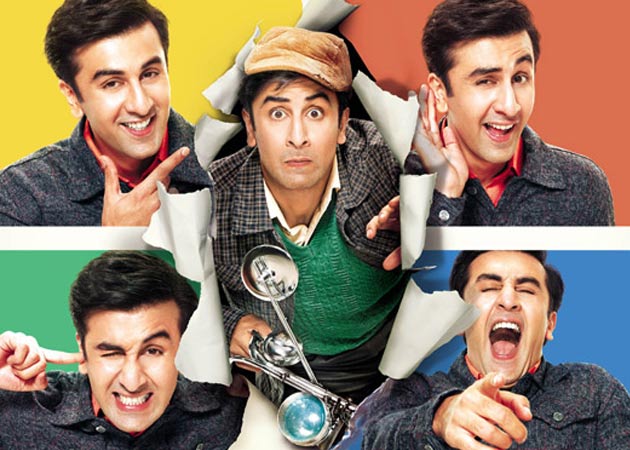
Ranbir Kapoor films have become a must-wait-for event and Pritam’s music the reverse – must-avoid-if-possible. Yet, surprise! What’s this mellifluous music we hear trailing off our TV sets and music players? Is it really Barfi music composed by Pritam? It is and a delicious blend of warmth-quirk-melody at that! Here’s the music review by the almost-resident MFC music reviewer @rohwit. This post was originally written for and published here. But Rohit being a friend, we thought he wouldn’t really mind if we stole it. 😉 Enjoy the spoils!

Ala Barfi! – Right from the first moment when you hear the whistle, you know this song is all about fun! A narrative of the alleged ‘sad’ life of Barfi, the song takes a lighter take on the situation rather than brooding over it (Sanjay Leela Bhansali, take note). There are 2 versions of this song. One is sung by Mohit chauhan and one by Swanand Kirkire. The version by Mohit Chauhan is peppier and stays true to the mood that the song aims to create. Swanand kirkire on the other hand, gives a naughtier touch to the song (so much so that ‘Munna mute hee aansu bahaye’ part doesn’t leave any impact in his version as much as it does in Mohit’s). Both versions are good in their own right. I liked the Mohit Chauhan version better because it’s easy on ears. At times, with the Swanand Kirkire version, the voice is too heavy for a song that is to be sung lightly. In Mohit’s version, in each ‘antra’, you can hear some brief ‘tom and jerry prank style music pieces’ even as Mohit sings. Kudos to Swanand Kirkire for penning  superb lyrics though.

Main kya karu – The song starts very quickly and in a very kya karu from ‘Wake Up Sid’ mood. The song doesn’t have an elaborate music setting before the singer starts. Nikhil Paul George starts the song with less than 6 seconds of music into the track. The ‘guitar resignation of a note’ at every ‘uff’ in the song is cleverly placed. The ‘antras’ have a ‘hopeless in love’ mood to them which is immensely relatable and melodiously performed. The song again is very easy on ears and has a lazy feel to it due to the absence of ‘orchestra overload’ sort of music setting. Liked. Super liked.

Kyon – Papon, (I mean THE Papon!) starts the song with a very 1970’s beat accompanying him. You almost miss a romantic accordion from the setting. The sweet violin arrangement makes it up very well though. Excellently penned by Neelesh Misra, the song makes just enough space for Sunidhi Chauhan to take over one antra and leave us mesmerized. Excellent display of two master artists at work. The only grouse I have is that I left wanting to hear Sunidhi Chauhan for one more Antra. Thoroughly enjoyable and hummable. Papon, sing more for us, will you? Please! The 25 second-odd simple twinkling music arrangement towards the end of the song puts us back to sleep and the song ends.

Phir le aaya dil (Reprise) – Sung by Arijit Singh in a contemporary music setting (yes, with faint tabla throughout the song) and ghazal-like lyrics. This sums up the song best . The use of piano in between and the general mood of this song is just too good. There is another version of this song as well and we will go there in a minute but this song has more layers because it’s not an out-n-out ghazal. The vocals of Arijit are apt for the song (And reminded me of Shail Hada. Where’s he by the way?) Pritam, is that you? Really? Pleasantly surprised! For me, the best song of the album.

Phir le aaya dil – Sung by Rekha Bhardwaj, this composition is an out and out ghazal – very linear in it’s approach. Not many layers. Not sure if this will feature in the film. We have heard Rekha Bhardwaj sing many a ghazals such as this one so it doesn’t come as a surprise that she hugs the lyrics, hi-5’s the music setting and sings with her usual aplomb.

Aashiyan – Excellent accordion play starts this song and Shreya Ghosal greets us smiling. Nikhil Paul George makes another appearance and compliments Shreya Ghosal superbly. This is a happy song. There is  flute  and voilin play in between and it does to us just what good music should!  Yes, music to the ears. The adorable ‘almost’ yodelling is placed perfectly in the song and you can’t help but smile everytime it comes up. Excellent arrangement, this.

Sawali si raat – Beautiful piano starts the song and guitars drift away in the background. Arijit Singh whisper-starts the song. The song talks about ‘sleep’ but the singer sounds clearly out of place in this song. Not comfortable with the subdued singing, Arijit perhaps wasn’t the right choice of the song. The tune nevertheless is quite hummable (Youtube ‘versions’ of this ahoy!). The only blip on the otherwise excellent album and for this, I can’t penalize Mr. Pritam.

Phir le aaya dil (by Shafqat Amanat Ali) – A very ‘raabta‘ like start (initial notes remind you of the Siyah Raatein version of Raabta), piano and a gentle music arrangement, thankfully aided by sarangi this time starts this song and Shafqat Amanat Ali Khan gets on with it. The moment you hear this song you feel it is the ‘cleanest’ arranged and presented song of all the versions. Best part – you cannot (and should not) compare the 3 versions of this song. Arijit Singh’s version is blessed with more ‘feel’. Rekha Bharadwaj and Shafqat’s version is more directed towards singing it right. I cannot get over the excellent use of our very own ‘Sarangi’ in this version though. Not nitpicking but please do pay chotu attention to the way Shafqat Amanat Ali Khan pronounces ‘Baaki’. This is the version that will make you cry a bit, yep.

Special mention – Shafqat Amanat Ali Khan has to be appreciated for not choosing similar songs and falling into the ‘Rahat Fateh Ali Khan’ sahab wala ‘typecast’ groove.
Aashiyan – Nikhil Paul George goes on and about in this solo version. While the duet version sounds fresh with Shreya Ghosal (and if you have heard that version already), you will miss her voice in this one because the energy is a little low. The tempo, music arrangement (save for voilins) is pretty much the same. The only difference that I could make out was the spacing between the opening lines of the mukhda. The lines are spaced using violins so that the listener doesn’t feel that the male voice is singing the female part as well. Not a song that would make you buy this album on a stand alone basis but compliments the album very well.
It’s already been said, blogged and screamed that Pritam has outdone himself with this album and I will just reiterate it shamelessly! You can visualize the film when you hear the songs. If the teaser of Barfi looks like picture perfect painting, the music adds beautiful colors to it. Thrilled beyond words, Pritam has given us one of the best music albums of this year!

Take a bow, Pritam…I owe you a 5 star chocolate, for this tasty Barfi!

Though the music CDs are still to hit the stores, the music of Gangs of Wasseypur – 2 is out online. Our regular (almost in-house) music critic Rohit has sent in this post. Padho aur suno!

(Rohit wrote on GoW-1 music too, here. And a recent post on GoW-2 lyrics by Varun Grover, here.

Over to Rohit…

***********

Even Apple isn’t so tight lipped about their new products! We don’t know if it was the music company or the production house but the fact remains, the music being released 3 odd weeks before the film is to be released isn’t a great idea no matter what logic is thrown at us. The songs need some space of their own as well. Anyway, let’s get down to business.

1. Chicha ledar – The song starts with that familiar sound that all the people who lived near a cotton extracting/beating shop would easily identify. (Those huge sitar-like equipments) and then with appropriate ‘building up’ the song launches into a constant beat arrangement and in comes Durga. Backed by extremely good lyrics the song grabs you and runs and runs. Special mention of the amazing use of words like ‘cheecha ledar, sarau, word play (whether i like the weather)’. The constant ‘joota joota joota’ gives the song a ‘remixed’ feel and then the ‘dub step’ comes in. Maha-amaJing! My grouse with the song is that it is JUST 4 minutes. Clearly a GAJJJJAB start to the album! (Varun insists that the usage of ‘sarau’ is a tribute to Lucknow, I must add).

Special mention of Durga (the 12-year old singer), listen carefully how she says ‘dil’ in the song. Everytime. That’s called hugging the lyrics and not just singing it. Kudos!

2. Kaala re – Sneha khanwalkar. at. her. best. If the ‘keh ke loonga’ made us all hear Sneha launch into her ‘catty’ avatar, this one explores the playful undertones (with a very dark and haunting cello/bass arrangement). Saiyyan kartey ji coal-bazari. A song that’s helped a great deal by excellent lyrics. (Kaala bilkul surmey wala). All shades of black, explored. very. well. Perhaps some parallel will be drawn with the sound of A.R. Rahman.

3. Electric piya – Rasika D Rani starts off (and must say the pronunciation of ‘elektric’ is very very ‘chic’!’), then a very bhojpuri (Trinidad Tobago also?) music setting takes over (aided by ‘casio’like sound, harmonium, dholak and manjeeras). Dholak and Harmonium are quite prominent in addition to the vocals. A very naughty (in a very un-womaniya way) song. This is more like leg pulling of your ‘piya’. The words are pronounced in a flow and might not be able to get into the mind immediately. Repeat the song and you will find yourself smiling.

4.  Bahut Khoob – I am VERY interested to see the way this is going to be filmed. Very theatrical in the way it uses the voice of the kids (And at times Sneha in between). Hear it to make an opinion on the song. Mix and scratch and mix and scratch again and again!

5. Taar bijli – Harmonium with a lot of female backup singers (and some ‘chammach’ on dholak) leaves us with Padamshree Sharda Sinha to weave magic. The setting is very playful. Lyrics full of gentle banter directed towards her in-laws by the bride. ‘Na idhar na udhar hi sihaare piya’…! excellent lyrics. The song is NOT another ‘womaniya’. While Womaniya was more ‘intimate, naughty and personal’, this one puts out the banter in open and poses some questions to the entire family about the bridegroom. The song is actually a satire on the worsening condition of Bihar in 80s and 90s. Perhaps the most conventional song of the pack. Sweet and melodious.

6. Aabroo – Starts with bulbul tarang and dholak. The setting is very ‘gali mohalla’ style. Piyush mishra (and you can picture him sitting on a ‘chowk’ surrounded by people. A little different from his normal style, Piyush Mishra emotes ‘ekdam ghus key’. Bhupesh singh very smartly contests Piyush Mishra (not teams up, contests). An election campaign song, it’s the ‘compteesan’ that has been got music as a background. Kudos to Piyush Mishra! Hilarious to the core. A genre that has resurfaced after a long time,

7. Perpendicular theme – Using a mix of brass band and other sounds, this less than a 2 minute track ends too soon (May be weird just for me, because I am used to the ‘themes’ being longer). A kid’s playful voice a shehnai (may be) and drums at times. Also, the brass band plays a tune in between. I have heard it somewhere and can’t put a finger to it. Who can remember it? I liked the song but disliked the fact it’s too short. The theme is paced so well that you would want to listen to it for a longer duration but then, it ends.

8. Moora – Guitar and mandolin together and you know the song will make you smile. Sneha khanwalkar gives a whispering start to the song. Chiefly using Mandolin and Guitar (just ‘by the side’ arrangement), the beauty of the song is that the vocals are also understated. Would have liked a little more ‘energy’ in the vocals. The lyrics anyway talk of hope so found this version a little dim. The interesting part of this version is a faint male voice. It’s the voice of Robbie styles from Trinidad who played cuatro and mandolin in the song. Best part – he doesn’t know Hindi.

9. Tunya – Bulbultarang’s excellent use with the members of ‘Baal party’ (and if you hear attentively I guess there is a bit of Sneha in the background too). This is just 1:22 minutes track and boy is it sticky or what? As I continue to complain about the duration of this track I can’t help but feel this will make a great ringtone too!

10. Bahut Khoob (8 Bit dubstep) – Excellent use of the 8 bit dubstep arrangement has made this piece (which is still less than 3 minutes!) breezy and intriguing at the same time. From 1:50 minutes, Sneha uses Super Mario music (with altered tempo) and then constructs a bit of her own tune around it. This is sheer brilliance! (90s kids, rejoice!). Although in the lyrics post, it was mentioned that the words are random, I am quite sure that the kids are referring to the movements of a train. Varun (the lyricist) points out that the song refers to the movement of ‘Ganga, the river’. Hear hear and then let’s discuss?

11. Electric piya (Fused) – Not remixed, Fused! Pretty straight forward ‘fused’ version. Harmonium remains and is aided by uniform beats and at times echo. Didn’t like this version much. May be you will. Try it out.

12. Moora (Morning) – Compared to the previous version of ‘Moora’, this one starts with more instruments and the mandolin makes way for  The ‘Humni ke chori ke nagariya’ boy Deepak gets behind the microphone again to give us a more soulful rendition of this song. Lyrics, excellent. Energy (and music arrangement) – Up to the mark! No guitar. Some echo. Some trance like sound. Kabir-sque lyrics. Ends very very techno istyle! My pick of the album, this.

13. KKL – Sneha! Sneha! echoes ‘KKL’ which is nothing but Keh ke loonga. This version will tickle all the ‘techno junkies’ at the right places. If we remember right, the ‘loonga loonga keh ke’ (from part 1 isn’t used in Gangs of Wasseypur part 1, the film). This track features the all male chorus from the song and then mixes up with tiny bits of Sneha’s voice. Sneha has used the bits from the part 1 song superbly! This is what you can easily call as a ‘ball busting ass kicking’ music arrangement. (Try getting the ‘चीख’ of sneha out of your head when she goes ‘Teri keh ke longaaaaaaa’.) What I shudder thinking about is – our reality TV shows will kill this song by ‘performing’ on this.

 A lot of talk has happened pointing directly towards how some of the tracks in Gangs of wasseypur sound like ‘Sound trippin’. If we are to go back in time by say 2 years (when Gangs of wasseypur’s music was being made), MTV had no idea of Sound trippin. Could it not be a possibility that Sound trippin came AFTER viacomm heard the music and sounded off their Music channel to make a show around these ‘unique’ songs and sounds that Sneha accumulated? Think about it.

With the Music of Gangs of Wasseypur 1,  sitting pretty already and other credentials in her bag (rather backpack!), Sneha Khanwalkar delivers a different sound with this album. While the Gangs of Wasseypur 1 album was tilted heavily towards the folk sound, this one is more contemporary. The selection of singers and lyrics continue to play a smart role in the overall feel of the album. Piyush mishra appears for just one song and hits a home run. Varun Grover should probably start preparing for a speech already because kala rey will cause a lot of cheecha ledar and might make a moora of a lot of lyricists this year. All we shall do is just celebrate the arrival of a deeply rooted (to the story line and narration) lyricist and yes the words bahut khoob will be incidental.

Our pick – Entire album. With so much prem pritam pyare and bro-jid-esque music around, if any album is worth your full time, it is this.