Archive for the ‘News’ Category

Chor Chor Super Chor

Deepak Dobriyal has been missing in action for sometime. So it’s good to see him back, and that too in a leading role. Watch the trailer.

Official Synopsis

In the crowded bylanes of Old Delhi, Shukhla ji runs a photo studio that is a front for small time crime. Satbir, who is a part of this gang now wants to give up a life of vice and make a new beginning with his love interest – Neena. Is Neena’s keen interest in Satbir’s past only curiosity or is there a secret intent? Will Satbir finally win Neena? What happens to wannabe crooks Amol and Ronnie? Will Satbir be able to give up his life of crime?

Cast & Crew
Produced by: Ved Kataria & Renu Kataria
Directed by: K.Rajesh
Story: K.Rajesh
Screenplay: Ani Thomas & Radhakrishnan Cherpu
Dialogues: Alok Chaturvedi

Cast
Deepak Dobriyal, Priya Bhatija, Anshul Kataria, Paru Uma, Alok Chaturvedi, Brahma Mishra, Nitin Goel, Jagat Rawat, Chandrahas Tiwari, Anurag Arora, Shrikant Verma, Megh Pant, Avtar Sahani, Jatin Sarna, Gaurav Das

Production company: Katson Motion Pictures
Music by: Mangesh Dhakde
Cinematography by: Rakesh Haridas
Editing by: James.J. Valiakulathil
Sound Design: Niraj Gera
Art Direction: Suman Roy Mahapatra
Casting: Alok Chaturvedi
Lyrics & Choreography: Vibhu Puri
Executive Producer: Tushar Radhakisan Tupe

FD

This one seems like a great and unique retrospective. Check out the details and if possible, do attend it. Copy-pasting the info from the official release. And the best part – Entry is FREE!

(from official release)

Retrospective of Indian cinema and video
28, 29, 30 June 2013
FD Zone, Films Division, Mumbai

Print Courtesy: DFF, FTII, SRFTI, NFAI, NID

ENTRY – All screenings are free!

CURATED by – Ashish Avikunthak & Pankaj Rishi Kumar

SCREENING SCHEDULE

Day 1 – 28 June, 2013, Friday

Session 1: Experiments with Gods 

10.00-12.30 pm
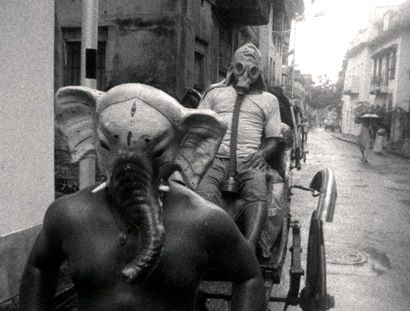
A collection of early films made by D.B. Phalke between 1913 and 1935.
Raja Harishchandra (20 mins, 35mm, 1913)
Lanka Dahan (9 mins, 35mm, 1917)
Shree Krishna Janma (6 mins, 35mm, 1918)
Kaliya Mardan (50 mins, 35mm, 1919)

Session 2: Experiment in the State

 1.15- 3.45 pm
The earliest robust experimentation in India begins under the imaginative tutelage of Jean Bhownagary while he headed the Films Division in 1965.
Explorer – Pramod Pati (7 mins, 35mm, 1968)
Claxplosion – Pramod Pati (2 mins, 35mm, 1968)
Trip – Pramod Pati (4 mins, 35mm, 1970)
Koodal – Tyeb Mehta (16 mins, 35mm, 1970)
Abid – Pramod Pati (5 mins, 35mm, 1972)
Child on a Chess Board – Vijay B. Chandra (8 mins, 35mm, 1979)
India ’67 – S. Sukhdev (57 mins, 35mm, 1968)

Session 3: Experiment in the School 

4.00- 6.45 pm
FTII became the centre of experimentation soon after it was headed by Ritwik Ghatak. Since then, along with SRFTI, it has continued to be a space where experimentation in cinema occurs on a regular basis.
Bodh Vriksha – Rajan Khosa (27mins, 35mm, 1987)
In Short – Kuntal Bhogilal (18 mins, 35mm, 1996)
Repentance – Rajeev Raj (22 mins, 35mm, 1997)
Chinese Whisper – Raka Dutta (27 mins, 35mm, 2006)
Airawat – Renu Savant (10mins, 35mm, 2011)
Moon Stars Lovers – Jessica Sadana (10 mins, 35mm, 2012)

Session 4: Feature Film 1 – Kanchan Seetha (87 mins, 35mm, Malayalam, 1977) by G. Aravindan

7.00- 9.00 pm
Ending the first day with Malayali Filmmaker Aravindan’s masterpiece Kanchan Seetha – an invigorating reworking of the Ramayana, which opens up a new discourse on Indian cinema and its interpretation of religion. This film is located here to be in direct conversation with Phalke’s cinema of religiosity.

Day 2 – 29 June, 2013, Saturday

Session 1: Experiment with the Documentary
10.00- 12.30 pm

Documentary has been a formidable cinematic form in India. Although most innovation has occurred in world of the political, it has also has seen serious experimentation.
I am Twenty S.N.S. Sastry (20 mins, 35mm, 1967)
Tales from Planet Kolkata – Ruchir Joshi (38 mins, 16mm, 1993)
Brahma, Vishu, Shiva – R.V. Ramani (19 mins, video, 1999)
Presence – Ekta Mittal & Yashaswini B. R.- Behind the Tin Sheets Project (18 mins, HD, 2012 )
Nayi Kheti – Pallavi Paul (11 mins, HD, 2013)

Session 2: Experiments with the Short Film

Saturday, 1.15- 3.45 pm
This section focuses on films that were made outside the institutional framework of the state or the school and can be understood as independent experimentations, especially focusing on the short form.
Nirjan Godhuli – Santosh Gour (10 mins, 16mm, 1993)
Dust – Ashim Ahulwalia (20 mins, Video, 1993)
Atreyee – Shumona Goel (17 mins, Video, 2003)
Straight 8 – Ayisha Abraham (17 mins, Video, 2005)
Bare – Santana Issar (11 mins, Video, 2006)
Jan Villa – Natasha Mendonca (20 mins, HD, 2010)

Session 3: Experiments in the Gallery

4.00- 6.00 pm
In the last decade, the Art Gallery has become a vibrant space for exhibiting moving images mostly in the form of video art and installations. This section attempts to grasp with this new space of experimentation. It has been co-curated by Mortimer Chatterjee.
Record/Erase – Nalini Malani (10 mins, Video, 1996 )
Flight Rehearsals – Kiran Subbaiah (7: 26 mins, Video, 2007)
Dance Like Your Dad – Hetain Patel (6:15 mins, Video, 2009)
There is a spider living between us – Tejal Shah (7 mins, Video, 2009)
Man Eats Rock – Nikhil Chopra & Munir Kabani (22:11 mins, Video, 2011)
The First Dance – Hetain Patel (7:44 mins, Video, 2012)
Forerunner – Sahej Rahal (12:16 mins, Video, 2013)
File not Found – Jaret Vadera (1 min, Video, 2013)

Session 4: Feature Film 2 – Satah Se Uthata Aadmi (114 mins, 35mm, Hindi, 1980) by Mani Kaul

6.30-8.30 pm 
Mani Kaul is known mostly for his landmark film Uski Roti. However, the Satah Se Uthata Aadmi is probably his most conceptually rigorous and philosophically penetrating work. Based on the writings on Muktibodh, this film is a deep philosophical articulation on post-colonial modernity.

Day 3 – 30 June, 2013, Sunday

Session 1: Experiments with Animation

10.00- 12.30 pm
Co-curated by Nina Sabnani, this section examines experimentation in the world of animation. We shall look at the way in which animation directors have pushed the boundaries and expanded its scope in process, materials, concepts and its functions.

Session 2: Cinema of Prayoga

1.30- 4pm 
The invocation of “prayoga” from Sanskrit etymology is Amrit Gangar’s radical move of rejecting the Western art historical terminology of experimental and avant-garde to explain the specific nature of experimentation in Indian cinema. This section has been co-curated by Amrit Gangar.
And now i feel i don’t know anything – Kabir Mohanty (35 mins, 35mm, 2001)
Egotic World – Vipin Vijay (21 mins, 35mm, 2002)
Kramasha – Amit Dutta (22 mins, 35mm, 2006)
Vakratunda Swaha – Ashish Avikunthak (22 mins, HD, 2010)
21 Chitrakoot – Sambhavi Kaul (9 min, HD, 2012)

Session 3: Feature Film 2- Kaal Abhirati (120 mins, 35mm Bengali, 1989) by Amitabh Chakraborthy

4.15- 6.30 pm 
This is a significant film of this era that explores the complexities of human existence within the confines of Indian philosophy and discourse. This film, along with Kamal Swaroop’s Om Dar Badar, is the link between experimentations by Mani Kaul and Kumar Shahni and contemporary articulations by the ‘Cinema of Prayoga’ filmmakers.

Session 4: Round Table Discussion

6.45- 8 pm 
The curators along with filmmakers, discussants and respondents will have a Round Table conversation teasing out and putting on the board the major points/ issues /debates that have been brought out in these three days.

VENUE
RR Theatre, 10th floor, Films Division
24, Pedder Road, Mumbai – 400026

– The exhibitional emphasis of this retrospective has been to show almost all the works in their original format – 35mm, 16mm and digital video.

If you want to know more about this retrospective, keep reading.

– FB page of the event is here.

CURATORIAL CONCEPT

This retrospective is a celebration of the spirit of experimentation in Indian cinema; from the moment of its mythic birth in 1913, with Phalke’s Raja Harishchandra, to the innovative and challenging moving images produced and exhibited today. The films brought together chart the transformation of experimentation, from early celluloid spectacle to contemporary digital adroitness. The curatorial impetus of this retrospective is marked by an emphasis on tracing the chronology of experimentation through the history of Indian cinema. It halts at pit stops of radical moments of experimentation and underscores it.

The idea of ‘experimentation’ rather than the experimental or avant-garde drives the films put together in this retrospective. The conceptual rubric of this ‘experimentation’ traces its theoretical genealogy from Gandhi’s “Experiments with Truth” rather than the Western art historical lineage of experimental or avant-garde. Although these terms are temporally analogous to the 1920s and have an aesthetic origin, experimentation in Gandhi has a metaphysical, self-reflexive and ontological root.

In this retrospective, experimentation is viewed as a philosophical response to colonial and postcolonial modernity in India. These films challenge modernity by generating a contemplative dialogue with Indian history, tradition, culture and religion. Experimentation then becomes a dexterous rejoinder, like Gandhi’s experiments that rupture the trajectory of modernity. These are careful, controlled and meticulous interventions in the world of cinematic modernity, than fortuitous laboratory experiments. These films are not driven by the desire to just produce an aesthetic artifact, but rather to create a discursive field. Here, corresponding to Gandhi’s “Experiments with Truth” cinema is an engagement with the self, located in the world.

RETROSPECTIVE PROGRAM
The retrospective begins by underscoring that the moment of birth of Indian cinema with Phalke was the first experiment – the “Experiments with Gods”. The kinesthetic employment of the divine sparks a birth of a representation medium in India that catapults modernity and tradition into a cinema of religiosity – a dominant form of cinema of the silent era. Here, the cinematic apparatus becomes a technological conduit, comparable to the oral, the visual and the written, for the manifestation of that religiosity.

It was more than 50 years later that the first experimentation occurred within the bureaucratic confines of the post-colonial Films Division in the late 1960s. These films challenged the formidable account of the sturdy developmentalist state and shattered its edifying edifice. These were the first cinematic critiques of the nation – forthright, trenchant and angry. S. Sukhdev, Pramod Pati, S.N.S Shastry and K.S. Chari among others, radically altered the possibilities of cinematic representation in India.

Soon the films funded by Film Finance Corporation (later NFDC) ushered the much-celebrated rise of the Indian New Wave. Mani Kaul’s Uski Roti (1969) and Kumar Shahani’s Maya Darpan (1972) spearheaded profound experimentation in this period. However, the foundation of this continued experimentation was first established in the venerable FTII under the tutelage of Ritwik Ghatak. The section “Experiment in School” is a small curatorial gesture towards the pioneering works produced in its confines along with the later established SRFTI.

Just like the narrative feature, documentary, short film and animation were also formidable sites of experimentation. There are sections devoted to each of these forms in this retrospective that will showcase some of the most cutting-edge works made in recent times as well as in the past. The films in these sections push the boundaries of form and structure in a direction not seen earlier; like the enlivening usage of found footage or the construction of disjunctural narrative structures. Films were not only made with state funding, but also by filmmakers who were outside institutional settings.

In the last decade, the meteoric rise of contemporary Indian art along with the technological democratization of video has allowed for a productive intersection. Now galleries and museums have become fecund locations of experimentation in moving images. The section “Experiment in the Gallery” focuses on both established as well as emerging artists experimenting with digital video and specifically showing in the gallery/museum context. The works selected here are particularly single-channel works that also have exhibitive possibilities outside of the installation context.

Finally, the emergence of the term ‘Cinema of Prayoga’ coined by Amrit Gangar to challenge the hegemonic category of the experimental and avant-garde. It has been one of the most significant moves in the history of Indian cinema. The term ‘Prayoga’ in “Cinema of Prayoga” is in conversation with the Western art history term ‘experimental’, by unequivocally critiquing it. Simultaneously, it argues for a new imagination for comprehending idiosyncratic cinematic practices in India. It signals the conceptual inadequacy of the term ‘experimental’ and at the same time opens up a richer discourse to understand what is happening in India. It roots its discursive imagination within the world of Indian philosophical theories that accentuate temporal probabilities.

RETROSPECTIVE STRUCTURE 

This retrospective is conceptualized as a conversation with cinema, cinematic experience and cinematic thought. The curators hope that the three-day festival will provide opportunities for thinking through the nature of experimentation in Indian cinema in a historical fashion – the transformation of form and structure through time. The conceptual tension of terms like experimentation, experimental, avant-garde and Prayoga hope to be debated upon and thought through.

It also responds to the careless and ahistorical usage of the term ‘experimental’ in media and popular culture. It delineates a clear genealogy of experimentation and creates a lineage. More than a curatorial assertion, this retrospective is a historical framing of experimentation in Indian cinema. It builds upon the pioneering work of curators like Shai Heredia and Amrit Gangar, who have in the past decade signaled a robust nature of experimentation in Indian cinematic modernity.

As a disclaimer, it should be noted that this not a comprehensive historical delineation of experimentation in Indian cinema. Some key and very important works by filmmakers like Mani Kaul, Kumar Shahani, G. Arvindan, John Abraham are missing because the curatorial emphasis has been on showing rarer, and unseen films rather than known masterpieces.

The various sections of this retrospective are not mutually exclusive. Some films and filmmakers can exist in more than one section if not multiple. The quantum of experimentation in Indian cinema is multifarious; therefore as a curatorial policy we have decided to show only one film by a contemporary filmmaker. Due to time constraints, we have focused on shorter works rather than epic and longer works which are equally important. Here it is imperative to mention films by Amar Kanwar, Arghya Basu, Kabir Mohanty, and feature length narratives by Amit Dutta, Vipin Vijay and Ashish Avikunthak.

We would also like to note that the curatorial ambitions of this retrospective have been thwarted due to the lack of original prints for exhibition of some films that we would have liked to show. Here we would specifically like to name Kamal Swaroop’s Om Dar Badar (1988), S. N. Dheer’s Pratishodh (1982), Vishnu Mathur’s Pahela Adhyay (1981) and Nirad Mahapatra’s Maya Miriga (1983).

– The exhibitional emphasis of this retrospective has been to show almost all the works in their original format – 35mm, 16mm and digital video.

The office of the Director-General of Films Division who have artfully negotiated the bureaucratic maze of the Indian government to get us these prints have made this retrospective possible. We take this opportunity to thank them. We would also like to thank the National Film Archive, Pune, Directorate of Film Festival Delhi, Film & Television Institute of India, Pune Satyajit Ray Film & Television Institute, Calcutta and National Institute of Design for loaning us the prints for this retrospective.

CURATOR BIOGRAPHIES
– Ashish Avikunthak is a filmmaker, film scholar and anthropologist. He has been making films for the past eighteen years and his films have been shown in film festivals and museums worldwide. He is an Assistant Professor in Film Media at the University of Rhode Island and has a PhD in Cultural Anthropology from Stanford University.

– Pankaj Rishi Kumar is a graduate from FTII who began his career as an assistant editor on Sekhar Kapoor’s Bandit Queen. He has been working as a documentary filmmaker for more than 20 years and his work has been shown at festivals all over the world. He has won grants from Hubert Bals, IFA, Jan Vrijman, AND (Korea), Banff, Majlis, Sarai and Pad.ma and was awarded an Asia Society fellowship at Harvard Asia Centre (2003). He also teaches and curates.

Other Screenings

6th July : To Let The World In, Volume 1 by Avijit Mukul Kishore
13th July : To Let The World In, Volume 2 by Avijit Mukul Kishore
20th July: BIDESIA in BAMBAI by Surabhi Sharma

Bandhon-Poster-2

Jahnu Barua has won 11 National Awards. And there’s high chance that you might not have seen a single film of his, even if you are a die-hard film buff. The reasons and excuses can be many. So here’s your chance to change it. His latest film Baandhon is going to be released in 7 cities across the country, and with English subs. The film is being released under PVR Directors Rare banner and will have shows in Delhi, Mumbai, Kolkata, Chennai  (special screening on Saturday/Sunday), Bangalore, Pune and Ahmedabad.

– Baandhon (Waves of Silence) is the first Assamese film to be released outside the state. It is produced by the Assam State Film (Finance & Development) Corporation ltd. (ASFFDC) and has won the award for Best Assamese Feature Film at the 60th National Film Awards in 2012.  It opened the feature film section of Indian Panorama at the 43rd International Film Festival of India and was also screened at the International Film Festival of Kerala.

– The film is 96 minutes long and features Bishnu Kharghoria, Jatin Bora, Bina Patangia, Zerifa Wahid, Abastosh Bhuyan & Anshuman Bhuyan.

– Synopsis : Baandhon is a story of an elderly couple – Dandeswar and Hkawni whose lives are deeply impacted when their grandson goes missing in the attacks of 26/11 in Mumbai. The film captures the turmoil and the upheavals the couple goes through in trying to come to terms with the void that has been created in their lives forever.

And here’s the trailer of the film (with subs)

TRANLITE new low(1)

Filmmaker Anurag Kashyap and producer Guneet Monga under their banner, AKFPL, will be releasing SHORTS (a collection of 5 short films) on July 12 2013.

The films will be released by PVR Directors Rare across Mumbai, Delhi, Pune, Kolkata, Surat, Cochin, Ahmedabad and Bangalore in select theatres. The five shorts are directed by Shlok Sharma, Neeraj Ghaywan, Rohit Pandey, Siddharth Gupt and Anirban Roy. The films feature Huma Qureshi, Nawazuddin Siddiqui, Richa Chadda, Vineet Singh, Aditya Kumar, Ratnabali Bhattacharjee, Shweta Tripathy, Satya Anand, Preeti Singh among others.

Synopsis of the 5 Shorts –

1. SUJATA by Shlok Sharma

Starring: Huma Qureshi, Shweta Tripathi, Satya Anand & Aditya Kumar

– Sujata is a riveting tale of a young girl, who is struggling to come out of the clutches of her tormenting cousin brother. At a very young age, she is forced to live with her cousin and his family. Herein, begins a life of incessant harassment by her cousin brother.

Even as an adult she lives in the shadow of fear. For years, she changes addresses and identities in the hope of finding freedom; but each time he hunts her down. Neither the police, nor the NGOs are able to help her. Pushed to a corner, she decides to take the extreme step.

2. EPILOGUE by Siddharth Gupt

Starring: Richa Chaddha and Arjun Shrivastav

A relationship that has already fallen apart and is just about to snap. It describes the love and intimacy, the entangling of two lives and the completely symbiotic nature of a couple.

It reflects the possessiveness control isolation, depression and desperation that a relationship can lead to, representing a cycle that needs to be broken in order to keep sane.

3. AUDACITY by Anirban Roy

Starring Preeti Singh, Sankar Debnath and Kanchan Mullick

A thirteen-year-old girl has her first real confrontation with authority when her father forbids her to play the American dance music she loves. When she decides to take revenge, the situation escalates to become a neighbourhood scandal.

A dark comedy about parental authority, teenage rebellion, curry, whiskey, and house music.

4. MEHFUZ by Rohit Pandey

Starring: Nawazuddin Siddiqui and Aditi Khanna

In an ambiguous space and time. The city has turned mad, as violence has taken its toll. But, far away in the sounds of silence at the border of the town, a man takes care of all the death around. He drags away this usual routine with every passing night.

One night, he notices a strange woman wandering on empty streets. As her behavior changes, so does his journey.

5. SHOR by Neeraj Ghaywan

Starring: Vineet Singh and Ratnabali Bhattacharjee

Lallan and Meena, a couple from Banaras, are consumed by their pursuit to survive in the city of Mumbai. Meena takes up a job in a sewing factory.

One day over a phone call, they find each other while embracing death, divorce and redemption. It takes the darkest hour of our life, the fear of death, to regain our consciousness back in to life. To find the beauty that is lost in our relentless angst towards an unyielding life.

Ship Of Theseus

With UTV and Kiran Rao in the picture, Anand Gandhi’s Ship Of Theseus is getting some much deserved attention. The film is scheduled to release on 19th July in Mumbai, NCR, Kolkata, Bengaluru and Pune. To get the film released in other parts of the country, one  can now VOTE for it. This kind of “Demand the film in your city” initiative is quite common in US and they have been able to release many films through it. Good to see the idea being tried here.

So if you are not from Mumbai, NCR, Kolkata, Bengaluru or Pune, this what you need to do watch SoT in your city – To submit a vote one needs to visit the ‘Ship Of Theseus’ Facebook page with or without logging in. And then go to ‘Vote For Your City’ tab and cast your vote. Cities that hit the 100% mark will see a guaranteed release.

The options include, but are not restricted to, Ahmedabad, Allahabad, Aurangabad, Baroda, Chandigarh, Chennai, Hyderabad, Indore, Jaipur, Kochi, Lucknow, Ludhiana, Raipur, Rajkot and Surat. To choose any other Indian city, click on the ‘Others’ option and type out the name of your preferred location. Click ‘Submit’ to finalise your vote.

Click here to VOTE and DEMAND Ship Of Theseus in your city.

There’s only one reason why you should vote and demand the film – It’s easily one of the best films of the year. And you need to see it on big screen. Don’t get scared by it’s title if it seems pretentious to you. The film is accessible to anyone.

– To watch its trailer, and to read the synopsis, click here.

– Our recco post on the film is here, here and here.

logo1NFDC (National Film Development Corporation) has announced the Call for entries for one of its important programs, Co-production Market at Film Bazaar 2013 (Nov 21st- 24th). The seventh edition of South Asia’s Global Film Market- Film Bazaar, will be held from November 20th-24th, alongside IFFI (Nov 20th- 30th), in Goa.

– The first of its kind in South Asia, the Film Bazaar Co-Production Market offers a unique opportunity to filmmakers with South Asian stories seeking international co- productions as well as artistic support.

– Every year, the Co-Production Market invites a select number of directors and producers to present their projects to international producers, distributors, sales agents, funding representatives and other financial partners from across the world.

– Film Bazaar Co-production Market boasts an eclectic range of films that were successful outcomes, namely; The Lunchbox (by Ritesh Batra), Monsoon Shootout (by Amit Kumar), Titli (produced by Dibakar Banerjee), Deool (by Umesh Kulkarni), I AM (by Onir), LSD (by Dibakar Banerjee), Shor in the City (by Raj Nidimoru), to name a few, from the past editions.

– Film Bazaar Co-Production Market 2012 selected twenty six South Asian projects from thirteen countries, namely, Pakistan, Bangladesh, Sri Lanka, Australia, New Zealand, USA, UK, Germany, France, Algeria, Canada, Netherlands and India including an Independent Filmmaker Project, USA.

– The deadline for applications is July 30, 2013.

– There is an entry fee of Rs 3,500.

– For more details on the program and its process, click here.

(All info from press release)

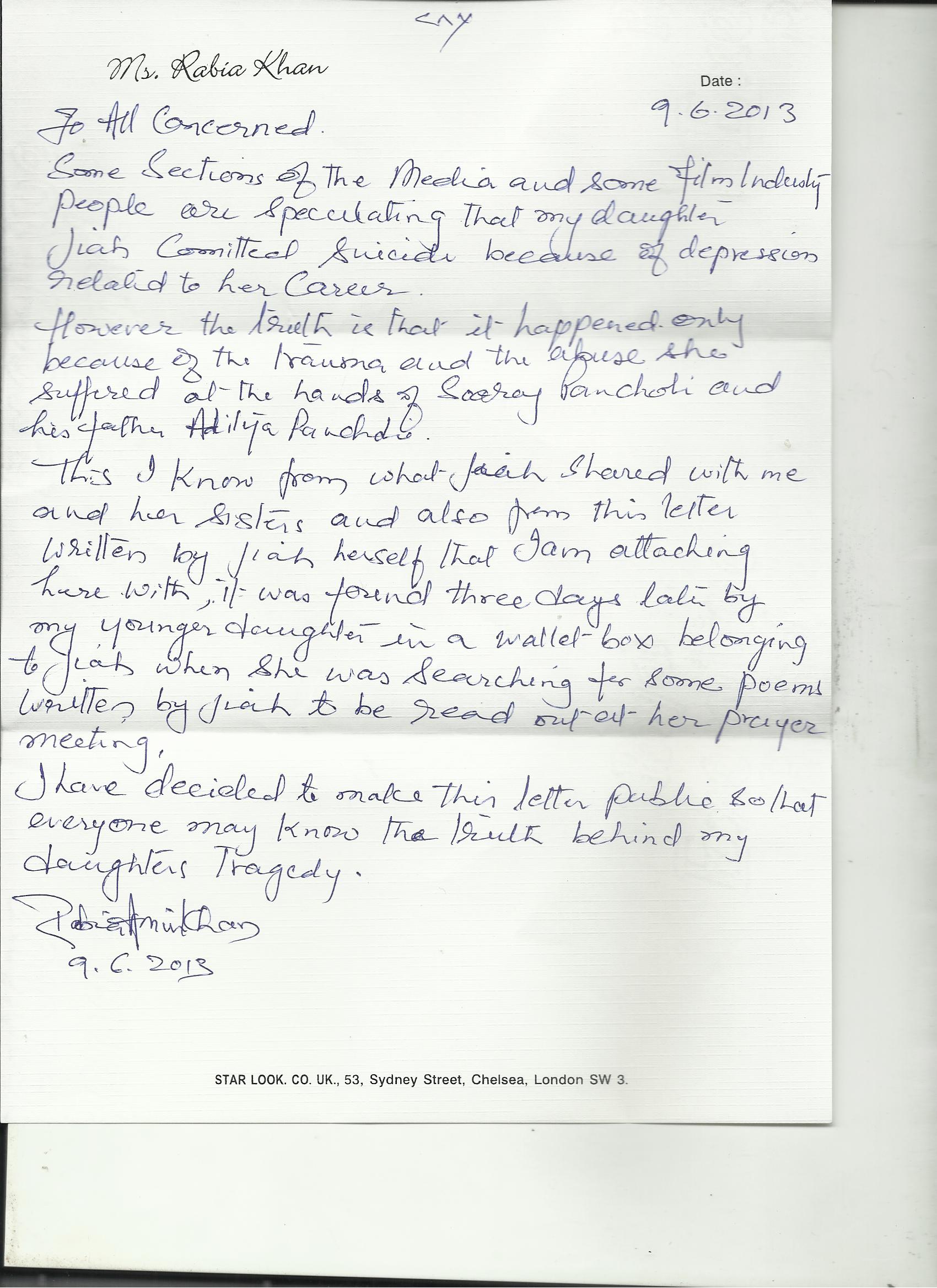
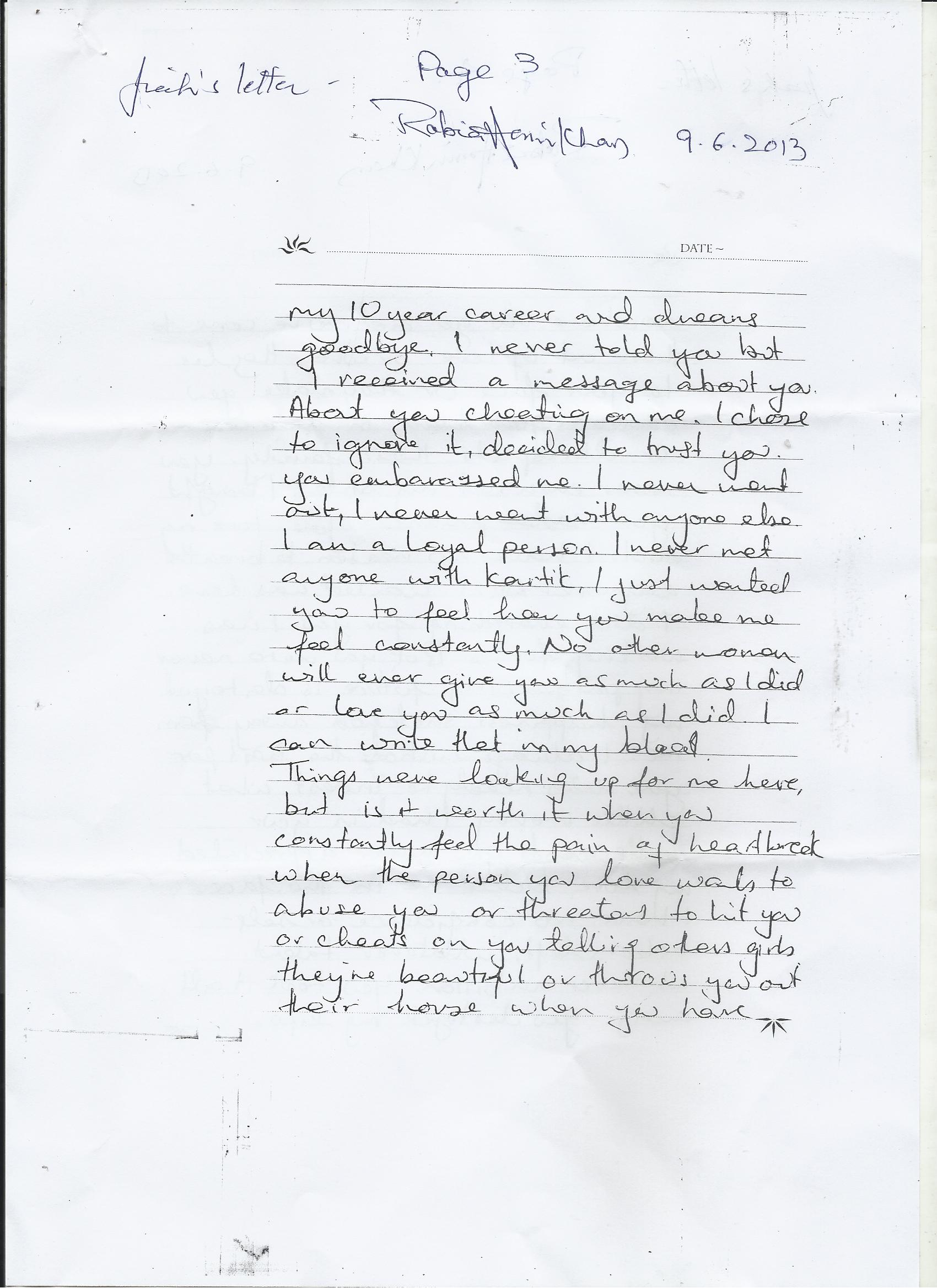
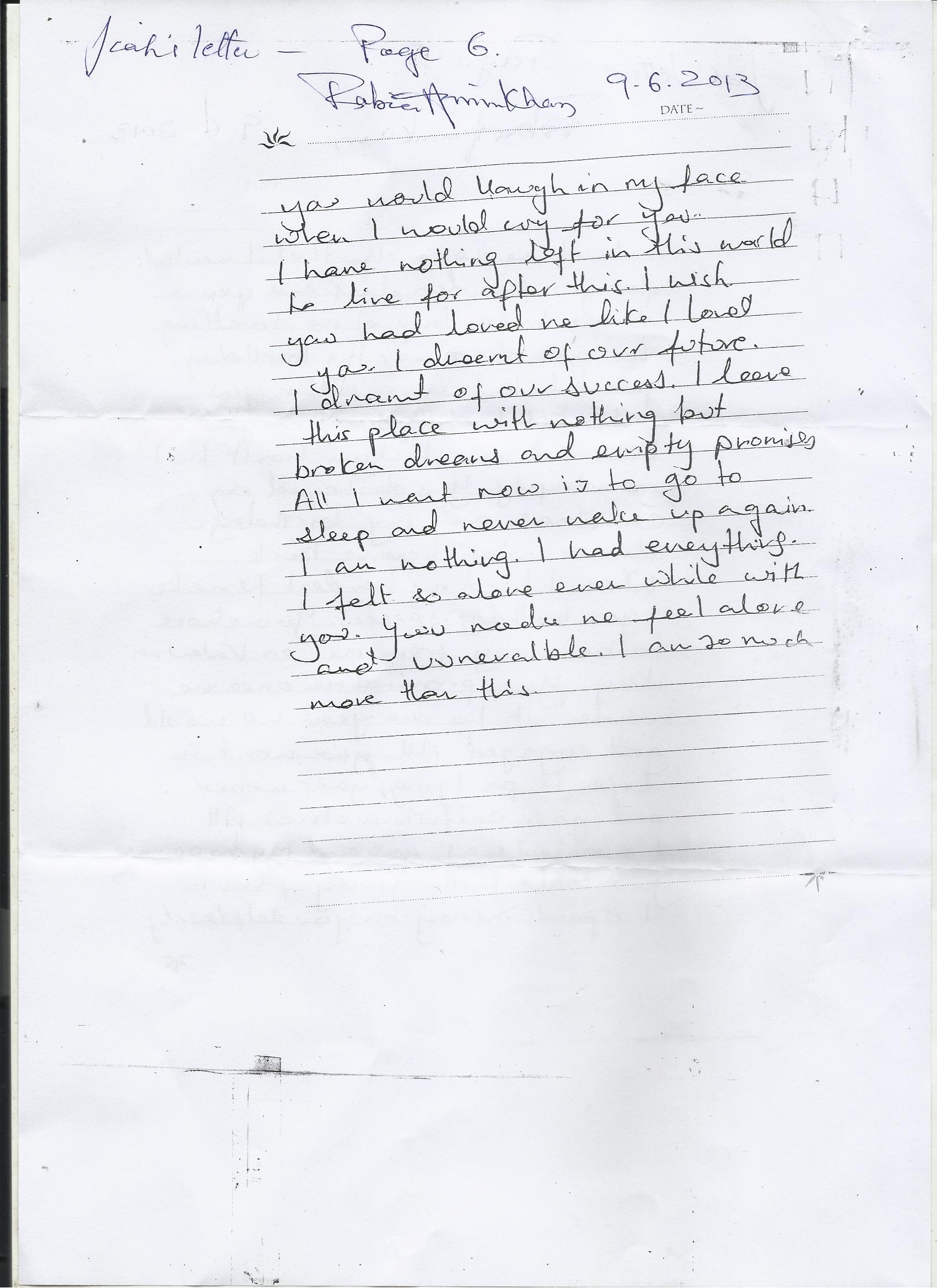
Jiah Khan’s death not only shocked everyone but in the last few days there have been various speculations surrounding it. Initially Police didn’t find any suicide letter. But now her mom Rabia Khan ‘claims’ to have found a note written by her. She has made this note public and so we are sharing it here.

It’s quite sad and heartbreaking stuff, especially for someone who has just twenty five year old. As they say, the real picture is not what you get to see on screen.

1 2 3 4 5 6 7

raanjhanaa_rahman360_Arrahman

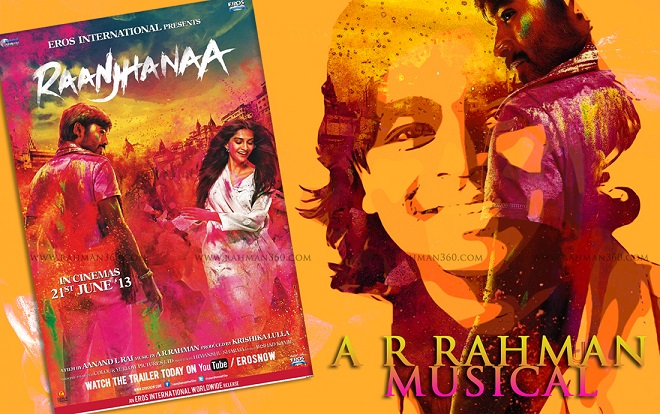
After a long wait, it’s finally out – the music of Raanjhanaa. But seems the wait was worth it. Do check out the music of Raanjhanaa. Rahman is back and how. Over to @Rohwit for its music review.

  • Raanjhanaa hua – The ever so melodious (yet not as popular as I would like him to be) Jaswinder Singh starts the song and vanishes too quickly. Anyway, the song belongs to ‘at times out of sync Shiraz Uppal’ and that’s what you will love the song for. It just doesn’t try to ‘fit in with calculated singing’. The percussion arrangement – top class, the use of Sitar – exemplary. In fact, when the song ends, the sitar doesn’t leave your mind. Go ahead, try it! A racy tune marked with excellent violins (which literally take the song to it’s peak every time they appear), the song is top class! Watch out for the faint guitar riffs throughout!

  • Banarasiya – Like the name indicates, a song that ought to remind us of Benaras. Starts quite rightly with Sarangi and flute (aided with the mandatory manjiras). Tune wise crisp, singing wise excellent, Shreya Ghoshal’s vocals! Sitar, Tabla and flute do their bit to raise the level of the song. The playful backup vocals by the hugely talented Meenal Jain and Anwesha add the right amount of playfulness and mischief to the song and you can picture the dancers in a group, exchanging glances and moving the neck and eyes in sync.The atmosphere is very ‘evening’ and the setting reminds us of the ‘Kotha’ culture.

  • Piya Milengey – The song that begins with KMMC sufi ensemble going at it along with Sukhwinder is endowed with definitive bass and faint piano notes towards the beginning part of the song. The ensemble does an excellent job without getting loud at all. A song that is likely to appear in the background as the film paces up. Thankfully a bollywood – sufi offering that leaves an impact and not screaming singers in the mind as it ends.

  • Aye Sakhi – A song that has the most delightful and talented singers around. Madhushree, Chinmayi, Vaishali and Aanchal sethi come up with a song that’s treated with sheer brilliance and arranged classically (and gives out a feel that the singers are practising kathak). In fact, the music and the feel around the ‘aye sakhi uljhan’ reminded us of ‘Jao rey jogi tum jao rey’ (from Amrapali). The ‘Tyun tyun tyun’ bit in between reminded us of the Tain tain tain song from Gangs Of Wasseypur. Still so enjoyable! The song has an element of ‘Kya dekh rahey ho tum’ from Taal in terms of feel but is vastly different tune wise. Thumbs up!

  • Nazar Laaye – With lazy guitars, simple beats and Rashid Ali who is almost sleep-singing along with Neeti Mohan, the first impression of the song is ‘JTYJN-hangover!’ A typical song that gets skipped most of the times but stays in the playlist nevertheless.

  • Tu Mun Shudi – A lot has been written and propagated about Hazrat Amir Khusro’s Persian words around which the song is created, so we won’t go there. (By the way, Tu = you, mun = mine, shudi = became, Muntu = me yours, shudam = have become). The techno start to the song with superlative A R Rahman setting the tone of the song welcomes Rabbi (No no, not the Rabbi who sang Challa, this one sings better!). The use of shehnai in the song is top class. The way it flirts with the beats, we never thought it can, and all this with a constant hip-hop like beat. There is always that song in an ARR album that evokes extreme reaction (apart from other songs which are tagged in ‘Give it time and they will grow’ category). This one belongs to the ‘extreme reaction’ category. People will either like it or completely dislike it. We? LOVED it! ARR at his innovative best (with his characteristic giggle!)

  • Aise na Dekho – A bonfire song. Starts with a frolicky mouth organ up and about with guitars. Yet another ‘JTYJN-hangover’ infected song, one might argue. Sung by ARR himself, the song scores low on words and the way they are pronounced (May be intentional?). Still the music arrangement is soothing. The whistling in between is simple and adds charm to the tune. Will I hear it again? Not now.

  • The land of shiva – Heavy chants with heavier music setting and bells marks this piece and before you realise what is happening, it gets over. With a little over 1 minute running time, the tune is clearly added to compliment the overall feel of the album and is surely going to appear in the film.

  • Tum Tak – May be it is Javed Ali who melts with the musical arrangement (The other way of looking it could be – his voice doesn’t stand out), the song is likeable only because of it’s music arrangement. The construct is too confusing, singing wise. Too many ‘Tum taks’ are irritating to say the least. The sudden change in the song on the other side of 3 minutes is bearable vocally. Kirthi and Pooja are efficient in the song. What lessens the impact of average singing is the excellent use of Manjeera and shehnai.

AR Rahman somewhere mentioned that the use of shehnai in this album is a tribute to Ustad Bismillah khan.

What we liked the most about the album is that it gives out sense of the film without being vague. The lyrics by Irshad Kamil are largely effective.

The variation that we hear in terms of tune selection and treatment is vast, the music arrangement as usual top drawer! The album exudes a lot of confidence and the feeling of ‘durability’ oozes in good measure.

Just when the promos were looking an ordinary, it is unbelievable what a brilliant music album can change it all. Now only if the film is good enough to hold it all together.

Correction for Tu man shudi explanation – Tu man shodi” means You became me and “Man tu shodam” means “I became you” not “yours”. “Man” means “I” not “mine”. “I became yours” is “Man maal-e-to shodam”. Thank you for correcting it everyone

guide gufraan official poster

This came in our mailbox. We don’t know anyone connected with this film, but it looks damn interesting – the poster and the trailer. So we are featuring the first look of this 50min long feature Guide Gufraan here. Directed by Ayushman Mitra, a graduate from Calcutta’s St Xavier’s  College. It’s made with the help of his friends from Xavier’s who have formed a group called Backgate Studio. Have a look.

Synopsis:

Raas, the cosmic meeting of opposite energies, is the cornerstone of all creation. Raas is widely illustrated as a celebration of love with an important involvement of dance and music. A few stories of love live beyond the boundaries of time and society; Krishna’s ‘raas’ is a timeless tale of erotica and passion. For most, he is more human than god. What is amazing is the acceptance that he receives from a conservative society like ours.

Guide Gufraan is Pasha’s journey from repression to acceptance of his own self. As he enters the city of Calcutta to retrace his past and seek spiritual asylum, where questions are asked and many are left unanswered, he begins an exploration of the self, the self he is desperately running away from, challenging his quest for peace. Finally, a city guide acts as the catalyst and pushes him to the limits till he embraces his true self. It is a celebration of acceptance, as people choose to live liberated lives shunning the social stigmas on love, sex and relationships. People come together and tear apart, some are fondly remembered, while some disappear into the chaotic rhythm of the ‘raas’. It is only natural that Krishna in the Mahabharata essays the role of a ‘sarathi’, in other words, a guide.

Cast & credit :

Cast: Ayushman Mitra, Sreemoyee Kasturi Banerjee, Neeraj Dugar, Sneha Ghosh, Zoheb Akbar, Yashodhara Basu Mallick, Sharmistha Jha, Urmila Subhadra Majumdar, Gautam Vir Prashad and Gosto Kumar

Director: Ayushman Mitra

Story & Screenplay: Ayushman Mitra , Sreemoyee Kasturi Banerjee

Director of Photography: Gairik Sarkar, Rusha Bose

Editor: Gairik Sarkar Creative

Producer: Rohini Ghosh

Music: Sambit Chatterjee, Yudhajit Biswas, Ronodeep Bose

Production Designer: Ayushman Mitra

Production Manager: Anirvan Sengupta

Costumes: Sneha Ghosh

Co-Producers: Sumit Mitra, Srijon Kaushik Banerjee

—> For any queries about the film, you can write to anirvansengupta91@gmail.com

Lunchbox

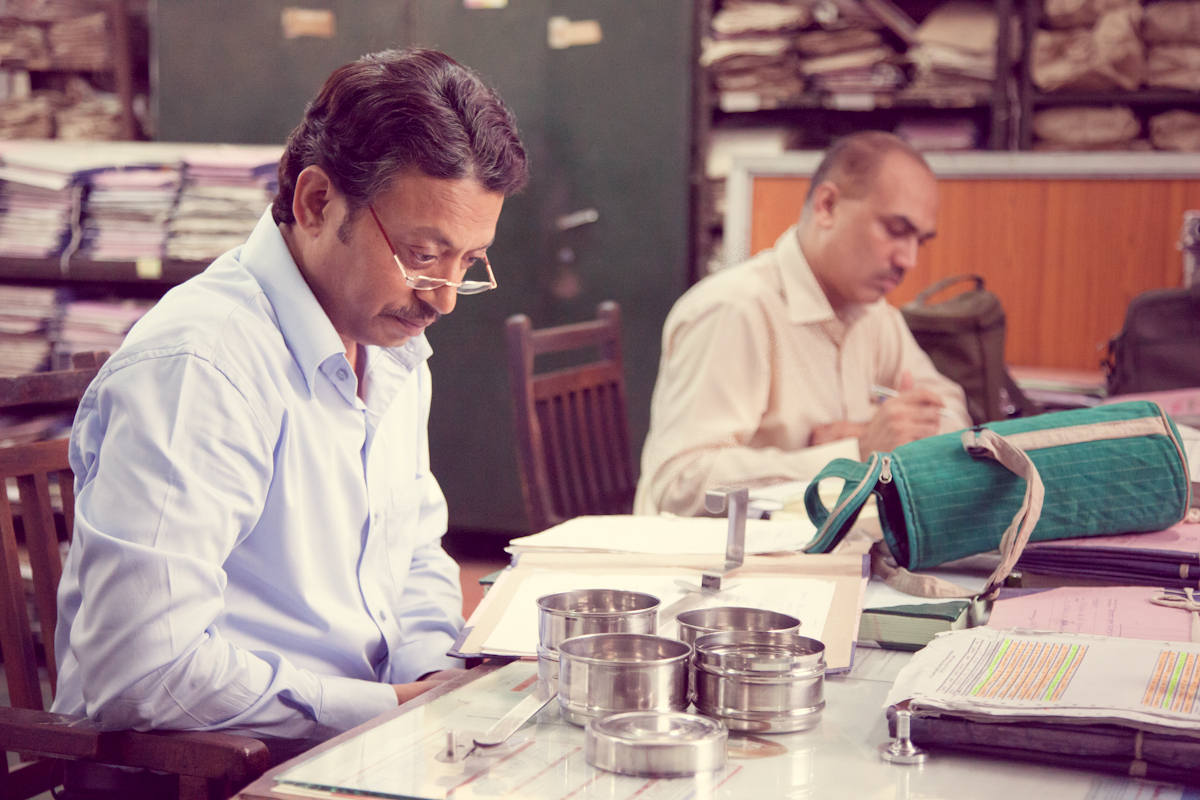
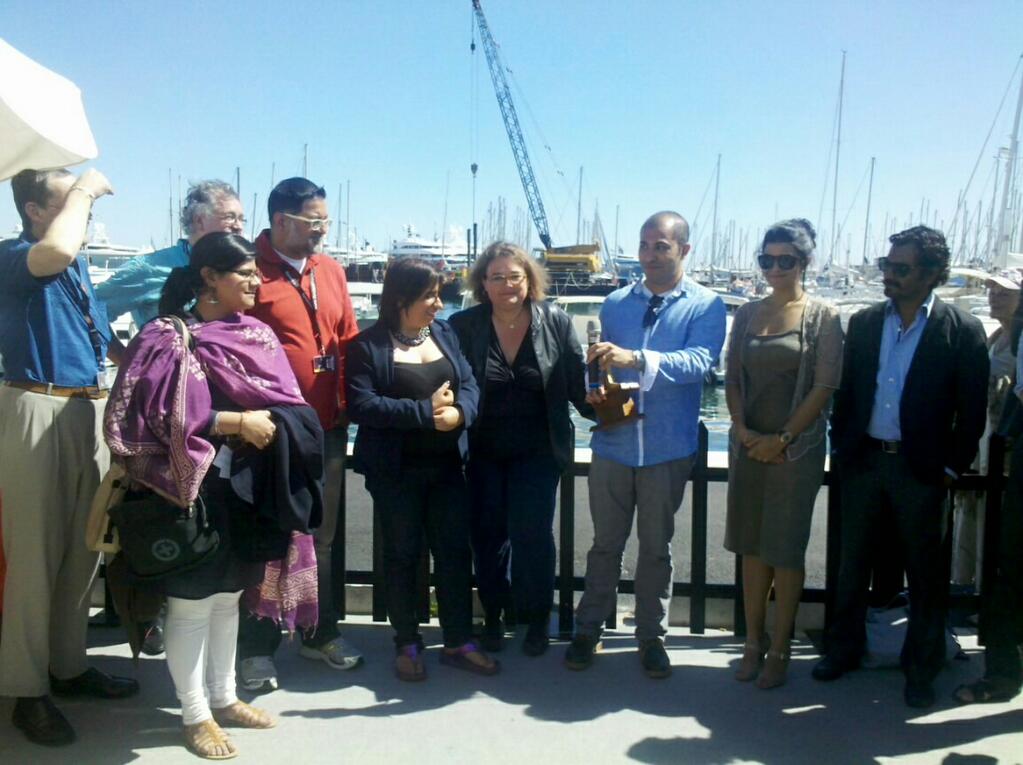
Aha, this is what you call a break out film. First, premiere at Cannes Film Festival in International Critics Week. Followed up by rave reviews. Then the Grand Rail d’Or Award. And now, the big news – Sony Classic Pictures picks up the US rights of the film.

According to this report in Variety,Sony Pictures Classics has acquired all U.S. rights to Ritesh Batra’s feature debut “The Lunchbox”,  a Cannes Critics’ Week standout.

Copy-pasting excerpts from the report…..

Repped by Germany’s The Match Factory, the Mumbai-set crowd-pleaser got a standing ovation following its Cannes unspooling.

At Cannes, SPC also acquired all U.S. rights to Iranian helmer Asghar Farhadi’s Paris-set drama “The Past,” starring Berenice Bejo and Tahar Rahim, which is vying for a Palme d’Or.

SPC has a strong track record when it comes to acquiring foreign arthouse films with strong Oscar potential. Last year, it nabbed Michael Haneke’s “Amour,” which was nominated for five Oscar nods and won best foreign-language film.

Gaul’s Happiness Distribution also picked up ”Lunchbox.” It is one of four Indian entries that bowed at Cannes, which is celebrating 100 years of Indian cinema.

No wonder many critics already termed it as a film with crossover appeal. Click here to read the reviews here.

The Lunhcbox.jpg large

Also, the film recently bagged the Grand Rail d’Or Award at Cannes.  According to DearCinema, since 1995, a group of rail worker film enthusiasts presents the Golden Rail awards to two films in Cannes Critics’ Week: Petit Rail d’Or for best short film and Grand Rail d’Or  for best feature. So it’s kind of viewers choice award.

Written and directed by Ritesh Batra, the film stars Irrfan Khan, Nimrat Kaur, Nawazuddin Siddiqui, Denzil Smith and Bharati Achrekar. To read its official synopsis and full cast/crew details, click here.