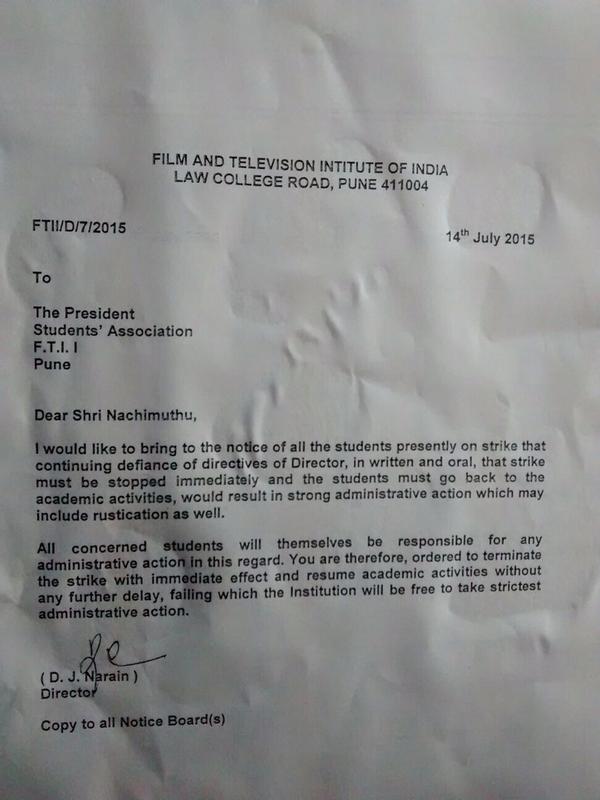
If you are a regular follower of the blog, by now you must be aware of our association with this week’s release, Neeraj Ghaywan’s Masaan. That’s why it’s bit difficult for us to be impartial about it and so we haven’t reviewed the film.

Our friend Avinash Verma has come to our rescue, and hopefully, impartial too. Here’s his post on the film. (Mild SPOILERS)
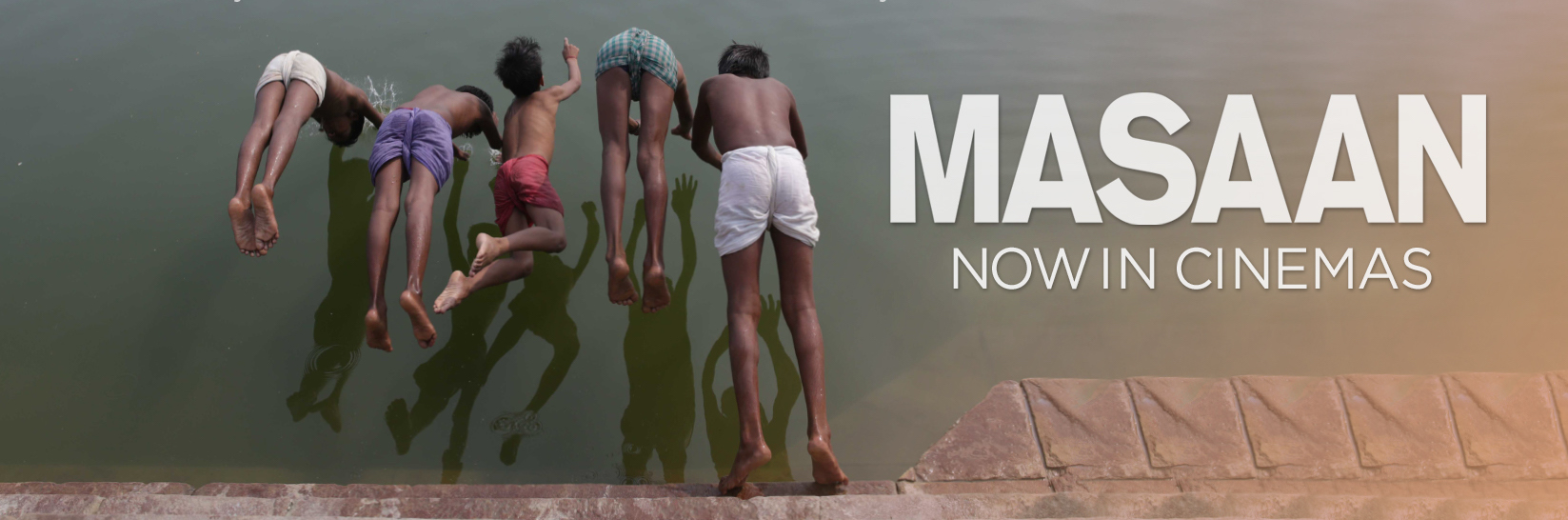
Out now cover

How do you cope with someone’s unexpected loss who you imagined spending the rest of your life with? All those dreams come crashing down, tears pouring through your eyes incessantly for days and months. How hard is it to move on, to Fly Away Solo (which is the English Title of Masaan)

Whose moral is it anyway? Why is sex still a four letter word? Is ‘Jigyaasa mitaana’ (Curbing the curiosity) a sin even when you are a consenting adult? Is the people making love inside a rented hotel room less moral than the ones necking in a public park?

These are some of the questions that this film tries to grapple with. The title ‘Masaan’ means a crematorium, a place where life ends but this ‘Babel-ish’ film is about hopeful happenstances from which life reemerges.

Vidyadhar Pathak is an ex Sanskrit Professor scraping the bottom (of Ganga, quite literally here) to pay off the ransom to a corrupt police officer to prevent his daughter from becoming a YouTube ‘viral sensation’.

The daughter, Devi (Richa Chadha), is a computer teacher who is now looking for an escape from the narrow streets and the equally narrow mindsets of the citizens of Kashi, once the glorious abode of the omniscient sages, now a pit of greedy police inspectors and judgmental, vulgar MCPs.

Deepak, the guy who wants to get out of the rut of crushing dead bodies’ skulls at Harishchandra Ghat falls in love with poetry loving Shaalu (the cherubic debutante, Shweta Tripathi), the youngest one of the upper caste Gupta family who leave no chance to take pride in their family name, even if it is at a random Dhaba on the highway which has absolutely nothing to do with their clan. It might as well be someone way below their caste cooking the food inside the kitchen, but for them, the food is delicious coz the joint is owned by ‘Guptas’ (albeit ‘Salad baasi tha’ coz cribbing is our national pastime)

I wish the Guptas knew this before the tragedy.

 First love is special, for everyone, no matter how long or short does it last & to capture that innocence, charm and hormonal curiosity is what Masaan does exceedingly well. The heart shaped balloons, the glances exchanged in stealth mode, the endless conversations on CDMA phones, the insistence on calling each other ‘Tum’ & not ‘Aap’, the surprise bike/boat rides, the awkward, confusing yet celestial first kiss, the ingenuous gifts, the fights, patch ups and the determination to conquer the world coz she is not afraid to elope with you and you got to be prepared if it ever comes to that.

मैं हूँ पानी के बुलबुले जैसा, तुझे सोचूँ तोह फूट जाता हूँ … That’s exactly how fragile you are when cupid strikes you for the first time.

In ‘As good as it gets’, Jack Nicolson’s character pays a compliment to Helen Hunt’s saying “You make me want to be a better man”. Aren’t all love stories essentially that? The struggle to become a better person because deep down you know that the one who loves you deserves a way better version of you. Deepak’s struggle to become the better man before and after his personal apocalypse is what left me emotionally consumed.

It would have been very interesting the see what would have happened if Deepak-Shalu’s story had moved forward the way we were expecting it to but… well.

The grief is real. Deepak, Devi & Vidyadhar, all three are going through hell & it’s beautifully portrayed by Vicky Kaushal (Whatte brilliant debut!), Richa Chadha & Sanjay Mishra (I felt that Vidyadhar is just an extension of the good natured Babuji from Ankho Dekhi, and that is, IMO, perfect casting). The crying, the silences, the empty gazes into space imagining the various ‘What ifs’, sitting like a zombie in front of a TV that asks you to recognize an actor’s badly morphed face to win a lottery, the yearning for closure, the desperation that lets you risk a child’s life for money, the frustration that makes you smack your daughter and the helplessness that makes you cry in her lap, the uncontrollable wailing in the arms of friends who are clueless how to console you coz they simply don’t know how to and throwing away the things that doesn’t let you let go of the memories of your loved one and then immersing yourself into deep waters to find them back again.

The conflicts are real. The tears are real.

And that’s precisely why you should see Banaras & its four residents via Masaan’s lens. The silences speak volumes and some frames are more eloquent than some films could ever be in their entirety.

Except the oddly convenient intersection of both the narratives at the end, this film, rich with character, atmosphere and superb situational humor, is an extremely self-assured debut (of the director Neeraj Ghaywan, the screenwriter Varun Grover, and the editor Nitin Baid) and has so much to offer that the climax don’t bother you that much.

Bhor’ engulfs you by the time the lights come back in the theatre and all you want to do is to fly away, solo.

PS: Loved the fact that Inspector Mishra had a daughter. Wished that Sadhya ji got more screen time.

(Avinash is an Ex-MICAn. His full time job is to watch movies and in his free time he pretends to be a Digital Marketeer. He loves indie films and likes to be comfortably numb whenever he can. Also, hates all the ads Ranbir Kapoor is in. His earlier post is here.)
बस इतना ही कहना है कि आज पिंजरा खुल रहा है। 3 साल की चप्पल घिसाई, घुड़सवारी, हवाबाज़ी, खुद को बहलाना, आपस में लड़ना, ट्रेनों के दरवाजों पर बैठे गुज़रते हुए गाँवों को देखते हुए किसी उलझे सीन को सुलझाना और ये भी सोचना कौनसा साला ये फिल्म बनने ही वाली है, बार बार बनारस के चक्कर और हर चक्कर में कम लौंगलता खाना ये सोच के कि बनारस तो अभी फिर आना है – के बाद आज सबका कुल जमा देश भर में फैली 240 स्क्रीनों पर टूटते तारों सा बिखर जायेगा।

बस इतना कहना है कि कुछ खास नहीं है कि इस फ़िल्म में अनेकों लोग शुरू से ही जुड़े हैं (मैं, रिचा, अविनाश, नितिन) – नाबालिग़ उमर के आशिकों की तरह – कई फ़िल्मों में जुड़े होते हैं। लेकिन ये खास है कि उनमें से बहुतों की ये पहली फ़िल्म है – नीरज घायवान, नितिन बैद, श्रुति कपूर, विक्की कौशल, श्वेता त्रिपाठी, और एक तरह से मेरी और अविनाश अरुण की भी। पहली फ़िल्म का नशा एक ही बार होता है, यही नियति है। पहले चुम्बन की तरह। ठीक से समझ भी नहीं आता कि हो क्या रहा है पर बहुत डिवाइन लगता है।

पूरी याद्दाश्त और पूरी कायनात मिटा के फिर शुरू करनी पड़ेगी अगर पहली फ़िल्म का कष्ट-रूपी आनंद दोबारा लेना है तो।

और जाते जाते बस इतना ही कहना है जो एक बार संजय मिश्रा जी ने कहा था – उम्मीद तो अपने बच्चों से भी नहीं करनी चाहिए, तो फ़िल्म से क्यों करें। रिव्यूज़ सुंदर आ गए हैं, कुछ शहरों में लग गयी है शिवजी की कृपा से, मार्केटिंग का खेला अपनी गति और दशा से चल रहा है, और ले-देकर फ़िल्म अब हमारे हाथ से गैस से टंच भरे गुब्बारे की तरह छूट चुकी है।

बचपन में जितना मज़ा गुब्बारे को हाथ में धागे से लपेटे रहने पर आता था, उतना ही उसे छोड़ देने पर भी। एक बार दुःख होता था – बिदाई हमेशा कठिन होती है – लेकिन एक अजीब सी खुशी भी ये देखकर कि वो उड़ा जा रहा है दूर किसी ऐसे आसमान जहाँ हम कभी नहीं जा सकते।

आँख से ओझल होता हुआ… बड़ा सा गुब्बारा जो हमारे हाथ में था अब एक बिन्दु से भी छोटा। आँख बस एक बार हटाई और ग़ायब!

– वरुण ग्रोवर

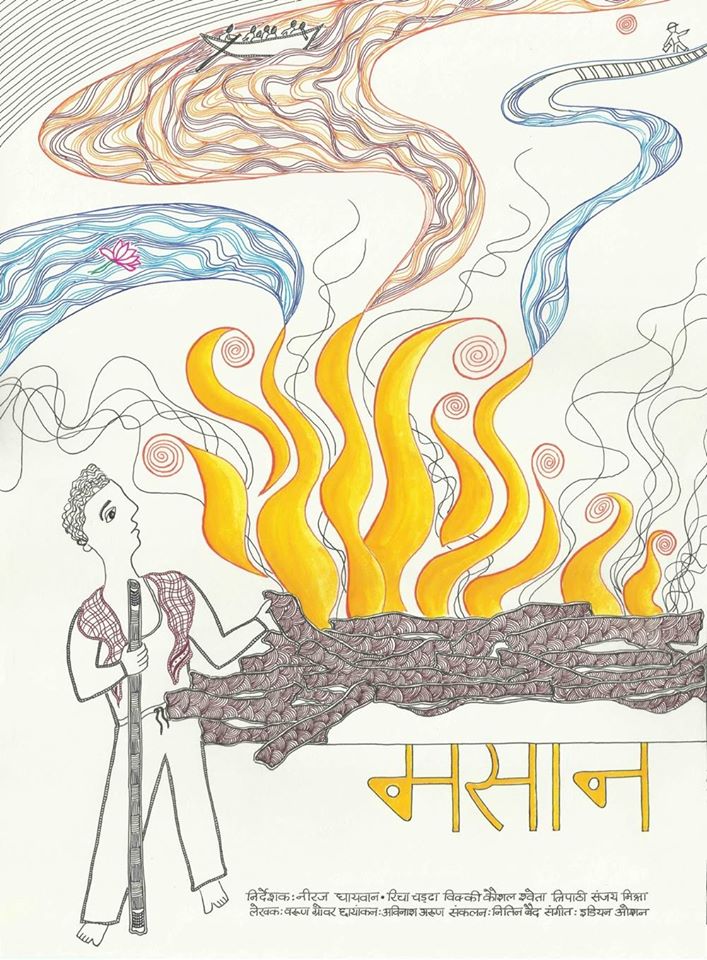
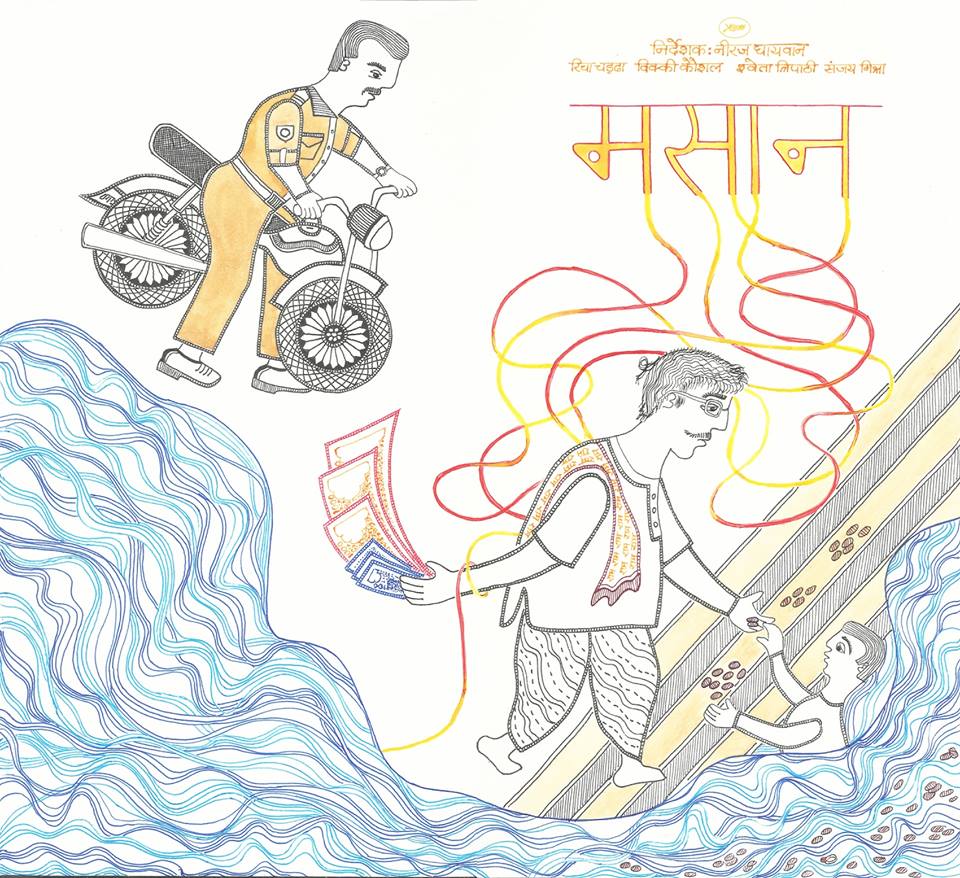
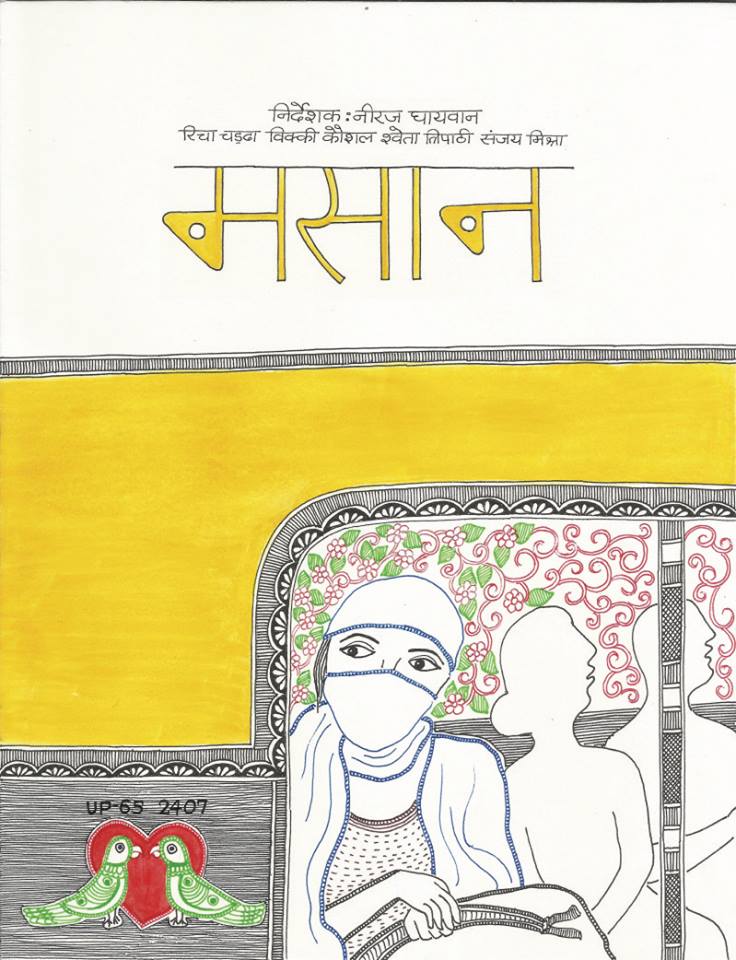
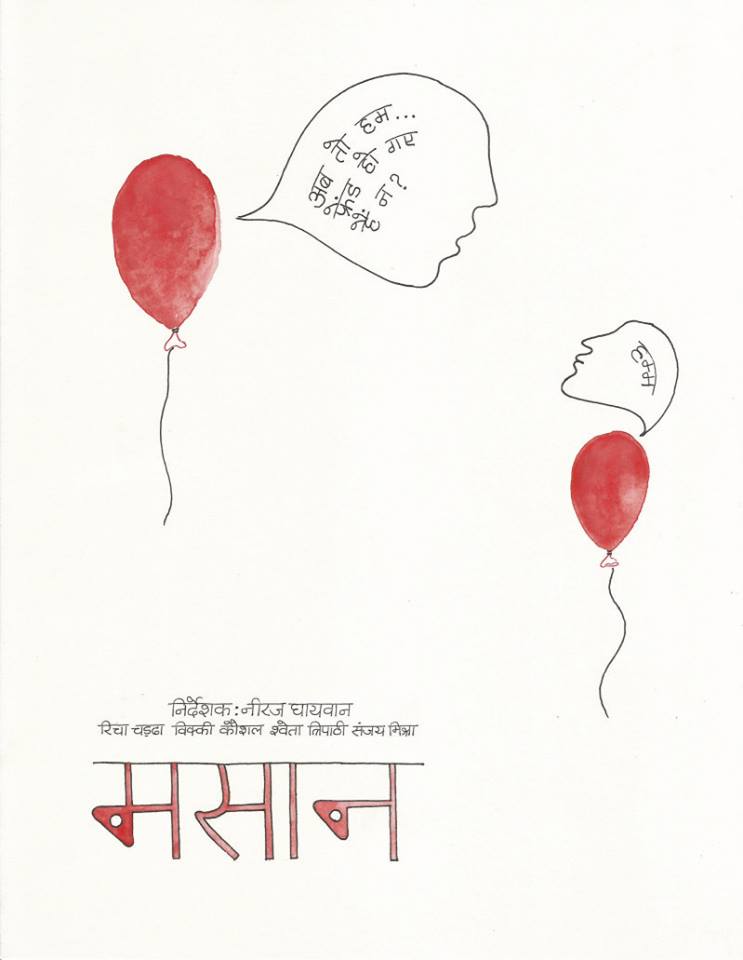
(“Our Roger Ebert wins Pulitzer” – Remember that image of Ebert holding the newspaper with this headline? No? Here.  I always thought what immense pride that one word “our” must have added. Similarly, it’s time for us to say Masaan is by “OUR” Neeraj Ghaywan and Varun Grover. Do watch it in theatres. It’s limited release but if you try, you can manage for that odd show timing too. This one deserves that little effort. Also, we are posting here 4 beautiful posters sketched in Madhubani style by Grover’s better half, Raj Kumari.)

11403304_10153027989028519_274005706767931772_n

11781846_10153030045268519_1740537122823204936_n

10688002_10153032857198519_1138549163215623890_o11745675_10153037711348519_4216324851762506632_n

Avinash Arun, the DoP of Neeraj Ghaywan’s ‘MASAAN’ and the Director/DoP of much acclaimed (and super-hit) Marathi film ‘Killa’ is a hardcore instagrammer, always clicking whatever catches his attention. Most of the times, it’s the nature or the mundane that makes a city.

And when that city is Banaras – even the mundane becomes stunning!  Check out these 22 shots by Avinash Arun, clicked during the months of October and November 2014, while shooting ‘Masaan’ in Banaras and Allahabad.

(Click on any image to start the slide-show. Move your cursor on the pics to get details)

Phantom Films Is Looking For Horror Stories

Posted: July 20, 2015 by moifightclub in bollywood, film, News
Tags: ,

11223492_1045243058838559_5735304794109612467_n

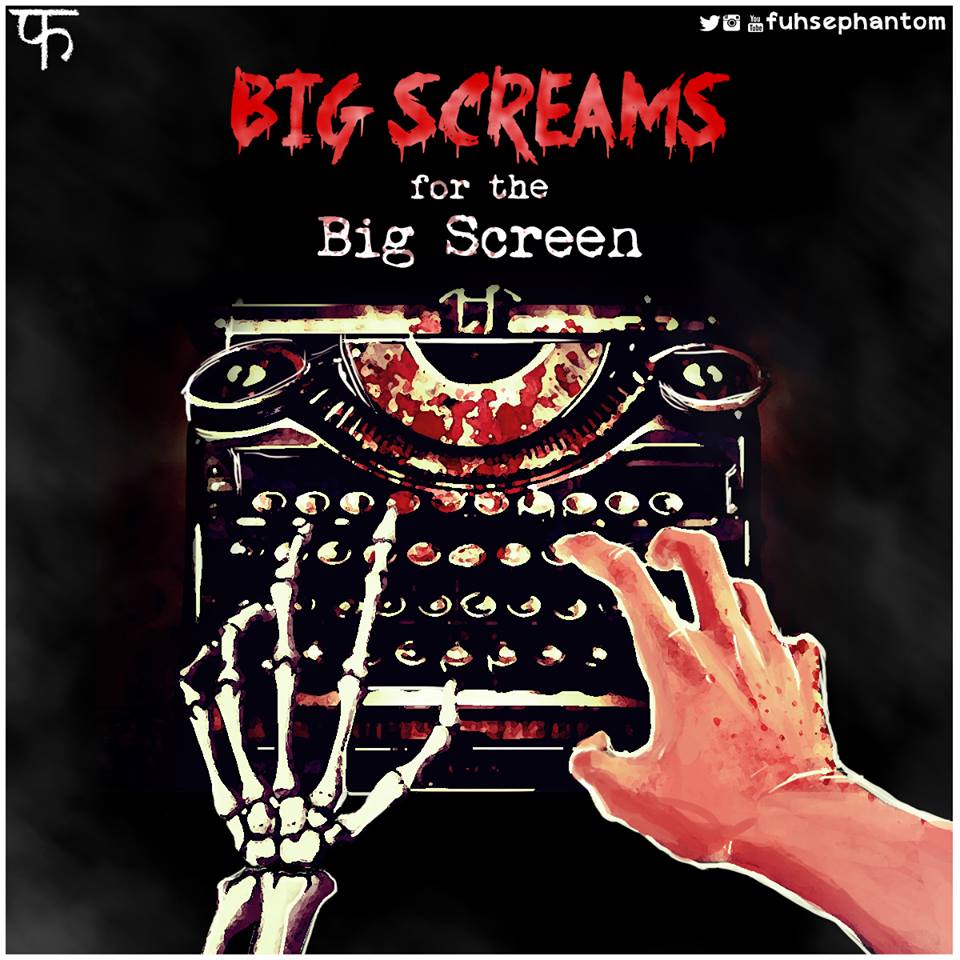
Phantom Films is looking for Horror stories. It shared the news on its FB/Twitter timeline.

Phantom is looking for stories, scripts, treatments or even scriptwriters in the horror genre – the scarier the better!

We’re not afraid, so you shouldn’t be either!

Send your scripts/ideas to: horror@phantoms.in

So all those who keep complaining about having not enough opportunities to break into bollywood, here you go.

Their FB page is here. Twitter handle is here.

Since his commercial and critical hit Kahaani in 2012, Sujoy Ghosh has been missing in action. But here’s a pleasant surprise – he has directed a 14-minute short as part of Large Short Films.

Starring Soumitra Chatterjee, Tota Roy Chowdhury and Radhika Apte, this one is a smart spin on the story of Ahalya. Do watch.

If you didn’t notice, the names of the characters also gives you ample hit. And if you are still confused about the spin, click here to read the Ahalya’s story.

Raam Reddy’s directorial debut, Thithi has been selected for the prestigious Locarno International Film Festival. Also, this marks the end of a dry spell of eight years since an Indian film made it to the competitive section at the fest. This year’s edition of the festival will take place from August 5 – 15, 2015.

Thithi will be presented in the Concorso Cineasti del Presente (Filmmakers Of The Present) section and will be competing for the Pardo d’oro Cineasti del presente – Premio Nescens at the festival. This section features 14 films this year.

Last year, the Kannada-language film was selected for the Work-in-Progress Lab at the NFDC Film Bazaar where it was declared the Best Work-in-Progress Fiction Feature.

The film is a dramatic comedy about how three generations of sons react to the death of Century Gowda, their great grandfather, who is a locally renowned, and is a highly cranky 101-year-old man. Set in a village in the Mandya District of Karnataka, the three storylines intertwine before converging at Century Gowda’s thithi, the final funeral celebration 11 days after a death.

Shot in the Mandya district of Karnataka, this was co-written and developed along with Eregowda, who spent most of his childhood in the same village that the film was shot in. The cast of the film comprises of completely non-professional actors.

Filmmaker Raam Reddy is a graduate of St. Stephen’s College, Delhi and Prague Film School. Previously, he directed a critically-acclaimed short film called Ika (Feather). He has also published a novel titled It’s Raining in Maya.

Anurag Kashyap’s Bombay Velvet will also have its screening at the festival.

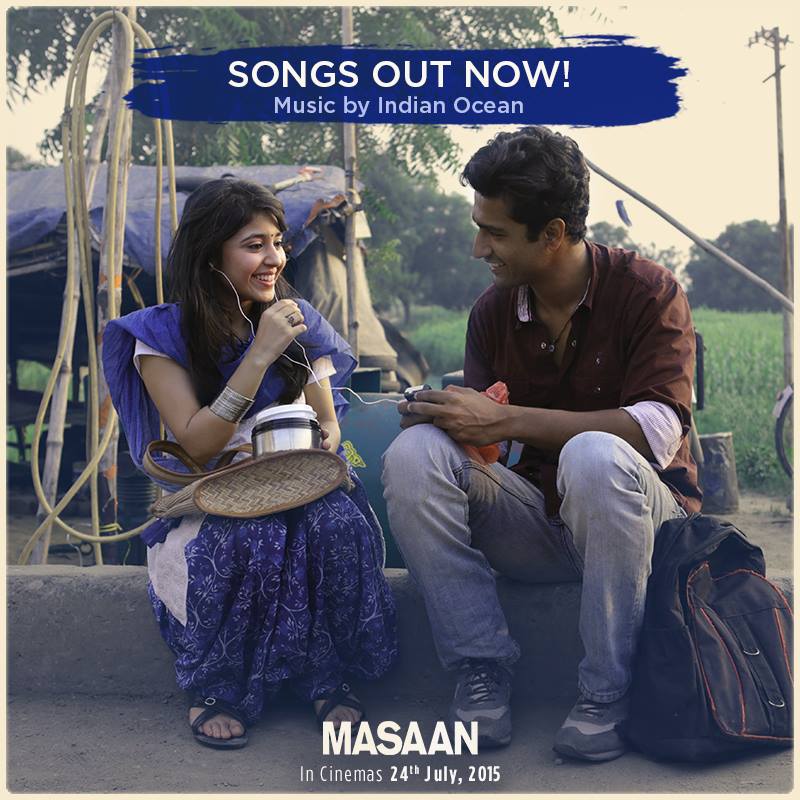
Masaan Music

Neeraj Ghaywan‘s FIPRESCI winner at Cannes 2015, MASAAN releases in India on 24th July. Here, film’s screenplay writer and lyricist Varun Grover talks about the music of the film.

**********

Masaan  is the most difficult music album I have worked on till now. It has just 3 songs, out of which one (‘Bhor‘) is written by Sanjeev Sharma, and still the amount of distress and self-doubt I went through figuring out the lyrics for the other two was more than me and Sneha Khanwalkar felt on the mammoth ‘Gangs of Wasseypur’ album.

Prime reason was the burden of being the writer of the film as well and hence this feeling that lyrics in this film should be ‘extra-special’. As I said elsewhere, “Jab halwaayi ke ghar mein hi shaadi ho toh mithaayi se expectations unreal ho jaati hain aur halwaayi ki zindagi haraam ho jaati hai.’

This self-doubt also made the choice of a music director for the film difficult and after meeting some really worthy composers, we decided to request Indian Ocean to come on board.

1. Tu Kisi Rail Si

As I was low on confidence and the film has an element of poetry (Shweta Tripathi’s character is a shaayari-fan), we thought of using some existing Hindi poetry for the love song. One poem by Uday Prakash saab (Kuchh bann jaate hainI loved in particular and we shared it with Indian Ocean who gave us strange looks as it’s in Mukd Chhand and nearly impossible to compose.

Then suddenly, these lines by Dushyant Kumar saab came back to me and I knew we have a starting point. I had heard these lines first many years ago at an informal kavi sammelan at a friend’s wedding in Lucknow. (Haan ji, Lucknow mein shaadiyon mein bhi kavi-sammelan hota hai.)

I wrote the rest of the lyrics, taking the first two lines from Dushyant Kumar’s ghazal ‘Main jise oadhta bichhaata hoon‘. After many tunes by Indian Ocean, we finally arrived at a consensus on one based on the footage, tempo, tone, and rhythm of the song. Since the footage was already shot and it had to be a celebratory number, these criteria were necessary to be fullilled.

We also got to meet Dushyant saab’s wife (Rajeshwari ji) and his son Aalok Tyagi ji who by a huge stroke of luck happened to live right across our editing studio in Versova! They gave us permissions and blessings for the song.

Dushyant Kumar ji

Swanand Kirkire recorded it in his grainy voice and we had our song ready.

Lyrics: 

Mukhda
Tu kisi rail si guzarti hai
Main kisi pull sa thartharaata hoon
Tu bhaley ratti bhar na sunti hai,
Main tera naam budbudaata hoon.
Kisi lambe safar ki raaton mein,

tujhe alaav sa jalaata hoon.

Antara

Kaath ke taaley hain,
aankh pe daale hain,
unmein ishaaron ki chaabiyaan laga.
Raat jo baaqi hai,
shaam se taaki hai,
neeyat mein thodi kharaabiyaan laga.
Main hoon paani ke bulbuley jaisa,

tujhko sochoon toh, phoot jaata hoon.

*********

*********

2. Mann Kasturi Re

If the first song killed us, the second one did it twice over. This song is supposed to be the soul of the film, the theme that connects all the stories and characters which meant ‘Anthem jaisa kuchh chaahiye‘. Another problem was that the reference track on the footage was ‘Aik Alif‘ from Coke Studio Pakistan and it was too overwhelming a track to compete with.
For this one too, my first instinct was to run away and leave the job to some great. So we chose Nazir Akbarabaadi’s ‘Banjaranama‘ and Indian Ocean did a fantastic job of composing it into a stunning anthem. The only problem – the tempo of the footage was on another level. Marta kya na karta, I had to step in and attempt writing new words.

Like it happens most of the times, difficult to tell how/when this phrase ‘Mann Kasturi‘ popped in my head but the rest of the song became easy after that. Kabir and Banaras were constant in my head while writing it.

Lyrics

Mukhda

Mann kasturi re,
jag dasturi re,
baat huyi naa poori re!
Khoje apni gandh naa paave,
chaadar ka paiband naa paave,
bikhre bikhre chhand sa tahale,
dohon mein ye bandh na paave.
Naache ho ke phirki lattu,
khoje apni dhoori re,

Mann kasturi re!

Antara

Umar ki ginti haath naa aayi,
purkhon ne ye baat bataayi,
Ulta kar ke dekh sake toh,
Ambar bhi hai gehri khaayi.
Rekhaaon ke paar nazar ko,
Jisne phenka andhe mann se,
Satrangi bazaar ka khola,
Darwaaza phir bina jatan ke!
Phir toh jhooma baawal ho ke,
Sar pe daal fitoori re

Mann kasturi re!

For lyrics in Devnagari, click here.

Full album here:

With the Government in no mood to replace Gajendra Chauhan, FTII has now gone ahead with a strict warning to the students. The Director of the institute has issued a notice to the students asking them to stop the strike or face severe consequences. This is so weird and wrong at so many levels, especially when so many film talents across the board and alumni of the institute are also backing the students demands.

CJ98aiFVEAAf6dN

Oscar and BAFTA Award winning sound designer Resul Pookutty was among those who criticized the latest move by FTII.

11254134_1613812798858597_8819805450063716450_oWe have yet again communicated with the I&B ministry to open a second round of discussion. A letter was sent yesterday, to which we are yet to receive a response. Meanwhile, many claims and counter claims are being made with respect to FTII, the students and the academic culture of the Institute. With no communication coming forth from the ministry, it becomes imperative to clear air of speculations and faulty, misunderstood facts, and provide context to the allegations made. For without perspective, they are no better than half-truths.

Backlogs:

The alleged backlogs of certain batches is not a recent phenomenon but a result of government policies imposed on the institute from 2004-05. To quote Mr.Pankaj Rag, IAS officer and former Director of FTII (2008 – 2011), “….In 2004-05 eight new short term courses were started, and that suddenly increased the number of students. The Supreme Court ruling regarding the increase of reservations quota also added to the number of students. Despite this rise in the number of students the infrastructure and human resources of the institute were not increased and upgraded, which should have happened simultaneously…”

Adding to that, earlier the three-year course for the four main disciplines of film-making – Direction, Cinematography, Editing and Audiography, catered for 8 students per department. As of now there are 14 students per discipline and for some batches the figure rises to 16. Hence more number of student films is being made per year without adequate infrastructure support. This obviously leads to delay as students helplessly wait for the equipment and infrastructural support to be available.

Also in the recent years, within the practice of film-making, the technology has rapidly shifted from analog to digital. While earlier we used film negative rolls to shoot films, now the practice is to use digital cameras and equipment. With this shift, the accompanying upgradation in skills of faculty and staff vis-a-vis these new technologies was not undertaken. Apart from a few short workshops by experts from the industry, no effort has been made to offer an in-depth, holistic training to the students. Hence we are left to our own means to learn and use this equipment. This is a major reason for delays in completion of students’ projects.

Infrastructure crunch adds to our woes. There is only one Sound mixing studio for all the projects happening on campus. So, while the projects are shot on time, at the post-production stage students have no option but wait for a previous project to close. Why are students alone being blamed for the delays? Why would Post-Graduate level students extend their courses and compromise on the productive years of their lives? Without understanding the real day-to-day problems, faced by a student on this campus, allegations regarding our conduct and academic sincerity are misinformed and conveniently hide various Governments’ repeated apathy towards the Institute.

Number of Strikes

Here we reiterate the need to discern the difference between a protest and a strike. FTII, we repeat has not witnessed 39 strikes. The number is preposterous. We ask those who make such allegations to back their claims with evidence. To our knowledge, as per official records FTII has seen 32 protests and six strikes till date, the current strike being the seventh in number. Also, it’s important to get a perspective on the reasons for the strikes called in the past. The first strike was called in 1971 to protest changes in course structure and syllabus. In 1979 strike was called against the decision to discontinue the acting course which took another 28 years to restart. All the following strikes in 1984 – against administrative issues, in 1989 – against syllabus change and director’s apathy, 1994 – proposed syllabus and privatization, 2001 – against fee hike and revised course structure, points less towards restless students and more towards successive governments’ lack of commitment and vision to address recurring systemic issues. It also highlights a historic oversight, repeated till date- syllabus and academic changes made without accounting for the needs, aspirations of students along with a lack of pedagogic vision for the study and practice of film making.

This has led to the present scenario where on paper, even in an ideal situation, second and third year syllabi and projects cannot be completed within a year. A knee-jerk solution to this is repeatedly offered in ways that dilute course inputs and project based practice to fit the three year time frame. However, constructive suggestions to revitalize the syllabus, teaching approach and quality of inputs are not taken into account. Dilution rather than dedication seems to direct education policy approach.

After sixty years of independence, students are still not considered important stakeholders and therefore collaborators in devising education policies. Why such a top down approach? How can a young India bear the burden of such old values?

Tax Payer’s Money:

Comparing the functioning of FTII to that of an IIT, IIM or Medical college is both unfair and misleading. All four institutes cater to different academic and professional pursuits. In FTII students are required to make films using state-of-the-art technology that is in accordance with standards followed across the world. These equipments are manufactured outside the country and cost per unit is high. For example, one Arri Alexa camera used to shoot student projects cost between one to two crores, this includes cost of lenses and other accessories. This very camera is hired out for Rs. 25000-30000 per shift of 8 hours. Similarly other equipment like the sound recording devices, studio lights, post production software and hardware, used throughout the process of making a film are expensive. Hence film-making is resource heavy. So the alleged amount a Government spends per student must be understood in this context, of many students sharing limited resources.

Per batch FTII trains around 60 students in the 5 main disciplines of film-making. Acting enrolls another 12 students. An IIT trains, on an average, 500 students per year. Comparisons made to compare per student expenditure in the two institutes are misleading as nature of resources needed are different.

Here we humbly ask the government to provide a concrete break down of the alleged 12 lakhs being spent on each student because our daily struggle with diminishing academic resources point to the opposite. We indeed want more transparency to locate where the funds are going?

Also, the government grants FTII about 20 crores per year. Whereas IIT Guwahati gets Rs.110crores and IIT Bombay gets Rs.100crores. Then is the current debate about whether arts are as relevant as science and technology, to a country like India. Isn’t it the duty of any responsible and progressive government to equally support the arts and crafts of a country? How can the plural fabric of our nation and culture be democratically represented without patronage of the various arts and crafts, whether it be classical dance, music, folk art or cinema.

In fact, for a country so zealously building its international reputation, cannot afford to ignore the appeal and soft power of its cultural art forms and cinema. Delegations and heavy dossiers don’t win over as convincingly as simple yet powerful truths; art has the power to communicate. Therefore, the recent tarnishing of FTII’s image is short-sighted and regrettable. An institute that is a cultural asset for this country both nationally and internationally is being asked to justify its very existence. And, above all these facts, the government should take note on one thing that any forms of art cannot be quantified in material terms.

In this regard, the cut in allocations to education and heath from the GDP is a step that retreats than fosters growth. As repeatedly mentioned by renowned economists, education is the building block of any nation that aspires to be developed. A strong nation needs strong and empowered citizens.

Students’ Association, FTII

FB Page is here.

11221886_10154045180829863_6005978746482162900_nAcclaimed production designer Samir Chanda made his directorial debut with a Bengali film titled Ek Nadir Golpo (Tale Of A River). The film stars Mithun Chakrabaorty, Shweta Prasad and Jisshu Sengupta. It’s an adaptation of a short story by well known Bengali writer Sunil Gangopadhay.

Unfortunately, because of his untimely death in 2011, he could not see the release of the film.

Now, his son Sandeepan Chanda shared the good news about its release on a FB post.

So here is a little story for those who might not know about it.

Back in 2006, my father decided to take a break from being a production designer and make his directorial debut. He chose to adapt a small Bengali story he had read and was deeply moved by when he was in his college days. After borrowing money from his friends and also putting in all his savings, he jumped head first into the project. We all became involved in it, all his family members, most of his friends and then by his sheer enthusiasm and passion, we finished the film a year later. It went on to be screened at various prestigious film festivals and was critically lauded by all. He now only needed to share his labor of love with the audience.

But unfortunately he struggled to find a distributor/exhibitor who would buy the film and release it in theaters. A struggle that went on for the next four years before his untimely death in 2011. His wish remained unfulfilled.

My mother then took on the responsibility to shop the film to various production companies and distributors. And now because of her persistence and having the patience to endure smaller setbacks, the film, 8 years after being filmed, is all set to release in theaters on 14th of August, this year. A dream which started with my father, soon became ours and is now on its way to become a reality.

‘Ek Nadir Galpo – Tale of a River’
A film by – Samir Chanda

Trailer

Crew

Produced by Leela Chanda & Kaustuv Ray

Screenplay, Dialogues & Direction : Samir Chanda

Executive Producer : Chintu Mohapatra & Sanjay Pathak

Lyrics & Music : Nachiketa

DOP : Rajen Kothari

Editor : Sanjib Dutta

Trailer/Making : Subrata Dey, Debashis Mondal