Archive for April, 2013

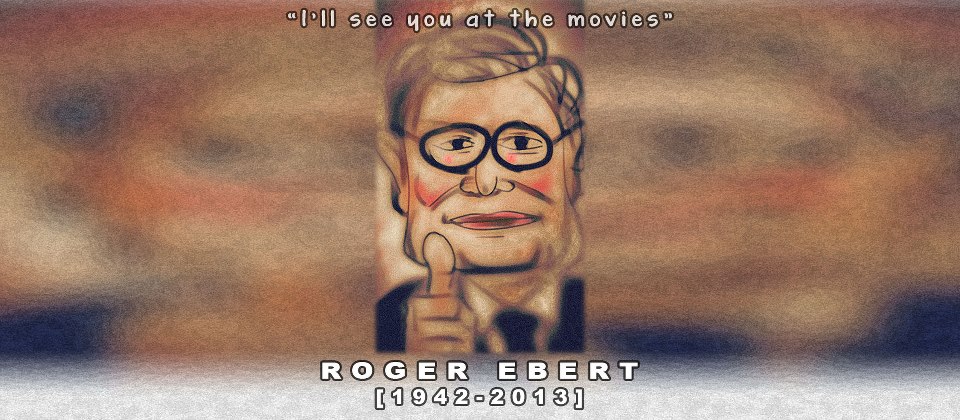
Roger EbertTalking about Roger Ebert, or Ebert saab, as i like to call him, you wonder where to start. It’s quite a daunting task. In the last few years whenever i have read anything written by him, i have always wondered only one thing – how much he writes? No, really – HOW MUCH HE WRITES? He doesn’t eat, drink, or speak, but he keeps on writing – reviews, blogs, books, tweets. No wonder he has left behind such a huge legacy for cinema lovers. Google him and you will get to read so many great articles about him. Search on youtube and there’s so much to watch – him, his shows, interviews, appearances.

With twitter, a different kind of fun began. He never replied to me but you could tag him, tweet to him and troll him. Many times people told me to that look at the old man, how can you troll him? But I always looked at it him in a different way. Why should we have “old-man-who-cant-eat-cant-drink-cant-talk-bechara” attitude towards him? Let’s look at him “normally”. The way we behave with anyone else whom we respect. Am sure he didn’t mind because he also behaved in a similar way – to make it look all normal. Like us, he would happily keep on trolling Mitt Roney non-stop for many days. Once he even tweeted a link to the piece which blamed him for killing film criticism. Like his “your movie sucks” posts, his tweets were fun and snarky. And sometimes controversial too. Aha, he was just like us. At least on twitter. Oh, and like us he pissed off many people too. Remember this post?

I don’t exactly remember when and how i started following his reviews but it’s surely been many many years ago. Though ironical that this blog is named after one of the movies that he never liked. And he kept defending his stand many years later too. I often wondered why, and trolled him every time he wrote or mentioned something about Fight club. A great movie is worth a good fight, right? At least a twitter fight.

Over the years i realised that when he wrote about his life, or life in general, that’s where you could see the real magic in his writing. Things that you have observed, experienced, but could never articulate in words, he did that with much ease and in simple words. And maybe that’s why his reviews had the rare quality of “empathy”. Someone who could sense something so profound in mundane things, how could he not sense that in cinema. “Perceptive” could easily be his middle name.

I also noticed that he always kept the best lines for his last para. Sometimes the review would read like a fairly simple one – the plot, what’s good, what’s bad, and then he would sum it up with a statement that will keep you hooked. You keep on going back to those lines in every discussion about that film. Something that other reviewers rarely managed. It’s like putting a human face to the review. And then sitting close to him, holding his pulse like a good doctor, looking into his eyes, and telling him that let the world misunderstand you, i got you. So am going to quote some of his last lines/para from some of my recent favourite films which have stayed with me for a long time. All because of that humanist touch.

As a friend struggles to come to terms with his abrupt separation and tries to find a reason to justify it, the last two lines of Blue Valentine review never sounded so true.

I wonder what kind of script conferences Cianfrance had with his co-writers, Joey Curtis and Cami Delavigne. They were writing about something ineffable, a void, a need. This wasn’t a story with convenient hooks involving things like, you know, disease — things stories are familiar with. It was about inner defeat and the exhaustion of hope. I’ve read reviews saying Cianfrance isn’t clear about what went wrong as they got from there to here. Is anybody?

From We Need To Talk About Kevin

Eva often looks like she’s in a state of shock. Her body can’t absorb more punishment. She is the wrong person in the wrong life with the wrong child. Is her husband as zoned out as he seems or is that only her perception? As a portrait of a deteriorating state of mind, “We Need to Talk About Kevin” is a masterful film. Swinton told me of a line in the script that wasn’t used, wisely, I believe. After you see the film, think about it. She asks Kevin why he didn’t kill her. His reply: “You don’t want to kill your audience.”

The pure epic last line from Jero Dreams Of Sushi review

Standing behind his counter, Jiro notices things. Some customers are left-handed, some right-handed. That helps determine where they are seated at his counter. As he serves a perfect piece of sushi, he observes it being eaten. He knows the history of that piece of seafood. He knows his staff has re??cently started massaging an octopus for 45 minutes and not half an hour, for example. Does he search a customer’s eyes for a signal that this change has been an improvement? Half an hour of massage was good enough to win three Michelin stars. You realize the tragedy of Jiro Ono’s life is that there are not, and will never be, four stars.

And that simple and profound statement for Herzog in “Into The Abyss” review

Opposition to the death penalty, in part, comes down to this: No one deserves to be assigned the task of executing another person. I think that’s what Captain Allen is saying. Herzog may agree, although he doesn’t say so. In some of his films he freely shares his philosophy and insights. In this film, he simply looks. He always seems to know where to look.

From   Drive review

An actor who can fall in love with a love doll and make us believe it, as he did in “Lars and the Real Girl” (2007), can achieve just about anything. “Drive” looks like one kind of movie in the ads, and it is that kind of movie. It is also a rebuke to most of the movies it looks like.

From Inception review

The movies often seem to come from the recycling bin these days: Sequels, remakes, franchises. “Inception” does a difficult thing. It is wholly original, cut from new cloth, and yet structured with action movie basics so it feels like it makes more sense than (quite possibly) it does. I thought there was a hole in “Memento:” How does a man with short-term memory loss remember he has short-term memory loss? Maybe there’s a hole in “Inception” too, but I can’t find it. Christopher Nolan reinvented “Batman.” This time he isn’t reinventing anything. Yet few directors will attempt to recycle “Inception.” I think when Nolan left the labyrinth, he threw away the map.

From Revolutionary Road

The direction is by Sam Mendes, who dissected suburban desperation in “American Beauty,” a film that after this one seems merciful. The screenplay by Justin Haythe is drawn from the famous 1961 novel by Richard Yates, who has been called the voice of the postwar Age of Anxiety. This film is so good it is devastating. A lot of people believe their parents didn’t understand them. What if they didn’t understand themselves?

From Man Push Cart review

Bahrani was inspired by “The Myth of Sisyphus,” by Albert Camus, the story of a man who spends his life pushing a rock up a hill, only to see it roll down again, and only push it back up again. Well, what else can he do? “Man Push Cart” is not an indictment of the American economy or some kind of political allegory. It is about what it is about. I think the message may be that it is better, after all, to push the cart than to face a life without purpose at the bottom of the hill.

From About Schmidt review

“About Schmidt” is billed as a comedy. It is funny to the degree that Nicholson is funny playing Schmidt, and funny in terms of some of his adventures, but at bottom it is tragic. In a mobile home camp, Schmidt is told by a woman who hardly knows him, “I see inside of you a sad man.” Most teenagers will probably not be drawn to this movie, but they should attend. Let it be a lesson to them. If they define their lives only in terms of a good job, a good paycheck and a comfortable suburban existence, they could end up like Schmidt, dead in the water. They should start paying attention to that crazy English teacher.

From The Savages

“The Savages” confronts a day that may come in all of our lives. Two days, actually, the first when we are younger, the second when we are older. “The Ballad of Narayama,” a great Japanese film, is about a community that decides when a person has outlived any usefulness and leaves that person on the mountain to die. It seems cruel, but even the dying seem to think it appropriate. Better that, after being healthy and strong once, than to be reduced to writing on walls with excrement.

Lars And The Real Girl

How this all finally works out is deeply satisfying. Only after the movie is over do you realize what a balancing act it was, what risks it took, what rewards it contains. A character says at one point that she has grown to like Bianca. So, heaven help us, have we.

 If we can feel that way about a new car, why not about a lonely man’s way to escape from sitting alone in the dark?

The Squid and the Whale review

These kids will be okay. Someday Bernard and Joan will be old and will delight in their grandchildren, who will no doubt be miserable about the flaws and transgressions of Walt and Frank, and then create great achievements and angry children of their own. All I know is, it is better to be the whale than the squid. Whales inspire major novels.

There are many such other reviews with some great lines. These were just few of those which were on top of my mind. If you got a favourite one, do post it in the comments section.

And talking about last few lines, let me end this post with last lines from his essay on Death which he wrote for Salon. He surely knew it all – life, cinema, and his death too. It’s eerie. You can read the entire piece here.

Someday I will no longer call out, and there will be no heartbeat. I will be dead. What happens then? From my point of view, nothing. Absolutely nothing. All the same, as I wrote to Monica Eng, whom I have known since she was six, “You’d better cry at my memorial service.” I correspond with a dear friend, the wise and gentle Australian director Paul Cox. Our subject sometimes turns to death. In 2010 he came very close to dying before receiving a liver transplant. In 1988 he made a documentary named “Vincent: The Life and Death of Vincent van Gogh.” Paul wrote me that in his Arles days, van Gogh called himself “a simple worshiper of the external Buddha.” Paul told me that in those days, Vincent wrote:

Looking at the stars always makes me dream, as simply as I dream over the black dots representing towns and villages on a map.

Why, I ask myself, shouldn’t the shining dots of the sky be as accessible as the black dots on the map of France?

Just as we take a train to get to Tarascon or Rouen, we take death to reach a star. We cannot get to a star while we are alive any more than we can take the train when we are dead. So to me it seems possible that cholera, tuberculosis and cancer are the celestial means of locomotion. Just as steamboats, buses and railways are the terrestrial means.

To die quietly of old age would be to go there on foot.

That is a lovely thing to read, and a relief to find I will probably take the celestial locomotive. Or, as his little dog, Milou, says whenever Tintin proposes a journey, “Not by foot, I hope!”

@CilemaSnob

Image

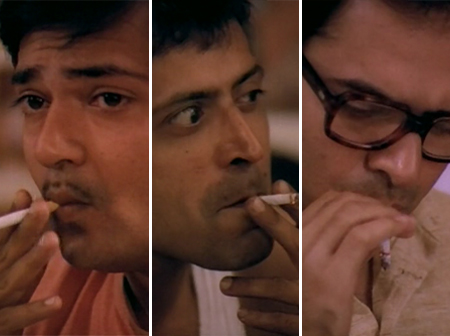
कल चश्मे-बद्दूर देखी. असली वाली. सई परांजपे, फारुक शेख, राकेश बेदी, रवि बासवानी, विनोद नागपाल, सईद जाफरी, और (बे-इन्तहा सुन्दर) दीप्ति नवल वाली. दिल, दिमाग, और सिगरेट वाली. और इतना मज़ा आया जितना पिछले कई सालों में किसी हिंदी कॉमेडी फिल्म में नहीं आया.

बहुत से लोग कहेंगे वो इसलिए क्योंकि ये ईमानदारी से बनायी हुयी सीधी-सादी फिल्म है. लेकिन मेरे हिसाब से इसमें सिर्फ ईमानदारी, सादगी, और nostalgia जैसे कारण उठाकर फिल्म की तारीफ़ करना ज्यादती है. फिल्म में भर भर के craft और writing का जादू है. बहुत ही progressive, contemporary, और smart film है.  2013 में भी. फिल्म का पहला सीन ही – जिसमें एक जलती सिगरेट एक हाथ से दूसरे हाथ से एक पाँव का सफ़र करते हुए तीनों लड़कों को सिंगल टेक में introduce करती है – मेरे लिए हिंदी सिनेमा के इतिहास के सबसे शानदार opening scenes में से एक है. यहाँ से आप सई परांजपे की absurd, intelligent दुनिया में कदम रखते हैं. इस दुनिया में एक अत्यंत शास्त्रीय गीत (काली घोड़ी द्वार खड़ी) एक अत्यंत western visual (लड़की को impress करने के लिए पूरे स्टाइल से अपनी काली मोटरसाइकल पर आता हुआ लड़का) के साथ gel हो जाता है, हीरो-हीरोइन पार्क में बैठकर फिल्मों का मज़ाक उड़ाते हैं कि उनमें हीरो हीरोइन पार्क में गाना कैसे गा लेते हैं और कोई उन्हें टोकता भी नहीं और अगले ही सीन में खुद पार्क में गाना गाते हैं और अंत में टोके जाते हैं, और अरस्तु-ग़ालिब-औरंगजेब संवादों में ऐसी जगहों पर आते हैं कि अगर आपने इतिहास ठीक से पढ़ा है तो आपको सिर्फ इसी बात से ख़ुशी हो जायेगी कि अरस्तु-ग़ालिब-औरंगजेब की जिंदगियों का निचोड़ किसी हिंदी कॉमेडी फिल्म में भी हुआ था.

Image

बड़े परदे पर देखने से ढेरों नए details भी मिले. लड़कों के कमरे में लगे पोस्टर्स में शबाना आज़मी और सुलक्षना पंडित (सई की पिछली फिल्म ‘स्पर्श’ में सुलक्षना ने शबाना के लिए २ गाने गाये थे), मद्रासी रेस्तौरेंट में सचमुच की तमिल बोलने वाला वेटर, बाईक हमेशा फारूक शेख की किक से ही क्यों स्टार्ट होती है इसका कारण, दीप्ति नवल की आँखों की असली गहराई, और सिगरेट के लहराते धुएं का फिल्म में एक पूरा किरदार होना. ऐसा कहा जा सकता है कि उस कमरे में तीन नहीं, चार दोस्त रहते थे. और एक आज की हालत जहां फिल्म में कोई किरदार अपने सपने के third level पे भी सिगरेट पीने की सोचे तो सेंसर बोर्ड की कुत्तापने से भरी वाहियात warning स्क्रीन पे तैरने लगती है, चश्मे-बद्दूर में सिगरेट का इतना खुला इस्तेमाल अपने आप में एक full-fledged reason है फिल्म देखने का.

लेकिन बात चली है चश्मे-बद्दूर की तो मुझे याद आई मिहिर पांड्या की शानदार किताब ‘शहर और सिनेमा – वाया दिल्ली’ (वाणी प्रकाशन), जिसमें मेरा सबसे पसंदीदा चैप्टर इसी फिल्म पर है. इस किताब पर बहुत दिनों से कुछ लिखने की सोच रहा था. आधा अधूरा लिखा भी है जो अब नीचे चिपकाने जा रहा हूँ. और साथ ही में है इसी किताब से लिया हुआ पूरा लेख चश्मे बद्दूर पर जिसमें मिहिर चश्मे-बद्दूर को ढूंढते ढूंढते तालकटोरा गार्डन तक गए (जहां की टूटी-फ्रूटी खा खा कर फिल्म में फारूक शेख और दीप्ति नवल को प्यार हो जाता है और जहां का वेटर दिबाकर बनर्जी की ओये लक्की लक्की ओये के वेटर का पुरखा लगता है) और एक नयी ही कहानी ढूंढ कर लाये इस फिल्म को समझने की.

**********

(मिहिर की किताब ‘शहर और सिनेमा वाया दिल्ली’ पर मेरा छोटा लेख)

शहर, सिनेमा, और उन्हें देखने वाला

मुझे ठीक से नहीं पता कि उन्होंने ये क्यों किया लेकिन हाल ही में मेरे पापा ने मुझे कुछ पुरानी तस्वीरें भेजीं. अखबार में फुटबॉलर फर्नांडो टोरेज़ की अपने बच्चे को गोद में उठा कर फुटबॉल खेलते फोटो आई थी. उसको देख कर पापा को मुझे कुछ पुरानी तस्वीरें भेजने का मन किया. इनमें से एक है जिसमें उन्होंने मुझे लगभग उसी तरह से उठाया हुआ है जैसे टोरेज़ ने अपने बच्चे को उठाया है. एक में ४ साल का मैं अपने हिमाचली घर के आंगन में उदास सा खड़ा हूँ. आधी धूप, आधी छाँव के बीच.

इन्हीं तस्वीरों के बीच एक तस्वीर अजब सी है. यह सुंदरनगर (ज़िला मंडी, हिमाचल) की बहुत ऊंचाई से, शायद आसपास की किसी पहाड़ी से, ली गयी फोटो है. फोटो के पीछे उसके खींचे जाने का साल १९७८ लिखा है. इसमें पेड़, सड़क, मंदिर, गुरुद्वारा, सरकारी क्वार्टर, और सामने वाला पहाड़ दिख रहा है. और एक जगह एक गोदाम जैसी दिखने वाली बिल्डिंग के आगे एक पैन से हरा क्रॉस का निशान लगा हुआ है. यह निशान भी १९७८ में ही लगाया गया है. यह निशान वही पिक्चर हॉल है जहाँ मैंने अपनी ज़िंदगी की पहली फिल्में देखीं थी. यह अध-पीली तस्वीर, जिसे किन्हीं इमोशनल कारणों से पापा ने अब तक संभाल कर रखा था अब मुझ तक आ गयी. यह तस्वीर अब मुझे गूगल पर आज का सुंदरनगर ढूँढने पर मजबूर करती है. मैं ढूँढता हूँ और किस्मत से लगभग वैसी ही एक पहाड़ी से ली हुई आज की तस्वीर मिल भी जाती है. लेकिन मन नहीं भरता. अब यही तस्वीर मुझे वापस सुंदरनगर लेकर जायेगी, ऐसा लगता है. १९८५ में सुंदरनगर छोड़ने के बाद पहली बार. जल्द ही.

शहरों से हमारा रिश्ता ऐसा ही होता है. हम उनमें रहते हैं लेकिन उनके छूट जाने के बाद वो हम में रहने लगते हैं. मैंने कहीं पढ़ा था हमें सबसे ज़्यादा सपने १२ से २२ की उमर के बीच के अनुभवों के आते हैं. मतलब छोटे शहर/कसबे छोड़कर आए लोग ज़िंदगी भर बड़े शहरों में रहते हुए उन्हीं पुरानी जगहों के सपने देखते रहते हैं. या कहें तो आधी ज़िंदगी फिर भी उन्हीं जगहों में बिताते हैं. बस वो ज़िंदगी नींद में होती है इसलिए नॉन-लीनियर और कम वैल्यू की होती है. अपनी नयी किताब, ‘शहर और सिनेमा – वाया दिल्ली’ के लिए मिहिर पांड्या ने भी बार बार दिल्ली छोड़ी और फिर वापस उसमें लौटे. दिल्ली से सीधी जुड़ी एक-एक हिंदी फिल्म के ज़रिये शहर में घुसे और निकले. इस किताब में ऐसा उन्होंने १६ बार किया. शहर के रास्ते सिनेमा को देखा और सिनेमा के रास्ते शहर को.

किताब पढते हुए आप देख सकते हैं मिहिर को अपने नॉर्थ-कैम्पस के बरसाती-नुमा घर को ताला मारकर बाहर निकलते हुए. सड़क पर चलते-चलते हर जगह की एक मैंटल तस्वीर खींचते हुए और उस तस्वीर को किसी फिल्म में ढूंढते हुए. आप देख सकते हैं गुडगाँव तरफ के खाली मैदानों में बन रहे नए रिहायशी इलाकों से गुज़रते मिहिर को ‘खोसला का घोंसला’ याद करते हुए. आप देख सकते हैं मिहिर को आइवरी मर्चेंट की ‘हाउसहोल्डर’ में जंतर-मंतर का सीन आते ही कूद पड़ते हुए. मिहिर ने फिल्म में जंतर-मंतर पर फिल्माए गए इस सीन का गहरा symbolism खोजा है. फिल्म में एक जगह पर हमारा हिन्दुस्तानी हीरो जंतर-मंतर में जौगिंग करते हुए एक अमेरिकी बंदे से टकरा जाता है. देश अभी-अभी आज़ाद हुआ है. माहौल नयी उम्मीद का है. दोनों में बात शुरू हो जाती है. हीरो (शशि कपूर) अमेरिकी बंदे अर्नेस्ट को बता रहा है कि आज़ादी के बाद हम कितने आधुनिक हो गए हैं. और अमेरिकी है कि आधुनिकता को भाव दिए बिना हमारे अनंत-ज्ञान, योग, आध्यात्म की तारीफ़ किये जा रहा है. मिहिर का कहना है कि यह सीन जंतर-मंतर की वजह से जादुई हो जाता है क्योंकि – “दिल्ली के ऐन हृदय में बसे जंतर-मंतर को आधुनिकता और परंपरा का सबसे सुन्दर प्रतीक कहा जा सकता है.” और निर्देशक ने “इस विरोधाभासी आदान-प्रदान के लिए” ही ऐसी जगह पर सीन रखा है.

फिर आप देख सकते हैं मिहिर को राजघाट और इण्डिया गेट और संसद भवन और राष्ट्रपति भवन और चांदनी चौक और सरोजिनी नगर और पीतमपुरा को जोड़कर दिल्ली की एक बड़ी तस्वीर बनाते हुए. और उस तस्वीर से दिल्ली के दो बड़े विभाजन – दिल्ली की सत्ता (“काट कलेजा दिल्ली”, “पिछड़े-पिछड़े कह कर हमको खूब उडाये खिल्ली, दिल्ली” वाली सत्ता) और रोज़मर्रा (“सिंगल है कि बैचलर”, “मसकली” वाला रोज़मर्रा) को अलग-अलग फिल्मों के आधार पर छाँटते हुए. आप देख सकते हैं देर रात अपने कम्प्युटर पर अपने गैर-दिल्ली दोस्तों से बतियाते हुए भी मिहिर के अंदर चलते ‘शहर’ को. किताब की भूमिका में ही मिहिर ने लिखा है:

“मैं एक रात आभासी संजाल पर मुम्बई की कुछ आकाशीय तस्वीरें लगाता हूँ. अचानक पहली बारिश पर कविता लिखने वाली एक लड़की जवाब में लिखती है कि यह दुनिया का सबसे शानदार शहर है. मैं रवि वासुदेवन का कहा उसके लिखे के नीचे उतारता हूँ, “बच्चन की देह मुम्बई की लम्बवत रेखाओं के वास्तु से एकमेक हो जाती है.” लड़की चुहल करती है जवाब में, “फिर शाहरुख को कैसे एक्सप्लेन करेंगे?” मैं जानता हूँ, लड़की इन नायकों पर नहीं, उस ऊँची महत्वाकांक्षाओं वाले महानगर पर फ़िदा है. कहती है, “ये शहर नहीं, फलसफा है.””

“यहाँ से शहर को देखो”

मिहिर के ही लिखे एक पुराने लेख (जयदीप वर्मा की ‘हल्ला’ पर) का शीर्षक है – यहाँ से शहर को देखो. यह इस किताब का unused title भी कहा जा सकता है. किताब का हर निबंध एक नई रोशनी में दिल्ली दिखाता है. लेकिन चमत्कार सिर्फ इतना ही नहीं है. मेरे हिसाब से असली उपलब्धि यह है कि किताब दिल्ली के ज़रिये हमारे सिनेमा को भी परखती है. जैसे कि ‘सत्ता का शहर’ हिस्से के एक निबंध, जो कि शिमित अमीन की ‘चक दे इण्डिया’ पर है, में मिहिर दिल्ली के elitist bent को फिल्म में भी देखते हैं और एक झटके में ही इस National Integration Film का खोखलापन सामने ला पटकते हैं.

मिहिर के अनुसार ‘चक दे इण्डिया’ में “दिल्ली के आसपास के इलाकों और ‘ऊँचे’ बैकग्राउंड से आई लड़कियाँ ही फ़िल्म के केन्द्र में हैं. दिल्ली के लिए हाशिए पर रहने वाले इलाकों को जगह तो दी गयी है लेकिन पूरी फ़िल्म में वे किरदार हाशिए पर ही रहे हैं.”

यह एक नयी चाबी है. यह चाबी बिना दिल्ली, दिल्ली की पॉलिटिक्स, और उस पॉलिटिक्स का काइयाँपन जाने नहीं लगेगी. और ऐसी चाबियों से उन्होंने लगभग हर निबंध में शहर-और-सिनेमा के नए ताले खोले हैं.

जैसा कि मैंने कहा मिहिर ने किताब को दो बड़े हिस्सों में बाँटा है. दिल्ली को सत्ता का शहर (६ फिल्में, जिनमें ‘हज़ारों ख्वाहिशें ऐसी’ और ‘रंग दे बसंती’ शामिल है) और रोज़मर्रा का शहर (१० फिल्में जिनमें ‘ओए लक्की..’, ‘डेल्ही बेली’ और ‘तेरे घर के सामने’ शामिल है) कह कर दो अलग नज़रियों से देखा है. हर फ़िल्म पर निबंध ७ से १० पेज का है और हर निबंध दिल्ली और सिनेमा पर ढेर सारे keen observations से भरा-पूरा है.

इसी किताब का चश्मे-बद्दूर वाला लेख आपकी नज़र हो रहा है.  फिल्म देखकर इसे पढ़ें या इसे पढ़कर फिल्म देखें….दोनों मामलों में आपकी ही जीत होगी.

**********

Image

चश्मे बद्दूर पर मिहिर का लेख:

<div

वरुण ग्रोवर 

(Also, many thanks and congratulations to Shiladitya Bora of PVR Director’s Rare for putting his time and passion behind the re-release of such classics.)

In Conversation with Roger Ebert

Posted: April 5, 2013 by moifightclub in Life Itself
Tags: ,

Though many of us wished to communicate with him (heck, i even trolled him on twitter to get some attention, not once, many times) not many of us were lucky enough to find a communication channel for Roger Ebert, or Ebert saab as we like to call him. Natasha Badhwar was among those lucky ones. How? As the say, internet, you beauty! So re-posting an old post by her.

SP

Tweet! Tweet! Tweet!

Roger Ebert started it.

He wrote a straight from the heart piece about why he tweets and how it is a positive force for him. It is a substitute for something he lost, and a darned good replacement it is.
“I am in conversation. When you think about it, Twitter is something like a casual conversation among friends over dinner: Jokes, gossip, idle chatter, despair, philosophy, snark, outrage, news bulletins, mourning the dead, passing the time, remembering favorite lines, revealing yourself.”
 
Then he mentioned people he follows on twitter. Gave me some generous compliments.
“I said it was impossible to think of great writing in terms of 140 characters. I have been humbled by a mother of three in New Delhi.….
In the morning, I’ll find a poetic tweet waiting from the wonderful @natashabadhwar, who is a filmmaker and photographer in New Delhi and most of all a mum of three….
NB
I was away from home, on summer vacation in my husband’s parents home in Village Adilabad, District Ghazipur, India. I picked up a pen and paper and wrote him a reply. Later I found a somewhat dodgy internet connection and sent it off. It is posted in the Comments section of the link mentioned on the top of this page. It goes like this:
By Natasha Badhwar on June 18, 2010 7:15 AM
 
Dear Roger,
Hi, this is the mother of three from New Delhi. We are far away from Delhi, I am typing from a borrowed internet connection. It is late in this hot, dusty, quiet village in East UP. We are in one of our homes. Summer holiday.

I came to Twitter to find a quiet private place where I could put back the pieces of a self that felt broken and bruised in many places. To climb out of the dark hole in which I found myself.

I had turned away from the wonderful world around me, a world that I thrived in, succeeded in, and one that I was hooked to. Yet it was also a place that was superficial and hollow; where truth had been painted over in dark colors. Where it seemed forbidden to raise questions, make inquiries and seek change. (Among other things I had been working in news television for longer than necessary.)

I found that I could not be a mother to my children in this world. I did not know how to nurture myself and those I loved. I did not know how to reconnect with the God who had bailed me out so many times in my teens and early youth.

NB2

“Lie fallow. It is vast, empty, raw and sore. But it is fertile.”

Everything seemed alright and yet it did not. Beauty ruled our senses, yet it was not enough. I missed my friends, yet I needed something else more urgently.

“The only way to begin to hear my voice was to walk towards the silence.”
“The view from the surface was fine, it was even beautiful. Yet, for reasons unknown to herself, she took the plunge.”

Tweet by tweet, update by update, I began to create a world that I could live in, that I did live in. I wrote to console and entertain, to live in the moment, the moment that in itself was the meaning of my life. I wrote dreams and memories, I began to share and expand my world. I sent out, I received.

“Baby Nam sleeps in my lap, her cheek listening to my heart. Good night for now”
“Mamma, there are many different worlds out there, but the same one sky for all. Aliza returns from her travels.”
“The little girl was very attached to things. She realized that it seemed silly. She transferred her love and loyalty to imaginary people”

For a while I lived at home with myself and met the outside world via internet. I needed to build spaces where love, beauty, humor and inspiration would dominate. I needed to replenish and nourish. To shed my defenses and rip away the cloak of timidity. And bring to the fore everything that I know matters.

“Confidence is a paper plane. It soars, it crashes, I fold a new one.”
“I know anger, I know hate and sadness. I don’t bring them here, they’re useless on stage. Here I practice alchemy, I come to meet alchemists”

Eventually, my alchemy began to work. Eventually, I found other alchemists on Twitter.

Thank you, Roger Ebert, for your smartness and generosity, for your childlike wonder and joy in the world around us. Your confidence in your sixth sense is so inspiring, I’m afraid I’m going to end up doing some very foolish things soon as I resolve to follow my own sixth sense.

“6 year old’s today what-to-do list http://twitpic.com/1iormg
“Ask Baby Nam what Papa did when the monkeys sneaked in today, and she will raise her arm and throw imaginary shoes at you”

Love,
Natasha

Ebert: Natasha, you are my shining light on Twitter. You showed me what could be done. You make 140 characters into a universe. I am not surprised that you could have had a period of unhappiness and discontent. Anyone who evokes the joy in what you write could not do so without a deep sense of gratitude.

Readers: I know what you’re thinking. It is:

http://twitter.com/natashabadhwar

(Going by her twitter bio, Natasha Badhwar is “Somebody, everybody, nobody. Columnist for Mint Lounge”. Well, she is also mother of three, trainer and filmmaker. You can follow her on twitter here. And this post was originally published on her blog here.

(PS1 – Also, adding a new category (Guess?) for this post because i was confused where to put this post. Checked?)

Thanks to filmmaker Sujoy Ghosh, we had put out the script of Kahaani here. And here’s an interesting post by one of our readers Deepanjali B Sarkar where she compares the script with the film. And also keeps a check on the timeline – what happens where, at what time, and for how long. Over to her.

Kahaani2

KAHAANI

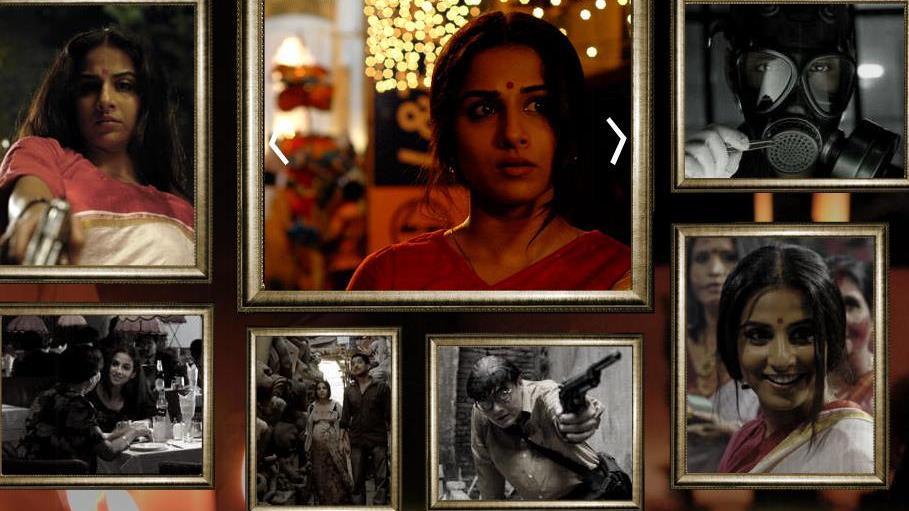
I’ve now seen Kahaani several times, the last time with the script in hand, provided by this blog. Here are some rapid notes I made – mainly on the pacing and plot points (which is what makes it such a gripping film). Sharing it – in case others find it useful. Have listed the run time at which each plot point takes place.

So here goes

  • Hook – introduced within 10  mins: taxi driver says it’s for the first time that he has driven someone to the police station straight from the airport. Add to that – that she is pregnant.
  • Dramatic premise – husband missing: approx. 15.45 mins. Vidya files missing complaint in Kalighat police station. This sequence is packed with information (set up/clues) that will come into critical use as the thriller unfolds (pay off):
    • Husband worked in National Data Centre. Later we get to know the main suspect Milan Damji is an employee of National Data Centre, as is Shridhar, the IT head who assigns Bob Biswas, the hired assassin, his targets.
    • Vidya is a firewall expert. Crucial in her gaining access to IT head’s system, which leads them to IB head, Bhaskaran.
    • Vidya has a dizzy spell when asked to sign the missing person report. Pay off – she never left behind any fingerprints.
  • First red herring: Mona Lisa Hotel. Approx 20 mins.

By the way – had a question here. Did her husband actually stay here? Or how did she know of the decorative piece, the peacock? If he didn’t why this hotel in particular? Because it didn’t keep any records of its guests?

  • Second red herring: Arnav’s uncle’s house. 31 mins
  • Third red herring: Arnav’s school. 31.30 mins
  • Fourth red herring: Kolkata immigration
  • First clue! Milan Damji; Second clue – Bombay blood group. When Vidya meets Agnes Demelo in Mocambo. 35 mins
  • Bob the Killer introduced. 35.58 mins
  • First murder – Agnes Demelo. 37.29 mins
  • Khan – crucial link in plot – introduced. Being from the IB, he will lead Vidya to _____. 38.24 mins. 40 mins
  • Capt. Bajpayee introduced. The Kahaani actually starts with him training three agents. Introduced at 40.07 mins
  • Plot thickens! Vidya remembers that Khan refers to Damji by first name. So he must be familiar with him though he claims not to know him. 44.22 mins
  • Khan inducts Rana into the case (audience doesn’t know of it as yet)
  • Bob’s 2nd assignment: Retrieve Milan Damji’s file. 49.52 mins
  • Third clue! Identity of Milan Damji – from old records of National Data Centre. 50.23 mins
  • Pre-interval climax! Vidya pushed into metro tracks. 55.55 mins
  • NOW – Backstory. 57.38 mins

But why will Bhaskaran approach Bajpayee when he himself is the kingpin of the entire operation?

  • Vidya voices audience’s doubts. Missing from script. (1) Arnab has deserted her (2) Arnab and Milan are one and the same (3) Arnab has been targeted because he looks like Milan Damji.
  • Turning point: Jis din Milan mil jayega, us din, Arnab mil jayega. So hunt on for Milan Damji. No longer for Arnab.  59.07
  • Transition scene: Missing in script. Lovely touch of the playful side of Vidya. The two are travelling in a tram, she accidentally kicks Rana. He touches his forehead (pranam). She is intrigued and playfully kicks him again…and again!
  • Fourth clue! Milan Damji’s house – tea glasses from tea stall outside. Boy at tea stall remembers man with brass corners briefcase. This is the FINAL LINK to Bhaskaran. 1.03 hrs
  • Clue – follow up- Bombay blood required by Milan Damji when he was admitted in Ekbalpur Nursing Home.
  • No records of Milan Damji in Ekbalpur Nursing Home. Next —> Police Informer
  • Kumartuli – locate police informer. Nice touch – Vidya slips, Rana holds her hand. 1.06 mins
  • Police informer – Pal asked to locate who needed Bombay Blood in Ekbalpur Nursing home and why. Pal refuses to help. Vidya pleads, appealing on behalf of her unborn child. Vital leads acquired only because she is a helpless pregnant woman. Police wouldn’t have been able to extract the information. 1.07 hrs
  • Police informer Pal talks of shoot-out. Next clue – doctor who treated Milan Damji. Bob receives next job – kill Doctor Ganguli. 1.09 hrs
  • Vidya finds details about the shoot-out from Kalighat police station computer records

Rana’s attraction to Vidya grows (proximity as she bends over him to look at computer records)

  • Scene 142: Set up that will lead to the Denouement —> Vidya cleans table. Cleans it off her finger prints
  • Scene 143 – 145: Shoot out explanation by Rana. National Data Centre provides IB agents with cover/double identities
  • Scene 146 – 147: Poltu points out man with Briefcase -> Shridhar. 1.14 hrs
  • Scene 148: Bob’s next job -> Vidya. Shridhar, the Chief Technology Officer of Data Centre scans Vidya’s photo and MMS’ it to Bob
  • Scene 149: Nice touch. Bob is shining his nails when he gets his next job. He looks exasperated and the way he says to rickshaw valla – turn around, it looks as if he’s been given an errand to run to the fish market before leaving for office!
  • Scene 150 – 151: Dramatic scene. Chase! Bob chases Vidya. Kills innocent passerby. Rana chases Bob. Bob is run over by a truck. 1.16 hrs
  • Scene 154: Track Sridhar, handler of Bob/CTO of Data Centre. 1.19 hrs
  • Scene 155:   IP address of sender of MMS to Bob
  • Scene 158:  Sridhar signs out. Set up: peon carries three glasses; visitor’s book is out
  • Scene 162: Sridhar figures out his computer is being hacked. 1.23 hrs
  • Scene 163 – 166: Sridhar runs to his chamber. 1.25 hrs
  • Scene 167 – 168: Shridhar chases Vidya. Fight between Rana and Shridhar. Vidya kills Shridhar.
  • Scene 169: Khan arrives on scene. Says he wanted Shridhar alive to lead them onto Damji.
  • Scene 170: False denouement: Khan tells Vidya she had been used as bait to lead them onto Damji because no one suspects a pregnant woman. TURNING POINT: Khan asks Vidya to hack into Sridhar’s computer to find out who is the kingpin of the entire plot. 1.28 hrs
  • Scene 171: Not present in script. Panchami-idols come at night. Vidya watches a Durga idol. Charulata shot: from window to next window she follows the idol atop a truck. Ekla chalo re song plays in the background. She is readying herself for the final slaying of the demon – Milan Damji. Scene ends with close up of Durga’s lion on beheaded head of Asura Mahishasura and Goddess being bedecked with jewellery. She is being empowered.
  • Montage: not present in script. Vidya trying to hack into Sridhar’s computer to get info about kingpin; sashthi, the first day of Durga puja; women in white and red saris; Vidya cleaning her room meticulously; Vidya calling Bishnu for hot water; Puja in full swing – aarti in evening, dhunuchi dance; Vidya looking at parents with their kids at puja pandals; 1.32 hrs
  • FINAL CLUE! Vidya finds a code in Sridhar’s computer she can’t decipher. Rana realises it might be a phone number. Turns out to be Bhaskaran’s old number. Khan asks Vidya to call Bhaskaran – rest in script.
  • Scene ends with call from Milan Damji. Final link in the chain. (Nice touch – Khan forced to plead with Vidya “please help me”)
  • Pal, the informer warns Rana that Damji is back in the city and will kill Vidya. (didn’t see the point of this bit of information. Audience knows Vidya is in mortal danger). 1.38 hrs
  • “Upping the ante” as they say! Rana begs Khan to call off operation as Vidya’s life is in danger. Khan locks him up. Mocks him – don’t love the wrong person. 1.39 hrs.
  • Pre-climax: Vidya wears red-white sari. She breaks down. 1.40 hrs. Bishu quietly leaves his transistor behind for Vidya
  • Countdown to denouement: Rana escapes (OC helps him). Rushes to Mona Lisa hotel. Told Vidya has checked out. Notices something about Bishu (we still don’t know what)
  • Montage of Durga Puja at Triangular Park. POV of Vidya as she looks at the sea of faces around her trying to guess who might be Milan Damji
  • Shindoor khela: set up for Vidya’s final escape – climax
  • Scene 183 – 185: Milan Damji – jo ab take k kahaani tha. CLIMAX – Milan is killed by Vidya

•    Scene 187: 3 mins –    Denouement 1.50 hrs: Arnab’s school is actually Bishnu’s school; she used to regularly dust her room; She never signed – first time at police station when she was asked to sign missing report, she fainted; at Mona Lisa hotel she refused to sign because register was tattered; She killed Sriharan before IB could get to him; She knew as Khan himself would say, no one would suspect a pregnant woman searching for her missing husband

• Scene 190: Flashbacks. Pyrrhic victory: Vidya realises she had truly started believing she was pregnant and that she would find her husband. 1.53 hrs

• Scenes 191 – 193: Bhaskaran arrested. 1.56 hrs

  • Voice over – Goddess Durga comes to vanquish evil and then leaves; Candlelight remembrances

Notes:

•  Scenes 84 – 87: Deleted

– Vidya meets Rana at his home. This scene is replaced by a scene in front of Kalighat Police station. Vidya sees women in red border sarees going to Kalighat temple and remembers her conversation with Arnab.

– The change of location works – more colour. Also, home would have been too intimate. Would have struck a wrong note – why should Vidya visit him at his home?

IMPORTANT: missing from script – Rana says Milan Damji does not exist. He is just a kahaani

And some additional notes I made

  1. The plot moves because Vidya is pregnant – leading to disclosures. OC says husband got her pregnant and is absconding. IB – Khan reiterates the same. Emphasis on her as a victim of a domestic case. No one takes her missing file report seriously. Rana is of course chivalrous and concerned.
  2. Fun side of Vidya, making her endearing. Our empathy increases: Teases Bishnu about his radio; Gentle with Poltu; Mocks Rana. About his name. Mocks him when she makes him pick locks, twice (Data Centre Office; Damji’s house); Kicks him in tram.
  3. Rana’s growing attraction towards Vidya. Very economically dealt with. No dialogues: Concerned. Caring. Always worried she might hurt herself as she bends down, climbs stairs. Holds her hand. Intrigued, charmed by her playful side when she deliberately kicks him in the tram. Admires her tenacity. Admires her knack with children. Glowingly praises her maternal instinct.  When Vidya bends over him as she checks computer records – he is acutely conscious of his attraction towards her. When Vidya gets to know from Khan that she is being used as a bait she is appalled. Asks – her life, her child’s life was at threat. Immediately Rana says nothing would have happened to her – because he had taken up the case solely to ensure she was safe. Khan gives an amused, meaningful glance at Rana. He knows Rana has fallen for Vidya. Gifts her a sari, on behalf of Arnab. Genuinely cares for her.
  4. Detailing in sets:  (a) Calender of Sri Ramkrishna in Kalighat Police station (b) Trinamool Congress emblems on walls of North Kolkata when Vidya goes to locate Milan Damji’s house (c) Aalna or clothes stand typical of a Bengali house in hotel room
  5. RD Burman influence: Songs being played on radio in several street sequences; Song played on car radio when Sridhar realises his computer is being backed is Lekar hum deewana dil.

(For more posts by Deepanjali, you can check her blog here)

Most probably you haven’t heard about any of these titles mentioned in the header of the post. But they seem to be interesting films, and hopefully we will get to hear more about them in the coming months. So here’s the official synopsis of all these films.

DEKH TAMASHA DEKH

Away from any media attention, Feroze Abbas Khan has completed his next film titled Dekh Tamasha Dekh. He had earlier directed Gandhi, My Father.

Synopsis : The story revolves around the search for the religious identity of a poor man crushed under the weight of a politican’s hoarding. A social and political satire, the film explores the impossible India, where bizarre is normal.

Directed by Feroze Abbas Khan.
India 2012, 108 Minutes, Hindi with English subtitles.
Cast: Satish Kaushik, Tanvi Azmi, Vinay Jain, Sharad Ponkshe, Ganesh Yadav, Apoorva Arora, Alok Rajwade

CHENU

Manjeet Singh’s directorial debut Mumbai Cha Raja did a good round of film fests and now he is working on his next film titled Chenu. It has been selected for the 9th edition of L’Atelier organized by the Cinéfondation of the Cannes Film Festival.

Synopsis : Chenu, a low caste Dalit boy living in rural North India, is drawn into an ongoing war between the extremely violent leftist “Naxal” militia and the fascist landlords’ gang. One day his younger sister Chano’s fingers are chopped off by landlord Teer Singh for plucking mustard leaves from his farm. When Chenu’s family is denied justice, the Naxals come to their rescue. They huntdown Teer Singh forcing him to take refuge under the protection of Bhagwan Sing, the leader of a landlord gang who has just cremated a cart full of dead relatives killed by the Naxals. The Naxals then involve Chenu in their operations and he comes to know where their weapons are hidden. When physically beaten by the rich village kids for playing on their turf, Chenu learns to fire a handgun himself. Meanwhile Bhagwan Singh, in thirst of revenge, consolidates other landlord gangs to form a powerful private army. A bloody cycle of violence unleashes, engulfing Chenu’s innocence while setting him on the cours of his own journey.

OONGA

I have been hearing about Devashish Makhija for a long time. Good to know that he is ready with his debut feature.

Synopsis : Little Oonga missed his village school trip to the faraway big city Lohabad to see a play called ‘Ramayan’. Unable to handle the pressure of being the only kid around who has not seen the fantastic warrior-king ‘Rama’, Oonga runs away. He goes on a perilous journey across forest, river, mountains and roads – bigger than any he’s ever seen, and valleys lain to waste by the mining industry… until he reaches the large, cold, chaotic, blinding city. When he emerges from the play he believes he has become Rama! But he is now returning not to the warm confines of his little village, but to a battlefield where the ‘company’ will do anything to take the adivasi’s land away from them. Only, Oonga doesn’t know it yet.

Directed by Devashish Makhija.
India, 2012, Feature Film, 98 Minutes, Hindi and Oriya with English subtitles.
Cast – Alyy Khan, Anand Tiwari, Nandita Das, Priyanka Bose, Salim Kumar, Seema Biswas, Vipin Sharma

FILMISTAAN

Filmistaan22012 was a good year for Bollywood. But beating all those films, Nitin Kakkar’s debut feature Filmistaan bagged the National Award for the Best Feature Film in Hindi Language. And if you read the synopsis, you might know why. It sounds delicious.

Synopsis : This National Award winning movie is set in Mumbai where, affable Bollywood buff and wanna-be-actor Sunny, who works as an assistant director, fantasizes on becoming a heart-throb star. However, at every audition he is summarily thrown out. Undeterred, he goes with an American crew to remote areas in Rajasthan to work on a documentary. One day an Islamic terrorist group kidnaps him for the American crew-member. Sunny finds himself on enemy border amidst guns and pathani-clad guards, who decide to keep him hostage until they locate their original target. The house in which he is confined belongs to a Pakistani, whose trade stems from pirated Hindi films, which he brings back every time he crosses the border. Soon, the two factions realize that they share a human and cultural bond. The film shows how cinema can be the universal panacea for co-existence.

Directed by Nitin Kakkar.
India 2012, 117 Minutes, Hindi with English subtitles.
Cast – Sharib Hashmi, Kumud Mishra, Gopal Datt, Inaamulhaq

FIREFLIES

Synopsis : ‘Fireflies’ is the story of two estranged brothers – Shiv and Rana. Shiv, a successful banker, lives in the superficial glitter of corporate Bombay. The younger brother, Rana, is a law school dropout who lives by the day. Though worldly experiences and illusions briefly illuminate the brothers’ journeys, a tragedy that befell them fifteen years earlier seems destined to repeat itself, just in new incarnations. Flames suddenly extinguish again, in an eerie heartbeat. The journey ahead echoing with voices and visions from the past, and the magic realism of the years gone by, beckons the brothers to find each other again. And the picture in the puzzle that was scattered so long ago. Fireflies come out in the night, just to light up the darkness. They live as long as the glow lasts. Even if it is a lifetime, being lived in a day.

Directed by Sabal Singh Shekhawat.
India, 2012, 102 Minutes, Hindi & English.
Cast – Arjun Mathur, Monica Dogra, Rahul Khanna, Shivani Ghai, Aadya Bedi

This slideshow requires JavaScript.

An interesting trailer of Ajay Bahl’s debut film “BA Pass” came out online recently. If you still haven’t seen it, click on the play button.

The cast includes Shilpa Shukla, Shadab Kamal, Rajesh Sharma, Dibyendu Bhattacharya and Geeta Agarwal.

And here’s the official synopsis of the film –

A young small town boy moves to Delhi to stay with his aunt and finish his college. Soon a mysterious married woman seduces him known to him as Sarika ‘Aunty’. Set amidst the neon-lit by lanes of Delhi’s Paharganj unfolds an erotic human drama between the two. A relationship based on lust, lies and deceit is forged. As the young boy gets more and more entrenched into his surroundings he discovers a city that thrives on corrupting even the most naive and innocent.

– The film is based on Mohan Sikka’s story “The Railway Aunty”, which was part of the anthology “Delhi Noir”. The story is available online. If you haven’t read it yet, click here.

– Click here to read an interview of the director on DearCinema.com.

– The film will have its next screening at New York Indian Film Festival which is scheduled from April 30th to May4th, 2013.

– To know more about the film, you can follow its Facebook page.

(from official release)

WHISTLING WOODS & FILM WRITERS ASSOCIATION

SCREENWRITING WORKSHOP
BY
ANJUM RAJABALI
MAY 1-5, 2013

GUEST LECTURERS
Ashutosh Gowariker (Lagaan) and Sriram Raghavan (Johnny Gaddar) : On what they expect from screenwriters

– Zoya Akhtar (Zindagi Na Milegi Dobara) and Reema Kagti (Talaash): On being writers and writer-directors

– Urmi Juvekar (Shanghai): On how to grow as a screenwriter

– Sanjeev Datta (Barfi): On writing lively, character-specific dialogue

WORKSHOP INSTRUCTOR
– Anjum Rajabali (Drohkaal, Ghulam, The Legend of Bhagat Singh, Raajneeti): Heads the screenwriting departments at Whistling Woods Mumbai and FTII Pune. Regularly conducts screenwriting workshops and seminars in India and abroad. According to him, “The really exciting phase of Indian screenwriting is about to begin!”

VENUE : Auditorium – Whistling Woods International, Film City, Goregaon (East), Mumbai 400065.

DATES : May 1-5, 2013 (both days inclusive)

TIMINGS : 10am – 1pm and 2pm – 5pm (Film viewing: 5.30pm – 8pm on May 1, 2, 3)

– THE WORKSHOP IS OPEN TO ALL.

FEE : For FWA members: Rs. 5600/- (Inclusive of taxes, tea/coffee and lunch on all days)
For non-FWA members: Rs. 8500/- (Inclusive of taxes, tea/coffee and lunch on all days)

– If you wish to become an FWA member, please visit www.fwa.co.in

To register for the workshop, please call 30916003 or email: kanchi.parikh@whistlingwoods.net

– No other creative process requires an equal combination of art and craft, as does screenwriting. And, while art (driven by creative urges and ideas) comes entirely from within, the craft (form, structure, narrative design) needs to be learnt. The writer needs to know the craft to convert those ideas into a cinematically written, gripping script. After all, the producer is going to bet crores of rupees on it!

– A substantial five-day workshop can go a long way in putting you on the road to screenwriting.

– Through interactive lectures and with the aid of many examples, participants will be educated about all the elements needed for a well-written script. The workshop will also outline the advisable steps in the construction of a script.

– On the last day, a senior copyright lawyer will educate participants about writers’ rights, including the amended copyright act, royalties, and the minimum basic contract that FWA is negotiating with the producers.