


Features Kartik Krishnan, Varun Grover, Namrata Rao and Richa Chadda.
Posts Tagged ‘Varun Grover’
VOTD : Shit Indian Censors Say
Posted: June 18, 2013 by moifightclub in video, VOTDTags: Kartik Krishnan, Namrata Rao, Richa Chadda, Shit Indian Censors Say, Varun Grover, VOTD
11
Bombay Talkies – 4 writers on 4 films by 4 directors. VOTE for your favourite!
Posted: May 2, 2013 by moifightclub in cinemaTags: Ajeeb Dastaan Hai Yeh, anurag kashyap, Bombay Talkies, Dibakar Banerjee, jahan singh bakshi, karan Johar, Kartik Krishnan, Murabba, Nawazuddin Siddiqui, neeraja sahasrabudhe, Randeep Hooda, Rani Mukherjee, Saqib Saleem, Sheila Ki Jawani, Star, Varun Grover, Vineet Kumar, Zoya Akhtar
Karan Johar, Dibakar Banerjee, Zoya Akhtar and Anurag Kashyap – four filmmakers with distinct signature style of filmmaking. So it’s interesting that a film like Bombay Talkies managed to bring them together. Though the occasion is 100 years of Indian cinema, all four shorts don’t have a strong cinema connect.
Interestingly, we also have got four writers to write about these four films. Read the post, watch the films and do vote for your favourite short in our poll.
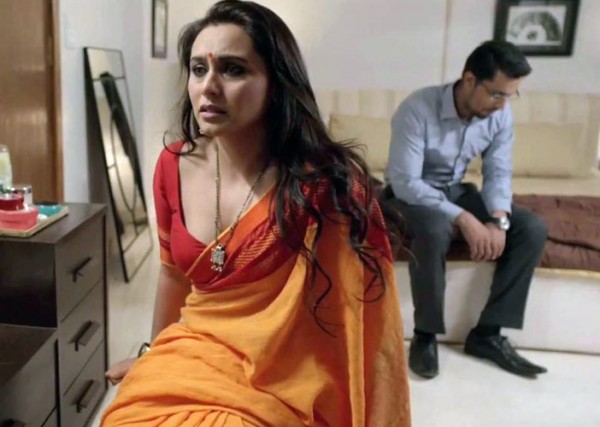
Jahan Singh Bakshi on Karan Johar’s Ajeeb Dastaan Hai Yeh
Of the four shorts in Bombay Talkies, I was most interested in Karan Johar’s film. One couldn’t quite tell what it is about beyond the fact that there is a troubled marriage in an urban setting (between Rani and Randeep) and a blossoming friendship (between Rani and Saqib) that perhaps gets the plot rolling. Also, there was a delicous sense of irony in the fact that in an anthology including films by Anurag, Zoya and Dibakar, it was K-Jo’s that seemed like the most dark and bleak!
What Karan has delivered in Bombay Talkies is something I did not expect (and I’m sure no one did). And with unexpected elan as well! Not just daring and bold, but equally graceful and poised- this is a Karan Johar you haven’t seen before. Or maybe he always had this in him but was waiting for the right time and a film where he did not have to wear the producer’s hat. I won’t reveal the plot of the film here (even though soon people would be talking about it) but when a filmmaker like Karan Johar makes a film like this, it isn’t just a film, it’s a massive statement. A few glass ceilings have been instantly shattered in a snap.
But let’s give Karan Johar, the guy everyone is probably looking at as the dark horse black sheep among these four, credit for more than just audaciousness. Ajeeb Dastan Hai Yeh grabs you by the collar and jolts you in its very first scene. But it instantly and nonchalantly moves on. This isn’t a Madhur Bhandarkar ‘shockfest’ or a film about ‘issues’.
What you get is an astutely made relationship drama- funny, candid, empathetic and in the end, wonderfully poignant. As I thought of the film later, I also appreciated how economically and smoothly it moved, everything is established so quickly and well. The characters are all flawed; there are no judgments made, no quick answers given, no simple resolutions. Apart from the odd cornball line in the beginning (‘Gale mein mangalsutra, aakhon mein kamasutra!‘- and that too from an intern to his boss!) the dialogue is smart and well written. And yes, no clumsy melodrama either. Maybe it’s the effect of shooting in ‘real’ locations! 😉
The performances are excellent and fearless. After trying too hard in NOKJ & Aiyaa, Rani Mukerji is back to doing what she does best- in Talaash, and now this. She is raw and wonderful, and the camera doesn’t look away from the love handles pouring out of her blouse or the freckles on her face. This is the sexiest and most beautiful she has looked in a long time. Saqib has cocky charm, but also a heart-breaking vulnerability. This is a role few young actors with Bollywood-Hero aspirations would take on. And Randeep Hooda surprises with a superbly reined-in performance, emotions carefully simmering under the surface.
As tempting as it is to discuss the story, I’d prefer to let everyone discover it on their own and react. This is surely going to be the most talked-about film of the four. And bagging second place in such illustrious company is no mean feat either. So many good directors stumble when it comes to short films- and well, here we have a filmmaker who’s so often reviled and not exactly known for brevity- making such a terrific one.
Mr Johar, you had my attention, now you have my curiosity. I’m curious to see where you go from here. You’ve taken the big leap, now don’t stop.
PS: You’ll be humming the ‘title song’ for a long, long time after the film. 🙂

Varun Grover on Dibakar Banerjee’s स्टार
अगस्त 2011. हम रेखा झा से पटना में मिले थे. उन्होंने ‘गैंग्स ऑफ़ वासेपुर’ में ‘वुमनिया’ गीत गाया था. वो एक और गाने (तार बिजली) में कोरस की लड़कियों वाले ग्रुप में आई थीं. स्नेहा खानवलकर को उनकी आवाज़ अच्छी लगी और उन्हें अलग से पूरा गाना मिल गया. वापसी के समय उनके पति (झा बाबू) मुझे अपनी टैक्सी में छोड़ने आये. उनका पटना में ही भाड़े की टैक्सी का बिजनेस है. रास्ते में उन्होंने बताया कि वो १९९०/९१ के आस-पास एक बार बंबई आये थे; हीरो बनने. “उस समय अगर कोई हमको बोल देता कि दस मंजिल से कूद जाओ और हम तुम्हें हीरो बना देंगे तो हम कूद जाते.” मैंने पूछा “तो किसी ने बोला क्या?” उन्होंने बताया काफी दिन बंबई में भटकने के बाद उन्हें एक जुगाड़ मिला. बाज़ीगर की शूट चल रही थी…लोनावला साइड कहीं पे. वो वहां पहुँच गए और यही ताव (कूद जायेंगे वाला) सब प्रोडक्शन वालों को सुनाने लगे. एक ने कह दिया, यह नदी है सामने छोटी सी, इसको तैर के पार कर लो तो किसी एक सीन में हीरो के अगल-बगल कहीं खड़े होने को मिल जाएगा. जनाब कूद गए. तैरना नहीं आता था, फिर भी कूद गए. किसी और को उन्हें पकड़ के निकालना पड़ा. झा बाबू के मुताबिक़ उनकी इस हिम्मत को देखकर सेट पर मौजूद (वीनस वाले) रतन जैन का दिल पिघल गया और उन्होंने झा जी को एक हफ्ते बाद बंबई में अपने दफ्तर बुलाया. झा जी एक हफ्ते तक सडकों पर रहे, बस स्टाप पर सोये, पर रतन जैन से मिलने का दिन आने से पहले ही उनका सारा सामान, जिसमें रतन जैन के दफ्तर का पता भी था, चोरी हो गया. उन्हें वापस पटना लौटना पड़ा. हमेशा के लिए.
कट टू – जनवरी 2013. एक अवार्ड फंक्शन में रेखा झा वुमनिया के लिए nominate हुयीं. झा जी भी उनके साथ बंबई आये. यशराज स्टूडियो के अन्दर बैठ के उस दुनिया को देखा जिसके लिए वो कूद जाना चाहते थे. मुझे सुपरमैन ऑफ़ मालेगांव के शायर फरोग़ जाफरी याद आ गए. (“मैं कब से बंबई की तरफ चल रहा हूँ. मालेगांव से बंबई बस एक रात का सफ़र है. पर ये रात ख़त्म नहीं होती.”) झा जी की छलांग भी 22-साल तक लगती ही रही.
कट टू – मई 2013. दिबाकर बनर्जी की फिल्म ‘स्टार’ में पुरंदर (नवाज़ुद्दीन सिद्दीकी, हमेशा की तरह बवाल) भी ऐसी ही एक छलांग के बीच में कहीं है. और पुरंदर की छलांग इतनी सीधी भी नहीं है. वो कई दिशाओं में कूद रहा है. या हवा में कहीं बीच में लटक रहा है. दिबाकर बनर्जी की हर अच्छी फिल्म की हर खासियत इस २०-२५ मिनट की फिल्म में मिल जायेगी – बहुत ही कडुवा सा sense of humor; social issues पर एक तीखी नज़र; खतरनाक casting (हमारे drunk-शायर और असल ज़िन्दगी में बहुत ही sincere, assistant director कार्तिक कृष्णन का इस से अच्छा इस्तेमाल नहीं हो सकता था, नवाज़ की पत्नी के रोल में एक गज़ब की नयी एक्टर (sorry नाम नहीं देख पाया end credits के गीले कचरे से भी बदतर गाने के चक्कर में), और सदाशिव अमरापुरकर की धांसू वापसी); कहने को एक बहुत ही गहरी बात; और एक गांड-फाड opening scene.
बल्कि अगर दिबाकर की फिल्मों का एक सबसे बड़ा recurring structural-motif ढूँढा जाए तो वो यही होगा कि उनकी हर फिल्म का पहला सीन पूरी फिल्म का सार होता है. और अपने आप में एक complete short-film भी. LSD में short-film या meta-film का element deliberately बहुत साफ़ था, लेकिन बाकी हर फिल्म में (‘ओये लक्की..’ में तो बहुत ही गज़ब तरह से) पहले सीन को लिखने की मेहनत साफ़ दिखती है. Shanghai पर हज़ार debate हुए कि फिल्म किसके बारे में थी लेकिन दिबाकर के motif से जाएँ तो फिल्म का पहला सीन साफ़ कर देता है कि फिल्म मामा और भग्गू के बारे में ही थी.
और ‘स्टार’ का पहला सीन ‘ओये लक्की’ की टक्कर का है. बस उनके पिछले काम से काफी अलग, (के.के. के शब्द) “फुल बंगाली सिनेमा है रे!” और सिर्फ पहला सीन ही नहीं, क्योंकि पूरी फिल्म सत्यजित रे की लघु कथा ‘पोटोल बाबू फिल्म स्टार’ से है, तो बहुत जगह रे की छाप साफ़ दिखती है. (मुझे एक जगह ‘नायक’ दिखी और एक जगह ‘महानगर’. और एक जगह एक जानवर में रे बाबू की २-३ लघु कथाएँ.)
फिल्म के बारे में कोई spoilers नहीं लिख रहा. लेकिन बस इतना ही कि Bombay Talkies की चारों फिल्मों का पैसा मेरे लिए इस अकेली में ही वसूल हो गया. (करण जोहर की फिल्म भी शानदार लगी वैसे.) नवाज़, दिबाकर बनर्जी, और सत्यजित रे – इससे आगे कोई क्या मांगेगा?
Update: अभी अभी एक जुगाड़ से नवाज़ की पत्नी का रोल करने वाली एक्टर का नाम पता चल गया. मराठी थियेटर की एक्टर – शुभांगी भुजबल. और ये भी पता चला कि वो खुद ऐसी ही एक चाल में पली-बढ़ी जैसी फिल्म में दिखाई गयी है.
(If you have difficulty reading it in Hindi, scroll down and read its English transalation)

Kartik Krishnan on Zoya Akhtar’s Sheila Ki Jawani
It’s more Taare Zameen Par than Pankh. The 6 yr old’s desires stifled by the ‘Sharma ji’ type moochad father with shades of Naseer-Ishan Nair (the fat dancing kid from Monsoon Wedding) conflict. मेरे-Parents-चाहते-हैं-मैं-आम-खाऊँ-जबकि-मुझे-केले-पसंद-हैं is the dillema/drama. The sexuality theme is not explored (or maybe I’m reading too much into it).
The film stealthily enters the kid(s) world and takes you along. Not the most ‘fresh’ stories but again very well done, non-melodramatic realistic treatment by Zoya Akhtar (with Excel Ent Production Design from LBC not Rock On). The casting of the kids and mom is spot on. And the relationship between the siblings could’ve been autobiographical, which is probably why it is so heart tugging despite being no Children of Heaven. They help each other out in the ‘trying circumstances’ and unlike the एक दूसरे की चुगली करने वाले बच्चे, would probably be best ‘friends for life’. The message of the film is not so much ‘Follow Your Dreams’ but more ‘Follow Your Dreams लेकिन शान्पट्टी से’. Slightly underwhelming coming from Zoya Akhtar but it seems her most ‘personal’ film (like KJo’s and AK’s short films). ‘शुरू होते ही ख़त्म हो जाती है’, ‘3rd Act है ही नही, setup ही setup है’ were the common refrain but the climactic performance with the arresting cutaways is itself worth the price of ticket itself.
The pillow conversations at night between the siblings took me back to my childhood days, and that’s why may be I’m being a little too lenient unlike rest. ‘मानता हूँ Cliche है Sir लेकिन Conviction से किया जाए तो आज भी work करता है !’
P.S – An aside – On the occasion of 100 yrs of Indian cinema celebration – here are two of the most brilliant kids performances in recent cinematic history for you – this & this.
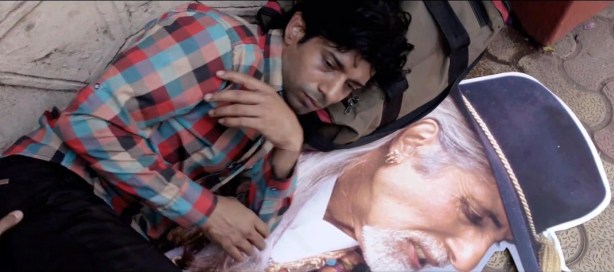
Neeraja Sahasrabudhe on Anurag Kashyap’s Murabba
Twice during the film, I was reminded of this funny inimitable character from my childhood. There was a short period of time, when we used to get dabbawala food at home in Banaras (Yes! there are dabbawalas in Banaras too). That man had a wild imagination. From the stories about owning the golden temple land to getting his mobile phone repaired in 2 lakhs (back in 2000! well, that sounds ridiculous even now), there was no end to his cock-and-bull stories, and there was a new किस्सा everyday.
The sequence where Vijay is regaling his fellow travelers in the train reminded me of many such characters from Banaras. जैसे दिल्ली में गाली देना सच में गाली देना नहीं होता, वैसे ही पूर्वांचल में गप्प मारना झूठ बोलना नहीं होता। Another one from a train journey is that of a group biharis…I remember looking at my brother and suppressing a giggle when one of the men said “ये बहुत संघर्शेबुल (sangharsh-able) हैं “. ऐसी बहुत सी सुनी-सुनाई कहानियां हैं अपने यहाँ के amazing गप्पी लोगों की, जो याद करके भी हँसी आ जाती है. Anyway, the point here being that the film captures that character and that space very well. For me, this was the best part of the film.
The film is about a young man traveling from Allahabad to Mumbai to meet Amitabh Bachchan so that he can offer the superstar a piece of Murabba that his mother has made. This is his father’s “last wish”. As far as the theme of celebrating 100 years of Indian cinema goes, among all four shorts, this film comes closest to capture the passionate frenzy that bollywood has created among the masses over the years. As usual Kashyap get the milieu right but the punchline is not strong enough to make you fall in love with the film. Unfortunately the film goes downhill as soon as Mr. Bachchan makes an appearance. There are moments that made me nostalgic and made me chuckle but overall the film was a bit of a disappointment. But inspite of all the shortcomings, I am sure all the fanboys/girls out there who have done crazy things for the stars they love, will connect to the film.
PS: The other thing that I noticed is that when Vijay’s father asked him where he was, Vijay replies “मेल में थे”. The people in and around Allahanad always call the kumbh mela as just “mela” whereas it is the outsider (mostly the पढ़ा – लिखा वर्ग) that always calls in “kumbh” or “kumbh mela”. Full marks to AK for that.
*****
The film ends with an atrocious music video which seems to be have been produced on MS Paint. Though the initial montage of yesteryear actors make it look slightly better. As a friend pointed out, wish they had just used the opening credits of Luck By Chance in the end credits here. That would have been enough.
And do vote for your favourite short. You can vote for 2 films.
UPDATE – 3rd May, 2013
(Since many people have been asking for English translation of Varun’s post on Star, here it is. We still suggest that you try in Hindi first, Do “Control +”, make the font bigger and it becomes easy. If not, here you go)
August 2011. We met Rekha Jha in Patna. She would sing ‘Womaniya’ for ‘Gangs of Wasseypur’ a few days later. She was part of the group of girls we had called for chorus singing in ‘Taar Bijli Se’ song. Sneha Khanwalkar liked her voice so much that she got offered a full song to herself. On my way back from Patna, her husband (Jha babu) dropped me to the airport in his taxi. He has a small taxi-rental business in Patna. He started talking and told me ‘I had gone to Bombay sometime in 1990/91; to become a hero. If at that time, somebody had told me to jump from a 10-storeyed building to get a role in films, I’d have done that.’ I asked – ‘So did somebody say that to you?’ He said after wasting many days in Bombay, he somehow landed one contact which took him to the film shoot of ‘Baazigar’ in Lonavla or around. On the sets of Baazigar, he again started bragging that he can jump from a building to get a role, and some production hand dared him to cross the small river nearby. He promised Jha Babu a role (of being in the same frame as the film’s hero) if he finished the swim across the river. Jha babu jumped in the river without a thought. He didn’t know how to swim, but jumped anyway. He had to be rescued by some locals else he was sure to drown. Seeing the commotion and young man’s stupid desperation, Ratan Jain (Tips owner) was impressed. He gave Jha babu his card and asked him to come over at the Bombay office a week later. The whole coming week Jha ji spent on the roads, sleeping on bus stops, but before the big day arrived his whole luggage including the address of Ratan Jain was stolen. He returned back home to Patna, never to attempt his Bombay dreams again.
Cut to: January 2013. An award function nominated Rekha Jha for singing ‘Womaniya’. Jha babu came with her to Bombay, first time since he left it in 1991. Sitting inside Yashraj Studios, he finally saw the unreal world he wanted to jump from a high-rise for, up-close and live. I was reminded of Farogue Jafari, the poet and writer of/from Supermen of Malegaon – “Main kab se Bombay ki taraf chal raha hoon. Malegaon se Bombay bas ek raat ka safar hai. Par ye raat khatam nahin hoti.” (I have been walking towards Bombay for a long time. Malegaon to Bombay is just an overnight journey. But this night is too long.) Jha babu’s jump also lasted for 22-years.
Cut to: May 2013. Purandar (Nawazuddin Siddiqui, terrific as always) in Dibakar Banerjee’s segment ‘Star’ is also in the middle of one such night/jump. But Purandar’s jump is not so simple. He is jumping in many directions simultaneously. Or may be he just thinks he is jumping while being magically, depressingly hanging static mid-air, like a cartoon dog from Tom and Jerry. The 25 minute film has all the best elements of all the good Dibakar Banerjee films. A very wry sense of humor, a sharp comment on social issues (right from the very first scene that stays on long enough for you to attempt decode its meaning), pitch-perfect casting (our drunk-shaayar and a sincere assistant director Kartik Krishnan couldn’t have been cast in a better role, the lady playing Nawaz’s wife Shubhangi Bhujbal is a gem of a find from Marathi theatre though her name gets drowned in that horribly composed and shot end-credits song, and Sadashiv Amrapurkar’s comeback to cinema alone is worthy enough for this film to be made), a new world to explore, and a kick-ass opening scene – all DB strengths are at their top-game in ‘Star’.
In fact, a recurring structural-motif of DB’s films has been a meta-film like opening scene that has the sly-synopsis and tone of the entire film you’re going to watch. If you go back to any of his film after finishing it, and watch the opening scene again, you’ll be surprised by the number of hidden-meanings it contained. LSD had the short-film/meta-film element deliberately carved out but even the rest of his films have a masterful opening scene (OLLO has the strongest one). Shanghai generated many debates, chief among them was who the film ACTUALLY is about, and going by this motif the opening scene of the film clearly says that the film is about Bhaggu and Mama, the two ‘killers’.
And the first scene in ‘Star’ is as powerful and poetic as Dibakar has ever written/shot. Though in a different league/tone altogether (as Kartik Krishnan said ‘Full Bengali cinema hai re!’). And not just the opening scene, the entire film bears a noticeable stamp of Satyajit Ray as the screenplay is adapted from a Satyajit ray short-story (“Potol Babu Film Star”). I could spot a hat-tip to ‘Nayak’ (appearance of Sadashiv Amrapurkar scene), and another to ‘Mahanagar’ (working wife and daily memorabilia for child), and a pet-animal Purandar keeps reminded me of a couple more short-stories of Ray. (Fascination with abnormal/surreal animals/plants is a recurring motif in Ray’s stories for children.)
Keeping it spoiler-free so can’t write much more. Just enough to say that DB’s ‘Star’ alone is worth the price of admission for Bombay Talkies. (While K-Jo’s film too is as good as they come.) Nawaz+Dibakar+Satyajit Ray – and the sum is greater than the parts!
(Note : To make life bit simpler, now you don’t need to fill in all the details to post comments. If you are already logged into Facebook or Twitter, just log in with your FB/T account. Click on comment box, you can see the small (FB/T) icon below the comment box, click on FB/T, a pop up will appear, authorize the app and you are done)
काली घोड़ी, सिगरेट, और मिहिर पांड्या की दिल्ली वाया चश्मे बद्दूर
Posted: April 5, 2013 by moifightclub in books, cinema, ExcerptTags: Chashme Buddoor, Deepti Naval, Farooque Sheikh, Gul Anand, Mihir Pandya, PVR, Rakesh Bedi, Ravi Baswani, Sai Paranjape, Shahar aur Cinema, Shiladitya Bora, Varun Grover

कल चश्मे-बद्दूर देखी. असली वाली. सई परांजपे, फारुक शेख, राकेश बेदी, रवि बासवानी, विनोद नागपाल, सईद जाफरी, और (बे-इन्तहा सुन्दर) दीप्ति नवल वाली. दिल, दिमाग, और सिगरेट वाली. और इतना मज़ा आया जितना पिछले कई सालों में किसी हिंदी कॉमेडी फिल्म में नहीं आया.
बहुत से लोग कहेंगे वो इसलिए क्योंकि ये ईमानदारी से बनायी हुयी सीधी-सादी फिल्म है. लेकिन मेरे हिसाब से इसमें सिर्फ ईमानदारी, सादगी, और nostalgia जैसे कारण उठाकर फिल्म की तारीफ़ करना ज्यादती है. फिल्म में भर भर के craft और writing का जादू है. बहुत ही progressive, contemporary, और smart film है. 2013 में भी. फिल्म का पहला सीन ही – जिसमें एक जलती सिगरेट एक हाथ से दूसरे हाथ से एक पाँव का सफ़र करते हुए तीनों लड़कों को सिंगल टेक में introduce करती है – मेरे लिए हिंदी सिनेमा के इतिहास के सबसे शानदार opening scenes में से एक है. यहाँ से आप सई परांजपे की absurd, intelligent दुनिया में कदम रखते हैं. इस दुनिया में एक अत्यंत शास्त्रीय गीत (काली घोड़ी द्वार खड़ी) एक अत्यंत western visual (लड़की को impress करने के लिए पूरे स्टाइल से अपनी काली मोटरसाइकल पर आता हुआ लड़का) के साथ gel हो जाता है, हीरो-हीरोइन पार्क में बैठकर फिल्मों का मज़ाक उड़ाते हैं कि उनमें हीरो हीरोइन पार्क में गाना कैसे गा लेते हैं और कोई उन्हें टोकता भी नहीं और अगले ही सीन में खुद पार्क में गाना गाते हैं और अंत में टोके जाते हैं, और अरस्तु-ग़ालिब-औरंगजेब संवादों में ऐसी जगहों पर आते हैं कि अगर आपने इतिहास ठीक से पढ़ा है तो आपको सिर्फ इसी बात से ख़ुशी हो जायेगी कि अरस्तु-ग़ालिब-औरंगजेब की जिंदगियों का निचोड़ किसी हिंदी कॉमेडी फिल्म में भी हुआ था.

बड़े परदे पर देखने से ढेरों नए details भी मिले. लड़कों के कमरे में लगे पोस्टर्स में शबाना आज़मी और सुलक्षना पंडित (सई की पिछली फिल्म ‘स्पर्श’ में सुलक्षना ने शबाना के लिए २ गाने गाये थे), मद्रासी रेस्तौरेंट में सचमुच की तमिल बोलने वाला वेटर, बाईक हमेशा फारूक शेख की किक से ही क्यों स्टार्ट होती है इसका कारण, दीप्ति नवल की आँखों की असली गहराई, और सिगरेट के लहराते धुएं का फिल्म में एक पूरा किरदार होना. ऐसा कहा जा सकता है कि उस कमरे में तीन नहीं, चार दोस्त रहते थे. और एक आज की हालत जहां फिल्म में कोई किरदार अपने सपने के third level पे भी सिगरेट पीने की सोचे तो सेंसर बोर्ड की कुत्तापने से भरी वाहियात warning स्क्रीन पे तैरने लगती है, चश्मे-बद्दूर में सिगरेट का इतना खुला इस्तेमाल अपने आप में एक full-fledged reason है फिल्म देखने का.
लेकिन बात चली है चश्मे-बद्दूर की तो मुझे याद आई मिहिर पांड्या की शानदार किताब ‘शहर और सिनेमा – वाया दिल्ली’ (वाणी प्रकाशन), जिसमें मेरा सबसे पसंदीदा चैप्टर इसी फिल्म पर है. इस किताब पर बहुत दिनों से कुछ लिखने की सोच रहा था. आधा अधूरा लिखा भी है जो अब नीचे चिपकाने जा रहा हूँ. और साथ ही में है इसी किताब से लिया हुआ पूरा लेख चश्मे बद्दूर पर जिसमें मिहिर चश्मे-बद्दूर को ढूंढते ढूंढते तालकटोरा गार्डन तक गए (जहां की टूटी-फ्रूटी खा खा कर फिल्म में फारूक शेख और दीप्ति नवल को प्यार हो जाता है और जहां का वेटर दिबाकर बनर्जी की ओये लक्की लक्की ओये के वेटर का पुरखा लगता है) और एक नयी ही कहानी ढूंढ कर लाये इस फिल्म को समझने की.
**********
(मिहिर की किताब ‘शहर और सिनेमा वाया दिल्ली’ पर मेरा छोटा लेख)
शहर, सिनेमा, और उन्हें देखने वाला
मुझे ठीक से नहीं पता कि उन्होंने ये क्यों किया लेकिन हाल ही में मेरे पापा ने मुझे कुछ पुरानी तस्वीरें भेजीं. अखबार में फुटबॉलर फर्नांडो टोरेज़ की अपने बच्चे को गोद में उठा कर फुटबॉल खेलते फोटो आई थी. उसको देख कर पापा को मुझे कुछ पुरानी तस्वीरें भेजने का मन किया. इनमें से एक है जिसमें उन्होंने मुझे लगभग उसी तरह से उठाया हुआ है जैसे टोरेज़ ने अपने बच्चे को उठाया है. एक में ४ साल का मैं अपने हिमाचली घर के आंगन में उदास सा खड़ा हूँ. आधी धूप, आधी छाँव के बीच.
इन्हीं तस्वीरों के बीच एक तस्वीर अजब सी है. यह सुंदरनगर (ज़िला मंडी, हिमाचल) की बहुत ऊंचाई से, शायद आसपास की किसी पहाड़ी से, ली गयी फोटो है. फोटो के पीछे उसके खींचे जाने का साल १९७८ लिखा है. इसमें पेड़, सड़क, मंदिर, गुरुद्वारा, सरकारी क्वार्टर, और सामने वाला पहाड़ दिख रहा है. और एक जगह एक गोदाम जैसी दिखने वाली बिल्डिंग के आगे एक पैन से हरा क्रॉस का निशान लगा हुआ है. यह निशान भी १९७८ में ही लगाया गया है. यह निशान वही पिक्चर हॉल है जहाँ मैंने अपनी ज़िंदगी की पहली फिल्में देखीं थी. यह अध-पीली तस्वीर, जिसे किन्हीं इमोशनल कारणों से पापा ने अब तक संभाल कर रखा था अब मुझ तक आ गयी. यह तस्वीर अब मुझे गूगल पर आज का सुंदरनगर ढूँढने पर मजबूर करती है. मैं ढूँढता हूँ और किस्मत से लगभग वैसी ही एक पहाड़ी से ली हुई आज की तस्वीर मिल भी जाती है. लेकिन मन नहीं भरता. अब यही तस्वीर मुझे वापस सुंदरनगर लेकर जायेगी, ऐसा लगता है. १९८५ में सुंदरनगर छोड़ने के बाद पहली बार. जल्द ही.
शहरों से हमारा रिश्ता ऐसा ही होता है. हम उनमें रहते हैं लेकिन उनके छूट जाने के बाद वो हम में रहने लगते हैं. मैंने कहीं पढ़ा था हमें सबसे ज़्यादा सपने १२ से २२ की उमर के बीच के अनुभवों के आते हैं. मतलब छोटे शहर/कसबे छोड़कर आए लोग ज़िंदगी भर बड़े शहरों में रहते हुए उन्हीं पुरानी जगहों के सपने देखते रहते हैं. या कहें तो आधी ज़िंदगी फिर भी उन्हीं जगहों में बिताते हैं. बस वो ज़िंदगी नींद में होती है इसलिए नॉन-लीनियर और कम वैल्यू की होती है. अपनी नयी किताब, ‘शहर और सिनेमा – वाया दिल्ली’ के लिए मिहिर पांड्या ने भी बार बार दिल्ली छोड़ी और फिर वापस उसमें लौटे. दिल्ली से सीधी जुड़ी एक-एक हिंदी फिल्म के ज़रिये शहर में घुसे और निकले. इस किताब में ऐसा उन्होंने १६ बार किया. शहर के रास्ते सिनेमा को देखा और सिनेमा के रास्ते शहर को.
किताब पढते हुए आप देख सकते हैं मिहिर को अपने नॉर्थ-कैम्पस के बरसाती-नुमा घर को ताला मारकर बाहर निकलते हुए. सड़क पर चलते-चलते हर जगह की एक मैंटल तस्वीर खींचते हुए और उस तस्वीर को किसी फिल्म में ढूंढते हुए. आप देख सकते हैं गुडगाँव तरफ के खाली मैदानों में बन रहे नए रिहायशी इलाकों से गुज़रते मिहिर को ‘खोसला का घोंसला’ याद करते हुए. आप देख सकते हैं मिहिर को आइवरी मर्चेंट की ‘हाउसहोल्डर’ में जंतर-मंतर का सीन आते ही कूद पड़ते हुए. मिहिर ने फिल्म में जंतर-मंतर पर फिल्माए गए इस सीन का गहरा symbolism खोजा है. फिल्म में एक जगह पर हमारा हिन्दुस्तानी हीरो जंतर-मंतर में जौगिंग करते हुए एक अमेरिकी बंदे से टकरा जाता है. देश अभी-अभी आज़ाद हुआ है. माहौल नयी उम्मीद का है. दोनों में बात शुरू हो जाती है. हीरो (शशि कपूर) अमेरिकी बंदे अर्नेस्ट को बता रहा है कि आज़ादी के बाद हम कितने आधुनिक हो गए हैं. और अमेरिकी है कि आधुनिकता को भाव दिए बिना हमारे अनंत-ज्ञान, योग, आध्यात्म की तारीफ़ किये जा रहा है. मिहिर का कहना है कि यह सीन जंतर-मंतर की वजह से जादुई हो जाता है क्योंकि – “दिल्ली के ऐन हृदय में बसे जंतर-मंतर को आधुनिकता और परंपरा का सबसे सुन्दर प्रतीक कहा जा सकता है.” और निर्देशक ने “इस विरोधाभासी आदान-प्रदान के लिए” ही ऐसी जगह पर सीन रखा है.
फिर आप देख सकते हैं मिहिर को राजघाट और इण्डिया गेट और संसद भवन और राष्ट्रपति भवन और चांदनी चौक और सरोजिनी नगर और पीतमपुरा को जोड़कर दिल्ली की एक बड़ी तस्वीर बनाते हुए. और उस तस्वीर से दिल्ली के दो बड़े विभाजन – दिल्ली की सत्ता (“काट कलेजा दिल्ली”, “पिछड़े-पिछड़े कह कर हमको खूब उडाये खिल्ली, दिल्ली” वाली सत्ता) और रोज़मर्रा (“सिंगल है कि बैचलर”, “मसकली” वाला रोज़मर्रा) को अलग-अलग फिल्मों के आधार पर छाँटते हुए. आप देख सकते हैं देर रात अपने कम्प्युटर पर अपने गैर-दिल्ली दोस्तों से बतियाते हुए भी मिहिर के अंदर चलते ‘शहर’ को. किताब की भूमिका में ही मिहिर ने लिखा है:
“मैं एक रात आभासी संजाल पर मुम्बई की कुछ आकाशीय तस्वीरें लगाता हूँ. अचानक पहली बारिश पर कविता लिखने वाली एक लड़की जवाब में लिखती है कि यह दुनिया का सबसे शानदार शहर है. मैं रवि वासुदेवन का कहा उसके लिखे के नीचे उतारता हूँ, “बच्चन की देह मुम्बई की लम्बवत रेखाओं के वास्तु से एकमेक हो जाती है.” लड़की चुहल करती है जवाब में, “फिर शाहरुख को कैसे एक्सप्लेन करेंगे?” मैं जानता हूँ, लड़की इन नायकों पर नहीं, उस ऊँची महत्वाकांक्षाओं वाले महानगर पर फ़िदा है. कहती है, “ये शहर नहीं, फलसफा है.””
“यहाँ से शहर को देखो”
मिहिर के ही लिखे एक पुराने लेख (जयदीप वर्मा की ‘हल्ला’ पर) का शीर्षक है – यहाँ से शहर को देखो. यह इस किताब का unused title भी कहा जा सकता है. किताब का हर निबंध एक नई रोशनी में दिल्ली दिखाता है. लेकिन चमत्कार सिर्फ इतना ही नहीं है. मेरे हिसाब से असली उपलब्धि यह है कि किताब दिल्ली के ज़रिये हमारे सिनेमा को भी परखती है. जैसे कि ‘सत्ता का शहर’ हिस्से के एक निबंध, जो कि शिमित अमीन की ‘चक दे इण्डिया’ पर है, में मिहिर दिल्ली के elitist bent को फिल्म में भी देखते हैं और एक झटके में ही इस National Integration Film का खोखलापन सामने ला पटकते हैं.
मिहिर के अनुसार ‘चक दे इण्डिया’ में “दिल्ली के आसपास के इलाकों और ‘ऊँचे’ बैकग्राउंड से आई लड़कियाँ ही फ़िल्म के केन्द्र में हैं. दिल्ली के लिए हाशिए पर रहने वाले इलाकों को जगह तो दी गयी है लेकिन पूरी फ़िल्म में वे किरदार हाशिए पर ही रहे हैं.”
यह एक नयी चाबी है. यह चाबी बिना दिल्ली, दिल्ली की पॉलिटिक्स, और उस पॉलिटिक्स का काइयाँपन जाने नहीं लगेगी. और ऐसी चाबियों से उन्होंने लगभग हर निबंध में शहर-और-सिनेमा के नए ताले खोले हैं.
जैसा कि मैंने कहा मिहिर ने किताब को दो बड़े हिस्सों में बाँटा है. दिल्ली को सत्ता का शहर (६ फिल्में, जिनमें ‘हज़ारों ख्वाहिशें ऐसी’ और ‘रंग दे बसंती’ शामिल है) और रोज़मर्रा का शहर (१० फिल्में जिनमें ‘ओए लक्की..’, ‘डेल्ही बेली’ और ‘तेरे घर के सामने’ शामिल है) कह कर दो अलग नज़रियों से देखा है. हर फ़िल्म पर निबंध ७ से १० पेज का है और हर निबंध दिल्ली और सिनेमा पर ढेर सारे keen observations से भरा-पूरा है.
इसी किताब का चश्मे-बद्दूर वाला लेख आपकी नज़र हो रहा है. फिल्म देखकर इसे पढ़ें या इसे पढ़कर फिल्म देखें….दोनों मामलों में आपकी ही जीत होगी.
**********
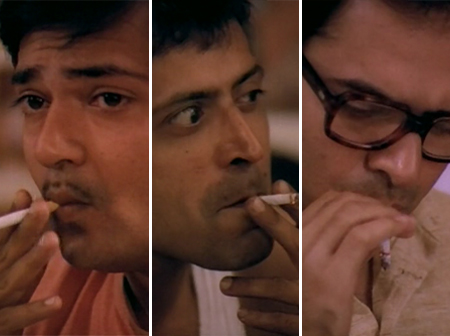
चश्मे बद्दूर पर मिहिर का लेख:
<div
(Also, many thanks and congratulations to Shiladitya Bora of PVR Director’s Rare for putting his time and passion behind the re-release of such classics.)
Movie Recco : Searching for Sugar Man because it will “crucify your mind”
Posted: January 4, 2013 by moifightclub in cinema, Movie ReccoTags: Malik Bendjelloul, Movie Recco, Rodriquez, Searching For Sugar Man, Varun Grover
We are back to our “movie recco” posts and will try to be regular this time. This recco post is by lyricist and screenwriter Varun Grover. And let me warn you that by the time you will finish reading this post, you will be desperately searching for the film. So please start your search (#youknowwhere) now. And read on.

Polite Disagreement of the Sugar Man
Weird connections
Most of the times, how powerful a film (or any piece of art) is can be judged by the simple test of what and how many things it reminds you of. Things that you have read, seen, experienced, or heard about. Like this excellent, meditative Russian film The Return reminded me of my mother’s old Buaa whose husband had returned after 30-years of having gone missing and she didn’t know how to deal with it. She had been living the life of a widow at her brother’s (my Nana’s) house for almost all her life and here was this man she had even forgotten the face of too, standing in front of her shocked, crying face, talking in broken English for some reason, and telling her ‘It’s okay. It’s okay.’ (What happened with Buaa and her husband after that is even more surreal, but that’s for another day.)
Similarly, Terrence Malick films remind of the world I imagined as a child, Vihir reminded me of dealing with a recent death in the family, Holy Motors reminded me of Werner Herzog’s Enigma of Kasper Hauser, Kaufman’s Being John Malkovich, Billy Wilder’s Sunset Blvd., and many others, and Anish Kapoor’s recent exhibition in Bombay reminded me of Waltz with Bashir and Mughal-E-Azam.
I watched Malik Bendjelloul’s 2012 documentary Searching for Sugar Man last night and the list of things it reminded me of is probably the greatest ever. From Gurudutt’s Pyaasa to Charles Bukowski and Shiv Kumar Batalvi’s poetry and persona, to Bob Dylan (“Bob Dylan was mild to this guy” says one character in the film), to Mirza Ghalib, to many of my friends struggling with the whole commerce-vs-art, indie-vs-massy question hanging over their futures – everybody/thing has flashed past my eyes in the last 12-hours. (And one more man, but about him, later.)
There could be a specific reason, not within the film but within me, that it reminded me of so many things. May be I myself am struggling with the questions of immortality or otherwise of art and my place in the creation process.
Synopsis:
(Spoiler free. Though I’d say watch the film without even reading the synopsis.)
Detorit, 1970s. A construction worker called Rodriquez, who writes poetry of the streets and is a struggling musician, cuts an album. Album sells just “6 copies in all of America” and he goes back to a life of obscurity. Word goes around that he killed himself later after singing some iconic, depressing words like “But thanks for your time and then you can thank me for mine.” But soon after him receding back into the shadows, bootlegged copies of his album reach South Africa, to a people locked away from the world due to apartheid. There, in SA, his songs gain a cult following and a couple of fans decide to find the truth behind his death.
The man who walks
One recurring motif in the film, used brilliantly even in animated portions, is that of a man walking relentlessly – through snow and streets, in a city past its prime (or may be a city that never reached its prime like Rodriguez himself). My guess is this motif, of all the brilliant things this film shows, will stay with me for the longest. Rodriguez was a man who poured his suffering and his observations of the city into his music. (His songs and voice alone are the reasons enough to revere him as one of the greatest musicians ever.) This motif captures the slow rhythm, the effort, and imagery of his music just perfectly.
But another reason, as my wife pointed out after the film, this motif captures Rodriguez’s essence is because his was a life of polite disagreements – with the rules of society, norms of success, recognition and copyright. His lyrics were angry but not bitter in a Pyaasa/Sahir Ludhianvi or Bukowski way nor pessimistic like Ghalib/Batalvi – his anger too was like his persona – easy, sweet, and with a dash of hope. I am sure unknowingly, but he lived by the Gandhian principle of सविनय अवज्ञा (Savinay Avagya – polite non-cooperation), and hence the walking motif gets another layer of Gandhi connection. (There’s one more, even bigger Gandhi connection but giving that out will be a spoiler.)
The unsaid
Since it’s a reco-post, there are so many things I am tempted to write but not writing. So will give you a quick ‘10-reasons to watch this film ASAP’ and wrap this up.
- A musical docu (with some of the best music you’ll hear in a film) narrated like a thriller. The search for Sugar Man (Rodriguez) is as surprising and twisted as any good, genuine thriller.
- An underdog story with so many uplifting moments. Better than in any similar-genre fiction film I have seen last year.
- Technically top-notch. Animation, frames, footage from the 70s and 80s, all pieced together absolutely seamlessly.
- A mysterious central character that may have been lost to the history forever.
- Some of the most articulate interviewees in a docu. One man (called Clarence Avant) looks and talks straight out of a Tarantino film.
- In spite of being an almost-thriller, the pace is languorous and easy – like Rodriguez’s music. Very difficult to achieve and done very well.
- A terrific statement on the real value of art and artist, and the eternal tussle between business and creative.
- One real chunk of footage of a Rodriguez concert. If you don’t have a lump in your throat in that portion of the film, please get your species-test done.
- Poetry. Both visual and verbal. (One frame with smoke billowing out of a factory chimney across the river and merging into clouds above while Cold Fact plays in the background is cinema at its ethereal best.)
- The message it conveys, subtly but powerfully.
Note: It’s out #youknowwhere. And thanks to documentary lover @AuteurMark for recco-ing this to some of us.
The following TRAILER has SPOILERS. So we would suggest that you should AVOID it and watch the film directly.
2012 Rewind : What kind of bird are YOU?
Posted: December 25, 2012 by moifightclub in bollywood, cinema, film, film review, Hollywood, Indie, Movie Recco, movie reviews, reviews, songs & videos, Special, Year end specialTags: 2012 Rewind, Act Of Killing, Anand Kadam, Anhe Ghode Da Daan, Beasts of the Southern Wild, Fatema Kagalwala, Fjögur Píanó, Jab Tak Hai Jaan, Jahan Bakshi, Kahaani, Kartik Krishnan, Koormavatara, Kumki, Kushan Nandy, Makkhi, Mihir Desai, Mihir Pandya, Moonrise Kingdom, Neeraj Ghaywan, Paan Singh Tomar, Pratim D. Gupta, Ranjib Mazumder, Shanghai, Ship of Theseus, Shripriya Mahesh, Stories We Tell, Supermen Of Malegaon, Svetlana Naudiyal, Take This Waltz, Talaash, Varun Grover, Vasan Bala
Sam: [In the women’s dressing room] What kind of bird are you?
Sparrow: [Starting to point to the other actresses] I’m a sparrow, she’s a dove…
Sam: [Cutting her off] No. I said…
[Points to Suzy]
Sam: What kind of bird are YOU?
Suzy: I’m a raven.

I have stood in front of the mirror, pointed my index finger at my image, just like Sam points at Suzy in that delicious Wes Anderson film, and have asked the same question quite a number of time, using all kind of possible emotions. And whenever i think about the scene, it still makes me smile. Bit of Googling tells me that am not the only one who loves this dialogue so much. Though it’s quite difficult to dissect why such a simple line from the film has turned out to be one of my favourite quotes of the year and has stayed back with me for such a long time.
So i thought about doing a collaborative post on similar lines. Quickly mailed some of the friends/films buffs for a simple exercise –
1. Close your eyes
2. Think of all the films you have seen in 2012…released/unreleased/long/short/docu/anything
3. Think what has stayed back with you…impressed/touched/affected/blew
4. Write on it and tell us why.
And i didn’t tell anyone else what the other person was writing about. Got some very interesting responses on all kinds of films and i have put it all together in this collaborative post – 15 film buffs on 17 movies (memories) of the year. The post has turned out to be bit long but hopefully you will enjoy it. And it can also serve as a movie recco list if you haven’t seen the films.
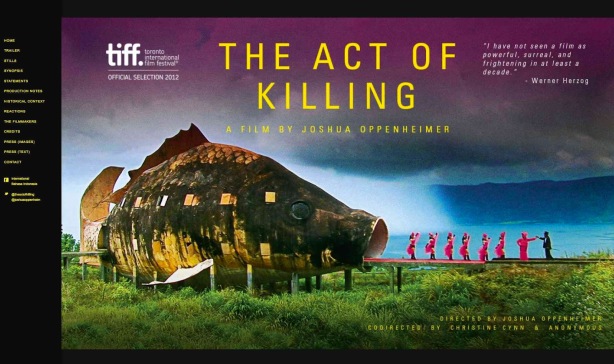
—–> Kushan Nandy on The Act of Killing
I saw this two and a half hour-plus documentary at the Toronto International Film Festival in September 2012 and was blown away. Long after the film got over, after Joshua Oppenheimer spoke about it, even much after, weeks later, the film haunted me. It did to me what Incendies had done to me a couple of years back. But much more.
Never before have I seen a film or documentary, where, during the process of film making, the characters go through a life changing process. They metamorphosize into better beings, and this becomes a part of the actual film.
For example, what would happen if someone video interviewed Modi, his political associates or even the people who were the actual executioners of the 2002 Gujarat massacres? And they all accepted their crimes and celebrated this with glee? But suddenly, one of them changed, understanding the repercussions of what he had done?
Anwar, from The Act of Killing, is a person I will never forget. He had butchered thousands. But it was this documentary, and the process of filming it, that showed him who he actually was. He can’t sleep anymore, he stutters, he throws up. He will never be the same again.
And after watching this film, I wont either.

—–> Varun Grover on Shah Rukh Khan/Jab Tak Hai Jaan
Setting: 7 degree centigrade. Fog. Railway station. A small town in North India where Shatabdi/Rajdhani trains don’t stop.
My fingers are numb and typing out each letter is like feeling the power of it. For some strange reason, the 1st image from Cinema of 2012 that comes to my mind is SRK’s bike rising above the horizon as AR Rahman’s strings go crazy in the background. The theme music of JTHJ (the one they used in promos) it is. Call it the power of music, and it can’t be anything else ‘cos I didn’t even bother to watch the film, or call it my latent romanticism.
My friends from Lucknow – who were there alongside me, fighting for tickets outside Anand cinema hall in 1997 when Dil To Paagal Hai released – watched JTHJ on 1st day in Lucknow and sent me an excited SMS telling me – “Don’t believe the reviews. It’s as good as any Yash Chopra – SRk film you’ve seen. The crowd at Novelty loved it.”
The crowd at Novelty. I was that crowd once. My life’s biggest joys came from being that crowd. Especially on being among the select few who had the matinee show ticket on the 1st day. (1st show was for loafers, matinee was for civilized middle class.)
For Dil Toh Paagal Hai, our friends’ group of 5 was split into 2. Three of us got the evening show, while two fortunate ones got the matinee show. They were clearly the winners – getting to see Maya and Rahul and a new-look Karishma before us. Also they’d get to tease us on their way out, may be telling a couple of spoilers too. So we tried our best to avoid them as their show got over and we were allowed in.
But as it turned out – the theatre owner had cut the film by 15 mins in the 1st and 2nd shows. Apparently he didn’t think the Karishma outrage scene by the river had any merit. But when he saw the audience going crazy with whatever they saw in 1st two shows, he added the cut footage back. And we, the losers till just a few hours ago, were the 1st bunch in Lucknow to watch the entire film.
This scene, Karishma blaming God for complications in love, is almost the crux of Jab Tak Hai Jaan. Though that doesn’t explain why that image of SRK is the 1st that comes to mind. My nostalgia does.
—–> Varun Grover on Paan Singh Tomar
Now inside the train. Cozy and warm. Time to think clearly.
I can’t be a cinema buff by just noting down SRK/ARR as the lasting memory of 2012. But of course there are more. Neeraj Kabi’s intellectual-saint from Ship of Theseus, Denis Lavant and Kylie Minogue singing the existential song of the year (Who Were/Are We) in a post-apocalyptic shopping mall, Sridevi’s eyes full of tears (sprinkled throughout EV), Pi’s uncle swimming in what appears to be sky, the big-screen film print grainy look on Naseer’s face as he looks in the mirror half-seduced, half-confused by Bhakti Barve’s reflection in JBDY (which re-released this year), the spaceship landing smoothly in waters next to a dense mountain in Cloud Atlas, the sad, spent face of Dimple Kapadia at Rajesh Khanna’s funeral (in contrast to a 21-year old Dimple asking Khanna which color sari she should wear for the wedding reception party in the excellent BBC docu resurrected this year due to once-superstar’s death), Gael Garcia Bernal walking away silently, amused and (maybe) depressed amidst the emotionally charged crowds of his nation in Pablo Lorrain’s excellent NO, the trailer of Nikhil Mahajan’s ‘Pune 52’ (though the film didn’t live up to the high expectations and made the trailer look like a red herring), Faisal Khan’s eyes as he lets his gun go crazy on Ramadhir Singh while singer-composer Sneha Khanwalkar screams ‘Teri kah ke loonga‘ in the background……. and I can go on and on.
But one image that will shake me for many more years, the one that is so depressing that I haven’t seen the film again even though it is, for me, one of the best films of the year – Paan Singh Tomar’s sadness at seeing his worst enemy Bhanwar Singh dead. The man who had forced Paan Singh to end his international sporting career to become a dacoit had died. And instead of being relieved, Paan Singh was left purpose-less. The cries of Paan Singh, telling Bhanwar Singh’s dead body that he will chase him in another world and get his answers still give me chills. Those lines are the best lines of the year for me, resonating so much with the cynicism and depression of our times, where one fine morning, without any notice, all good turns into hopeless, impossible bad by the apathy of the system and resident evil of vengeful human kind we are, making Paan Singh Tomar the film, a kind of socio-political version of unrequited love stories.

—–> @Anand Kadam on Talaash
This year we saw a gamut of movies from the hilarious yet fresh Vicky Donor, violently poetic Gangs Of Wasseypur, and a mystery with a pregnant femme fatale – Kahaani . But the movie that has stayed with me, which still sneaks into my mind and cuddles me, is a strange one. I call it a strange choice since this movie isn’t a great one (to be honest), and i didn’t think of it much when i watched it. But the grief stricken Shekhawat and his wife refuse to leave me. Talaash is like “Rabbit hole” with more guilt. When you lose someone very close to you, really really close, his or her or its memories sticks to you like a parasite, sucking every notion of happiness from you. You become a robot going through your daily chores with only one thing playing inside your head – how things could/would have been different. And when a small ray of hope or redemption comes into your life, even if it defies common sense, you cling on to it, not for a closure which comes later (or does it really comes) but for confronting the loss and accepting life as it is.
This is Talaash for me, not the twist, not Kareena or Aamir Khan, or the underbelly of Mumbai. And as i had said it earlier – A movie is never about its twist and if it is, it’s not worth it.
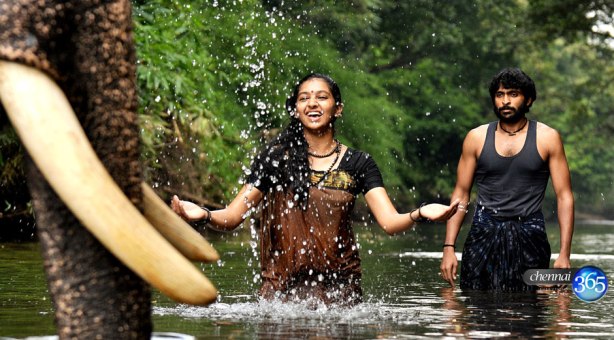
—–> @Vasan Bala on Kumki
This year, I guess, without much fuss some low budget sleeper hits happened down south. Sundarapandian, Pizza, Naduvula Konjam Pakkatha Kaanom (a few pages missing in between). This year’s Paruthiveen-set-in-the-Jungles-with-an-Elephant marked the debut of Sivaji Ganeshan’s grandson, KUMKI! Breathtakingly shot. Directed by Prabhu Solomon, the guy who made Mynaa.
The film was earlier called “Komban” (Big Tusker). It’s about a mahavat and his “timid” Elephant Kumki, which is supposed to keep a wild elephant Komban from straying into the fields. The film is basically Kumki v/s Komban. It almost reads like a Pixar film, doesn’t it? BUT….Like any south RURAL “hit” this too has it’s rugged faced man with a toothy grin walking behind a shy girl “LOU STORY”, this one too has endless walks and shy glances and grins and predictably ends in a bloody tragic battle. An epic elephant battle! and it boils down to Computer Generated Blood and Dust (hmmm..ummmm). It’s a bona fide formula now, it’s a dream debut for any Star before he graduates into City “Criminal and Cop” roles, mouthing punch lines and beating up Telugu Villains. Loved the music though.

—–> Jahan Bakshi on The Sarah Polley Double Bill : Take This Waltz & Stories We Tell
Sarah Polley delivered a double whammy this year with two diametrically different but intrinsically linked films. The first was Take This Waltz, her deeply sensual and feminine take on love, longing and those gaps in life that we try to fill in vain, and those questions about relationships that never have easy answers. Once you get over the affectedness: the overtly twee touches and some clunky dialogue at the start, Take This Waltz is in turns both superbly seductive and devastating. Michelle Williams once again, brilliantly owns her character and her mousy imperfection, and it’s clear that Margot could only spring from the mind of a filmmaker with a distinctive voice, and one who is a woman. And it contains two of the most exhilarating (musical) sequences I’ve seen at the movies this year.
In Stories We Tell, Sarah turns the camera on her own family with a brave, deeply felt documentary/personal detective story about her discovery of her real biological father, but more importantly, the meaning of family, secrets, memory and the very nature of storytelling. This must have been an impossibly hard and emotionally testing project to put together, but Polley pulls it off- life might be messy but Stories We Tell holds together very well as a rich document, revelatory in unexpected ways. Watch it when you can, and you’ll see where Take This Waltz comes from.

—–> Kartik Krishnan and Fatema Kagalwala on Shanghai
Kartik’s take
He gets to know that the system is rotten, that the investigation he was heading was flawed to start with from beginning, that beyond the scattered red herrings lay the actual ‘villain’, who incidentally is the same person who gave him the power & ‘support’ to start the investigation in the first place, that the ‘villain’ is the CM of the State.
So easy for any protagonist to become an Anna Hazare/Kejriwal in such a case, or to become a whistle blower and later face the inevitable martyrdom (ala the Satyendra Dubeys & Manjunath Shanmughams). What else can a cog in a wheel in such a scenario do? Pickup the gun like Eddie Dunford in Red Riding 1974 and blaze away? Become corrupt like Micheal Corleone or Ram Saran Pandey (Mihir Pandya has written an awesome article on Dil Pe Mat Le Yaar) ? Or run away into overexposed light like Vijay in Pyaasa? Should he accept defeat and get down to some other profession like learning Medicine (like KK Menon in HKA), or resign hopelessly like Vikas Pande in The New Delhi Times? Even Z didn’t have an answer.
He goes to the party and plays a ‘Prisoner’s Dillema‘ of sorts with his Paneer tikka-munching Boss and the other Powerful man. Eventually he somehow manages to ensure that the guilty get their comeuppance. But this ‘victory’ is hollow. As his Boss asks him “Yeh hai tumhari Justice?”, he gives a reply which was there in the promos but sadly cut out from the film – “Justice Ka Sapna Maine Chhod Diya Hai”.
And this was probably my moment of the year which is not there in the film, but there in my memory, for a long time!
Fatema’s take
The cutaway from Dr. Ahmadi’s murder to the item song. It was a stroke of brilliance. Not only technically, but as a comment on our conscience in itself. Physically it’s a jolt, meant to unsettle us and shake us up. We’ve just witnessed a murder we’ve seen hundreds of times before but what we expect to come next is NOT an item song. And so we sit up and take notice. Besides, there is the juxtapositioning of the two warring factions of the film itself, one (the ‘good’) killed like a dog on the street and the other (the ‘bad’) celebrating his decadent power in all its ugliness. And then there is that tenuous mirror to our own conscience – what’s our rtn to this cutaway? Are we glad we are back into an indulgent song-n-dance setting and away from boring Dr Ahmadi? Or gratified by our own lust? Or guilty about feeling so? Or disgusted to watch such sharp contrasts unfolding in front of us? Or do we feel the cut is an over-sighted mistake? That the director doesn’t know what he is doing? The answer to this is a huge part of our response to the film and to think AND achieve something like this is no less than genius.
 —–> Shripriya Mahesh on Beasts Of The Southern Wild
—–> Shripriya Mahesh on Beasts Of The Southern WildThe movie of the year for me was Beasts of the Southern Wild. I saw it in Sundance in January 2012 at it’s premier. I knew very little about the movie going in because the filmmakers were careful about not even putting out a trailer before the premier.
It was instantly captivating. I love the world Benh Zeitlin creates. It is constantly surprising, always engaging. All the actors are local and that lends significant authenticity to the world (bigwig directors would do well to take note). It tackles such powerful themes, but all from the perspective of the little girl, Hushpuppy, played to perfection by the adorable Quevenzhané Wallis.
There are no long speeches about government control, environmental disasters or about the right to live freely in a manner you choose. No sermonizing. The visuals speak and the magical realism is very nicely done. The music (also composed by Zeitlin) and the the production design really elevate this movie.
And it’s a debut feature. It won the Camera d’Or and Sundance.
Since the film’s theatrical release, there has been a fair share of haters. But for me, it just worked. Eleven months later, I still think about it.

—–>Mihir Desai on Fjögur Píanó
There are times when I can’t put things in words, I feel the need to express and communicate in visuals. Visuals stick with me and this year one such visual experiment has been playing in my head for the longest time. Directed by Alma Har’el, the Sigur Rós music video, Fjögur Píanó.
Har’el, director of last year’s surreal documentary Bombay Beach creates this gorgeous portrait about the painful pleasures of love. The couple, addicted to each other only really ‘feel’ the pain when separated. The edit juxtaposes the bruises on the girl with the boy softly touching the butterfly. This image stuck with me and Alma Har’el’s quote sums it up so perfectly, “For me it’s about not knowing how to get out of something without causing pain to somebody else.” Without lyrics Alma Har’el has created this beautiful story which I feel was one of the best, cinematic experiences of the year. Due credit to Sigur Rós’ music that inspired Alma Har’el to create this world. Click here to watch the video if you still haven’t seen it.
Other Picks: Celluloid Man, Last Ride, Rampart, Once Upon A Time In Anatolia, Holy Motors, Your Sister’s Sister.

—–> Neeraj Ghaywan on Supermen Of Malegaon
At the surface it may be about the lives of people dreaming about film-making with empty stomachs and hearts full of passion, it could be about an accidental hero, about a world we have never seen but still seems so close. The director is never interested in milking the tragedy of the crew’s limitations, their poverty or the tragic loss of the lead character. Instead, she turns it all into a celebration of life, we smile along with the characters who are making the film, in a way we reflect upon our own personal constraints and learn to laugh at them. It is a comment on the Bollywood system of over-produced film-making, it is paying homage to films of the 80s/90s, it’s also a drawing lessons about how to keep going at it even when there is no hope, it is philosophical at times, it is laughing at itself too.
A film that is so simple in its structure and still speak at so many levels is remarkable. And above everything, it inspires you to take the plunge without thinking twice. When I saw the film, I wanted to get out of the hall and start shooting a film immediately. The biggest achievement of this film is that it goes beyond the confines of being a documentary and touches you more than a big budget fiction based feature.

—–> Ranjib Mazumder on Koormavatara and Makkhi

Be it a random blogger or a certified critic, everyone is Noah on internet and takes no time to float the boat of top ten lists. Like the middle-class father comparing his kids among themselves or with other families, we always manage to make a list of ten best films every year, irrespective of their debatable qualities. I am no exception.
However, when I was asked to contribute for this collaborative piece after shutting the eyelids, a bald man appeared in front of my eyes, riding a fly. So, here I am, writing (only because I have been threatened with sarcasm) on two of the most remarkable Indian films of 2012.
Koormavatara
It starts late at MFF 2012. I am almost certain that I would leave it midway because Hansal Mehta’s Shahid is right after it and almost everyone from my group is going for it. The film opens, Godse shoots Gandhi and my doubts evaporated in no time. This is the world of an old man, disinclined to show emotions and engrossed only in his mundane office work and his little grandson. A Gandhi lookalike, when he is approached to play Gandhi in a TV show, he vehemently opposes but gives in due to the greedy family tentacles. Gandhi, like the fourth passenger in Mumbai locals, slowly invades his life, brings him down to the level of helpless co-passengers. Like a master of swift attack, Girish Kasaravalli breaks down the middle-class system and releases the Gandhi in him, leaving him in the midst of incessant disintegration of his surroundings. Rajkumar Hirani’s Munnabhai MBBS was a joy to behold, but Lage Raho Munnabhi, despite a splendid screenplay, offended the adult in me, with its preachy attitude. Without making him God, Koormavatara makes Gandhi accessible showing the mighty repercussions it can have in a typical family in independent India. As far as breaking down the myth of Mahatma, this is the best we have seen so far.
Makkhi
With scenes dipped in liquid cheese, a boy constantly stalks a girl with trite expressions; Makkhi was loathsome in the first 20 minutes. I wanted that boy to just die. Thankfully he did thanks to the overdramatic villain, soon after I wished. Little shaky special effects took charge. And I witnessed the most inventive revenge drama this year. A fly killing a mighty man is simply an impossible idea! But the way this little soldier choreographs his action scenes in the concrete fort of the villain, you can’t help but root for an insect that you have always detested. The triumph of S S Rajamouli’s film lies in the sheer leap of faith. We are yet to have our Jaws, but this is the one that comes closest to the idea of a fantastically executed concept film.

—–> Pratim D. Gupta on Kahaani
Parineeta did the same thing for me in 2005. Celebrate Calcutta! And how. It reminded me of the way Mira Nair shot Delhi in Monsoon Wedding and Taj Mahal in The Namesake, almost pausing the narrative to just soak in the sensuality of the space. You sexy! Also what Sujoy Ghosh did brilliantly was inculcate his love for cinema in the many myriad moments of the movie in a way that they never became copie conformes but rambunctious references that served those respective scenes just fine. From Satyajit Ray to Salim-Javed to Bryan Singer. And those eyes of Bidya Balan when she looks up in the twist-revealing scene before unleashing her real self. Eyes filled with hurt, vengeance and rage…Our own Beatrice Kiddo? Present please!
—–> Svetlana Naudiyal on Ship Of Theseus
I don’t see all films that release in the year (and I am kind of unabashedly arrogant about it; can’t spend moneys contributing to someone’s 100 crores or out of sympathies to so called indie/different films), so my opinion from the very beginning of it, is skewed. The indie film movement (or whatever there is of it) took a whole new leap with PVR Director’s Rare creating a platform for their release. And even though in my personal opinion, indie films are becoming the cinema equivalent of DSLR carrying people with so & so photography facebook pages (read opinion as – ‘people should be banned, either from making films or from expecting people to watch’), there have been moments of pure delight at the movies in 2012 than years before that, much thanks to the few Indie films that released this year.
Some of the favourites this year are Supermen of Malegaon (one of the best, a documentary so delightful, hard hitting and yet nowhere remotely close to being poverty porn), Kshay (for Chhaya), Gattu (for finally bringing to the screen an unpolished, bratty, clever, naive and most importantly, real kid), Shanghai (for creating that discomfort that exists in our world and we do not see) , Anhey Ghorhey Da Daan (for creating a cinema experience like no other, for delving into time space and making the silences speak)
The most favorite of all that I managed to see in 2012 would be Ship of Theseus for its language, for its being able to be so unique, so evolved in thought and yet not have an iota of pretentiousness and be accessible to just anyone. For the benchmark it creates not just for indie filmmakers but Indian cinema, in general. I am dying to point out and quote every single nuance I loved, but that should be saved for the film’s release. For the smallest of elements it picks and for the whole it creates. For repeating itself like a poem long after you’ve seen it. This is Cinema!!

—–> Mihir Pandya on “अन्हें घोड़े दा दान” (पंजाबी), निर्देशक – गुरविंदर सिंह
एका – कदमों का, कराहों का, नांइसाफ़ियों का, नकार का। एका – दुख: का, संघर्ष का, सपनों का, समता का। वही इंसानी पैरों का जत्था जिसकी मूक कदमताल में पलटकर मेलू सिंह के पिता शामिल हो जाते हैं। किसी अभ्रक से चमकते इंसानी इरादों का जत्था, जिसका सीधा मुकाबला समाजसत्ता अौर राज्यसत्ता के मध्य हुए भ्रष्ट समझौते से तैयार हुई दुनाली दुरुभिसंधि से होना है। किसी ख़ास दिशा में सतत बढ़ते चले जा रहे वे कदम कोरी भीड़ भर नहीं, वे जनता हैं। एक अात्मचेतस समूह। निर्देशक गुरविंदर सिंह की ‘अन्हें घोड़े दा दान’ के इस विरल संवादों से बने विस्मयकारी दृश्य में, जिसके अन्त में सरपंच की दुनाली के सामने गाँव के दलित फ़कत लाठियाँ किए खड़े हैं, अाप सोचते हैं कि अाख़िर वो कौनसी अात्महंता चेतना है जिसने उन्हें वहाँ साथ अा खड़े होने का यह गर्वीला माद्दा दिया है?
बराबरी का सपना। समता का सपना। यह खुद अपने में पूरा मूल्य है। गैरबराबरी के अंधेरी सुरंग रूपी वर्तमान के अाख़िर में न्याय अौर समानता रूपी किसी उजले सिरे के होने का यूटोपियाई स्वप्न। बराबरी स्वयं ऐसा मूल्य है जिसके लिए लड़ा जा सकता है, जिसके लिए मरा जा सकता है। अौर जिस दिन एक दलित दूसरे के लिए खड़ा होता है, एक शोषित दूसरे शोषित के हक़ की अावाज़ का साझेदार बनता है, वह सदियों से जड़वत इस सत्ता व्यवस्था के लिए अंत का बिगुल है। यह दलित चेतना सबक है जानने का कि हमारी देश के भीतर की तमाम पुरानी संरचनाएं कहीं गहरे बदल रही हैं। यह शोषित की साझेदारी है। यह दुख का एका है। वो बस एक फ्रेम भर है ़फ़िल्म में। गाँव के सरपंच की दुनाली के सामने डटकर खड़े मेरी पिता की उमर के ये निहत्थे भूमिहीन किसान। लेकिन इस एक फ्रेम में अक्स है मणिपुर की उन तमाम माअों का जिन्होंने अपनी उस एक बेटी के लिए खुद को विद्रोह में उठे जिंदा माँस के झंडों में बदल लिया था। इनमें अक्स है सशस्त्र सेना का सामना पत्थरों से करने का दम रखने वाली उस नौजवान पीढ़ी का जिनकी ज़बान पर बस यही गूँजता रहा, “हम क्या चाहते… अाज़ादी”। इनमें अक्स है खंडवा मध्य प्रदेश के उन किसानों का जिनकी सामूहिक जल समाधि ने एक बहरी सरकार को भी सुनने अौर अपना फैसला बदलने पर मजबूर कर दिया। अौर इनमें मेरी ही उमर के उन दो नौजवान साथियों का भी अक्स है जो रविवार की उस रात उस बस में इंसानी जिस्म की हदों के पार जाकर भी अंत तक लड़ते रहे, एक-दूसरे के लिए। बराबरी के उस अप्राप्य दिखते स्वप्न के लिए जो सदा ‘फेंस के उधर’ रही इन अाँखों ने अब देख लिया है।
So this was our list. Do comment and share your movie memories/thoughts/opinions of this year.
Mumbai Film Festival, 2012 – Varun Grover’s Diary (Day 1)
Posted: October 21, 2012 by moifightclub in cinema, film, Film Festival, film review, Movie Recco, movie reviews, Mumbai Film Festival, NewsTags: Beasts of the Southern Wild, Mumbai Film festival, Stories We Tell, Throw of Dice, Varun Grover
Writer, observer, cynic – That’s how Varun Grover defines himself in his twitter bio. If you have been following this blog for a long time, you obviously know him. If not, he’s the multi-talented man behind the terrific lyrics of Gangs Of Wasseypur and is also a well known stand-up comic.
Like last year, Varun is writing his Mumbai Film Festival diary this year too.
यह निरा रोमांटिक सा आइडिया है, डायरियाँ लिखना. और मैं अब ३० पार करने के बाद ख़ासा रोमांटिक रहा नहीं. पर डायरी लिखना समय को पकड़ने की एक कोशिश भी है, जो लोग ३० पार करने के बाद ज्यादा करने लगते हैं. तो यह वो वाली डायरी है जो खुद को भरोसा दिलाना चाहती है कि इसकी असली value आज नहीं, आज से ५० साल बाद होगी जब हम ना होंगे, जब कोई इसे मुड़ के खोलेगा और इसे antique वाली इज्ज़त देगा.
इस ब्लॉग पर आखिरी पोस्ट पिछले साल के मुम्बई फिल्म फेस्टिवल की डायरी से ही है. साल बीता, लोग बिगड़े, देश पर और गर्त चढ़ी, और फिल्म फेस्टिवल वापस आया. आज सुबह तक सोचा था इस साल डायरी नहीं लिखूँगा क्योंकि इस बार फेस्टिवल का venue घर से बहुत दूर है…आने जाने में ही हर रोज़ साढ़े तीन घंटे बर्बाद हो रहे हैं तो लिखने के लिए अलग से समय कैसे निकले? लेकिन अभी अभी बस, १० मिनट पहले सोचा, कि समय तो उतना धीरे चलता है जितना तेज़ आप टाइप कर सकें. तो सिर्फ कोशिश है….जो आज है, कल हो सकता है ना हो.

Stories We Tell/2012/Sarah Polley/Canada : कम से कम एक उम्र में सबको लगता है कि उनका परिवार weird है. जिनको बचपन में लगता है, उनको बड़े होकर नहीं लगता (क्योंकि शायद वो खुद वैसे हो जाते हैं), और जिनको बचपन में नहीं लगता, उनको बड़े होकर लगता है. Sarah Polley ने अपने बिखरे से (महा-weird) परिवार को जोड़ने की कोशिश की है, अपने परिवार के हर सदस्य को एक ही कहानी अपने अपने निजी point-of-view से सुनाने को कहकर. Documentary और drama का इतना शानदार मिश्रण मैंने पहले तो कभी नहीं देखा. Sarah Polley और उनके पिता Michael Polley (जिनकी आँखें बहुत उदास लेकिन आवाज़ बहुत खनक वाली है) एक साउंड-स्टूडियो में हैं जहां Michael Sarah की दी हुयी एक स्क्रिप्ट अपनी आवाज़ में रिकार्ड कर रहे हैं. कैमरा चल रहा है, माइकल जो कहानी कह रहे हैं वो बाप-बेटी दोनों की है. लेकिन माइकल भी उसे ऐसे कह रहे हैं जैसे वो किसी तीसरे की हो. लेकिन धीरे धीरे और किरदार जुड़ते हैं, सब Sarah को Sarah की ही कहानी सुनाते हैं (“मुझे वो भी बताओ जो मुझे पता है, और ऐसे बताओ जैसे मैंने कभी नहीं सुना”, Sarah शुरू में ही यह निर्देश देती है), और आगे बढ़ते बढ़ते फिल्म memories, love, और closure पर एक अद्भुत व्याख्यान बन जाती है.

Beasts of the Southern Wild/2012/Benh Zeitlin/USA: बहुत चर्चे थे इस फिल्म के. Cannes फिल्म फेस्टिवल में Camera d’Or के अलावा ३ और अवार्ड जीते हैं और Sundance में Grand Jury Prize जीता है. मतलब जैसे कोई नामी पहलवान रिंग में आता है, वैसे यह फिल्म जमशेद भाभा थियेटर में आई. और शुरू के पाँच मिनट में ही पूरा मुकाबला जीत लिया. शुद्ध पॉपुलर सिनेमा की आत्मा (uplifting, underdog story), उसपर art cinema की तकनीक का चोगा (imaginative, allegorical, भयानक sound design और music), और चोगे में Indie Cinema की छोटी-छोटी जेबें. पत्थर जैसे बाप और 6 साल की, खुद को प्राग-ऐतेहासिक जीव मानने वाली बेटी की कहानी (हालांकि बहुत देर में पता चला कि वो बेटी है, बेटा नहीं) – जो उनके छोटे से टापू पर आये तूफ़ान के बाद का struggle ऐसे दिखाती है जैसे कविता कह रही हो. अगर थियेटर वाले बत्तियां जल्दी नहीं जलाते तो मैं अंत में और देर तक रोता.

Throw of Dice/1929/Franz Austen/India-Germany: यह वाली सिर्फ इसलिए देखी क्योंकि Germany से एक Orchestra आया था जो इस silent फिल्म के साथ live music बजा रहा था. यह अनोखा अनुभव फिर कहाँ मिलेगा यह सोच कर हंसल मेहता की ‘शाहिद’ आज कुर्बान करनी पड़ी. और जितना सोचा था, उससे कहीं ज्यादा मज़ा आया. फिल्म अपने आप में बहुत सरल, और काफी मायनों में मसाला थी. जर्मन निर्देशक को हिन्दुस्तानी exotica बेचना था शायद…गाँव की गोरी बनी हिरोइन को अपने पल्लू का भी सहूर नहीं था (क्योंकि वो कोई एंग्लो-इन्डियन ऐक्ट्रेस थी), हाथी, सपेरे, आग खाने वाले कलाबाज़ वगैरह बड़ी देर तक कैमरे के आगे रहे, राजा निरे ऐय्याश और प्रजा निरी stockholm complex की मारी. लेकिन असली खेल Orchestra का ही था. सिर्फ ८-१० तरह के trumpets, २ तरह के drums, और चिमटा-घंटी से उन्होंने जो समां बाँधा वो out-worldly था. एक तरह से फिल्म को कई जगहों पर reinterpret कर दिया उन्होंने. जहां सीन बहुत self-serious था, वहाँ orchestra ने ‘मेरे हाथों में नौ-नौ चूड़ियाँ हैं’ का एक version बजा कर परदे की कहानी को एक अलग layer दे दी.
और फिल्म ख़तम होने पर मिली तालियों से musicians इतने खुश हुए कि उन्होंने जाते-जाते एक ऐसी धमाल धुन बजाई कि १००० लोगों से भरा auditorium खड़े होकर साथ-साथ लगातार ताली बजाता रहा. पहले दिन का आखिरी अलौकिक राग!
*********
कल क्या देखना है?: Ai Wei-Wei पर एक documentary है, Jacques Audiard की Rust and Bone है (जिसमें खूब भीड़ होने की पूरी संभावना है), और Takeshi Kitano की कान में पेचकस घुसा के मारने वाली Outrage:Beyond है.
(This was first posted on Varun Grover’s blog.)
Music Review: Gangs of Wasseypur – 2
Posted: July 24, 2012 by moifightclub in cinema, music, reviewsTags: Aabroo, anurag kashyap, Deepak Kumar, Gangs Of Wasseypur, GoW2, Kaala, Moora, Piyush Mishra, Rasika D Rani, Robbie Styles, Sharada Sinha, Sneha Khanwalkar, Taar Bijli, Varun Grover

Though the music CDs are still to hit the stores, the music of Gangs of Wasseypur – 2 is out online. Our regular (almost in-house) music critic Rohit has sent in this post. Padho aur suno!
(Rohit wrote on GoW-1 music too, here. And a recent post on GoW-2 lyrics by Varun Grover, here.)
Over to Rohit…
***********
Even Apple isn’t so tight lipped about their new products! We don’t know if it was the music company or the production house but the fact remains, the music being released 3 odd weeks before the film is to be released isn’t a great idea no matter what logic is thrown at us. The songs need some space of their own as well. Anyway, let’s get down to business.
1. Chicha ledar – The song starts with that familiar sound that all the people who lived near a cotton extracting/beating shop would easily identify. (Those huge sitar-like equipments) and then with appropriate ‘building up’ the song launches into a constant beat arrangement and in comes Durga. Backed by extremely good lyrics the song grabs you and runs and runs. Special mention of the amazing use of words like ‘cheecha ledar, sarau, word play (whether i like the weather)’. The constant ‘joota joota joota’ gives the song a ‘remixed’ feel and then the ‘dub step’ comes in. Maha-amaJing! My grouse with the song is that it is JUST 4 minutes. Clearly a GAJJJJAB start to the album! (Varun insists that the usage of ‘sarau’ is a tribute to Lucknow, I must add).
Special mention of Durga (the 12-year old singer), listen carefully how she says ‘dil’ in the song. Everytime. That’s called hugging the lyrics and not just singing it. Kudos!
2. Kaala re – Sneha khanwalkar. at. her. best. If the ‘keh ke loonga’ made us all hear Sneha launch into her ‘catty’ avatar, this one explores the playful undertones (with a very dark and haunting cello/bass arrangement). Saiyyan kartey ji coal-bazari. A song that’s helped a great deal by excellent lyrics. (Kaala bilkul surmey wala). All shades of black, explored. very. well. Perhaps some parallel will be drawn with the sound of A.R. Rahman.
3. Electric piya – Rasika D Rani starts off (and must say the pronunciation of ‘elektric’ is very very ‘chic’!’), then a very bhojpuri (Trinidad Tobago also?) music setting takes over (aided by ‘casio’like sound, harmonium, dholak and manjeeras). Dholak and Harmonium are quite prominent in addition to the vocals. A very naughty (in a very un-womaniya way) song. This is more like leg pulling of your ‘piya’. The words are pronounced in a flow and might not be able to get into the mind immediately. Repeat the song and you will find yourself smiling.
4. Bahut Khoob – I am VERY interested to see the way this is going to be filmed. Very theatrical in the way it uses the voice of the kids (And at times Sneha in between). Hear it to make an opinion on the song. Mix and scratch and mix and scratch again and again!
5. Taar bijli – Harmonium with a lot of female backup singers (and some ‘chammach’ on dholak) leaves us with Padamshree Sharda Sinha to weave magic. The setting is very playful. Lyrics full of gentle banter directed towards her in-laws by the bride. ‘Na idhar na udhar hi sihaare piya’…! excellent lyrics. The song is NOT another ‘womaniya’. While Womaniya was more ‘intimate, naughty and personal’, this one puts out the banter in open and poses some questions to the entire family about the bridegroom. The song is actually a satire on the worsening condition of Bihar in 80s and 90s. Perhaps the most conventional song of the pack. Sweet and melodious.
6. Aabroo – Starts with bulbul tarang and dholak. The setting is very ‘gali mohalla’ style. Piyush mishra (and you can picture him sitting on a ‘chowk’ surrounded by people. A little different from his normal style, Piyush Mishra emotes ‘ekdam ghus key’. Bhupesh singh very smartly contests Piyush Mishra (not teams up, contests). An election campaign song, it’s the ‘compteesan’ that has been got music as a background. Kudos to Piyush Mishra! Hilarious to the core. A genre that has resurfaced after a long time,
7. Perpendicular theme – Using a mix of brass band and other sounds, this less than a 2 minute track ends too soon (May be weird just for me, because I am used to the ‘themes’ being longer). A kid’s playful voice a shehnai (may be) and drums at times. Also, the brass band plays a tune in between. I have heard it somewhere and can’t put a finger to it. Who can remember it? I liked the song but disliked the fact it’s too short. The theme is paced so well that you would want to listen to it for a longer duration but then, it ends.
8. Moora – Guitar and mandolin together and you know the song will make you smile. Sneha khanwalkar gives a whispering start to the song. Chiefly using Mandolin and Guitar (just ‘by the side’ arrangement), the beauty of the song is that the vocals are also understated. Would have liked a little more ‘energy’ in the vocals. The lyrics anyway talk of hope so found this version a little dim. The interesting part of this version is a faint male voice. It’s the voice of Robbie styles from Trinidad who played cuatro and mandolin in the song. Best part – he doesn’t know Hindi.
9. Tunya – Bulbultarang’s excellent use with the members of ‘Baal party’ (and if you hear attentively I guess there is a bit of Sneha in the background too). This is just 1:22 minutes track and boy is it sticky or what? As I continue to complain about the duration of this track I can’t help but feel this will make a great ringtone too!
10. Bahut Khoob (8 Bit dubstep) – Excellent use of the 8 bit dubstep arrangement has made this piece (which is still less than 3 minutes!) breezy and intriguing at the same time. From 1:50 minutes, Sneha uses Super Mario music (with altered tempo) and then constructs a bit of her own tune around it. This is sheer brilliance! (90s kids, rejoice!). Although in the lyrics post, it was mentioned that the words are random, I am quite sure that the kids are referring to the movements of a train. Varun (the lyricist) points out that the song refers to the movement of ‘Ganga, the river’. Hear hear and then let’s discuss?
11. Electric piya (Fused) – Not remixed, Fused! Pretty straight forward ‘fused’ version. Harmonium remains and is aided by uniform beats and at times echo. Didn’t like this version much. May be you will. Try it out.
12. Moora (Morning) – Compared to the previous version of ‘Moora’, this one starts with more instruments and the mandolin makes way for The ‘Humni ke chori ke nagariya’ boy Deepak gets behind the microphone again to give us a more soulful rendition of this song. Lyrics, excellent. Energy (and music arrangement) – Up to the mark! No guitar. Some echo. Some trance like sound. Kabir-sque lyrics. Ends very very techno istyle! My pick of the album, this.
13. KKL – Sneha! Sneha! echoes ‘KKL’ which is nothing but Keh ke loonga. This version will tickle all the ‘techno junkies’ at the right places. If we remember right, the ‘loonga loonga keh ke’ (from part 1 isn’t used in Gangs of Wasseypur part 1, the film). This track features the all male chorus from the song and then mixes up with tiny bits of Sneha’s voice. Sneha has used the bits from the part 1 song superbly! This is what you can easily call as a ‘ball busting ass kicking’ music arrangement. (Try getting the ‘चीख’ of sneha out of your head when she goes ‘Teri keh ke longaaaaaaa’.) What I shudder thinking about is – our reality TV shows will kill this song by ‘performing’ on this.
A lot of talk has happened pointing directly towards how some of the tracks in Gangs of wasseypur sound like ‘Sound trippin’. If we are to go back in time by say 2 years (when Gangs of wasseypur’s music was being made), MTV had no idea of Sound trippin. Could it not be a possibility that Sound trippin came AFTER viacomm heard the music and sounded off their Music channel to make a show around these ‘unique’ songs and sounds that Sneha accumulated? Think about it.
With the Music of Gangs of Wasseypur 1, sitting pretty already and other credentials in her bag (rather backpack!), Sneha Khanwalkar delivers a different sound with this album. While the Gangs of Wasseypur 1 album was tilted heavily towards the folk sound, this one is more contemporary. The selection of singers and lyrics continue to play a smart role in the overall feel of the album. Piyush mishra appears for just one song and hits a home run. Varun Grover should probably start preparing for a speech already because kala rey will cause a lot of cheecha ledar and might make a moora of a lot of lyricists this year. All we shall do is just celebrate the arrival of a deeply rooted (to the story line and narration) lyricist and yes the words bahut khoob will be incidental.
Our pick – Entire album. With so much prem pritam pyare and bro-jid-esque music around, if any album is worth your full time, it is this.
First Look : Ashish R Shukla’s Prague (Poster + Pics + Official synopsis)
Posted: July 20, 2012 by moifightclub in cast & crew, cinema, film, first look, Indie, News, pics, Poster, Story / Plot / SynopsisTags: Arfi Lamba, Atif Afzal, Chandan Roy Sanyal, Daniela Fojtu, Elena Kazan, first look, Lucien Zell, Mayank Kumar, Meghna Manchanda Sen, pics, poster, Prague, Rohit Khaitan, Sanjay Chaturvedi, Snyopsis, Sonia Bindra, Sumit Saxena, Sunil Pathare, Udaysingh Mohite, Vaibhav Suman, Varun Grover
Blame it on that thing called life, we have been bit irregular with that other thing called cinema, and so the updates have been missing. Here’s a fresh start with a new film called Prague.
Prague is the directorial debut of Ashish Shukla. And since Ashish is a good friend, we might be bit biased. But that doesn’t take away anything from his talent and his previous works which we have seen and loved. And hopefully you all will agree soon. Here’s the first look of Prague – an interesting poster and some stills from the film.
And here’s the official synopsis….
A city with a history of heritage, myth and superstition. A passionate architect with hang ups and delusions about love and life. A Czech gypsy girl looking for her identity and love. Add to that a mean friend you can’t get away with and can’t trust. And a left out- left over of someone who isn’t really there but doesn’t leave you alone. All of them come together, interfering, manipulating, coaxing and torturing each other as their search for peace, freedom and love continues.
This film is a psychological thrilling ride which takes you to the darkest corners of your mind, the shut down alleys of your soul and the graveyard of your heart.
– It stars Chandan Roy Sanyal, Arfi Lamba, Mayank Kumar, Sonia Bindra, Elena Kazan, Lucien Zell & Vaibhav Suman.
– Interestingly, it’s the debut feature for most of them which includes the Producer, Director, DP, Composer, Cast (Arfi Lamba, Sonia Bindra, Mayank Kumar), Costume Designer, Production designer.
Other credits and details are as follows….
Title : PRAGUE
Language : Hindi/ Czech/ English
Duration : 105mins
Genre : Psychological Drama, Romance
Songs : Background Scores/ OST
Shooting Locales : Prague/ Mumbai/ New Delhi
Produced by : Rohit Khaitan, Sunil Pathare
Executive Producer : Bombay Berlin Film Production
Cinematographer : Udaysingh Mohite
Editor : Meghna Manchanda Sen
Sound : Sanjay Chaturvedi
Music : Atif Afzal, Daniela Fojtu (Czech original Score)
Lyrics : Varun Grover
Concept : Rohit Khaitan
Story : Ashish R. Shukla
Screenplay & Dialogues : Sumit Saxena & Ashish R. Shukla
Additional Screenplay : Akshendra Mishra & Vijay Verma
Director : Ashish R. Shukla
– The film will have its world premiere in the “Indian Competition” section of the Osian’s Cinefan Film Festival. For more details, click here and here.
Gangs of Wasseypur 2 – Songs w/ Lyrics
Posted: July 16, 2012 by moifightclub in cinema, Lyrics, musicTags: Aabroo, anurag kashyap, Bahut Khoob, Cannes, Chhi Chha, Chi Cha, Electric Piya, Gangs Of Wasseypur, GoW, Kaala Re, Moora, music, Piyush Mishra, Sneha Khanwalkar, Taar Bijli, Varun Grover

The much awaited music (by Sneha Khanwalkar) of part 2 of Anurag Kashyap’s gangster-political-crime-drama Gangs of Wasseypur is finally out. Just 3 weeks before the film’s release on 8th August. A tad bit late, some may feel but der-durust and all that.
Given the film’s bhojpuri-mixed-Hindi dialect, we thought of doing another post (like last time) with lyrics. And embedded the songs too from soundcloud, so that you can read and sing-along if in the mood. Over to album’s co-lyricist Varun Grover.
*******
२ साल, और उन दो सालों के हर दिन के चौबीसों घंटे लगे यहाँ तक पहुँचने में. इतना intense क्रियटिव प्रोसेस मैंने इससे पहले कभी नहीं देखा था. और थोड़े दिन पहले तक भी मुझे लग रहा था कि वो दिन कभी आएगा ही नहीं जब वासेपुर के गानों का काम खतम हो जाएगा. लेकिन आ गया है. सारे गाने एक-एक कर के यहाँ नीचे हैं…शब्दों के साथ.
और सबके बारे में २-२ लाइनें भी.
छीछालेदर: Singer: Durga, Lyrics: Varun Grover
‘छीछालेदर’ शब्द अनुराग कश्यप ने दिया. उनको एक बिना लॉजिक का गाना चाहिए था. कैरेक्टर स्केच की तरह. बस टुकड़ों-टुकड़ों में किसी बंदे की व्याख्या करते हुए. गाया है १२-१३ साल की दुर्गा ने जो मूलतः आंध्र प्रदेश की है.
Mera joota fake leather,
Dil chichha-ledar
Wo humse poochey whether,
I like the weather
Chamcham waali goggle, bhool ke sarahu bhaage,
Makhmal waala maflar, chhorh ke sarahu bhaagey
Tere naam ke raadhe bhaiyya
Najar kateeli laser.
Mera joota fake leather,
Dil chichha-ledar
Wo humse poochey whether,
I like the weather
Hedar-dedar hedar-dedar
Dil chhichha-ledar
Maar tamaam haraamkhori,
lambi lambi chhorhe
Kare tikalla, jaat aghori,
Bani banaayi godhey…
Maar tamaam haraamkhori,
lambi lambi chhorhe
Daant se kholey beer botal,
Nain se loha modey-modey…
Nakshebaaji haath mein lekar,
Sab rangbaaji saath mein lekar,
Dar se farr se bedar…(2)
Hedar-dedar hedar-dedar (4)
Dil chhichha-ledar…
काला रे: Singer: Sneha Khanwalkar, Lyrics: Varun Grover
फिल्म का इकलौता ‘रोमांटिक’ गाना. लेकिन क्योंकि हीरो (फैज़ल खान) गैंगस्टर भी है और काला भी, इसलिए गाना भी थोड़ा dark और haunting बनाना था.
Kaala re, saiyyaan, kaala re…
Mann kaala re, tann kaala re,
Kaali zubaan ki kaali gaari….
Kaale din ki kaali shaamein,
Saiyyaan karte ji kolbazaari…
Bairi kol kol kol, chheney tol tol tol,
Chhat aangan chaar deewari…
Saiyyaan karte ji…saiyyaan karte ji…
Saiyyan karte ji kolbazaari…
Kaali mitti, kutta kaala,
Kaala bilkul surmey waala,
Kaala kauvva, hauvva kaala….
Kaala baadal ghirne waala,
Kaala moti, girne waala,
Kaala jhanda, danda kaala….
Kaala batua, paisa kaala..
Kaali aankhon jaisa kaala,
Kaali agni…
Kaali garmi, sooraj kaala,
Kaala beegha, aur gaj kaala,
Kaali baaati…haathi kaala…
Kaala-kaala-kaala…
Bairi coal coal…
Bairi kol kol kol,
chheeney whole-sole-tol….
Rang paani aur pichkaari…
Saiyyaan karte ji…saiyyaan karte ji…
Saiyyan karte ji kolbazaari…
बहुत खूब: Singer: A group of school kids (एक बच्चे का नाम, जिसकी आवाज़ में कविता सबसे ज़्यादा है: पड़फूल था.)
यह किसी ने नहीं लिखा. बिहार में फिल्म पर रिसर्च के दौरान स्नेहा मुज़फ्फरपुर के बेरिया गाँव में पहुंची. स्कूल से लौटे बच्चों ने टेक्नोलोजी से लदे ‘शहरी’ ग्रुप को घेर लिया. स्नेहा ने बच्चों से कहा कोई कविता सुनाओ, मैं रिकार्ड करूंगी. वही आवाजें रिकार्ड की और फिर उन्हीं को जोड़ कर यह गीत बना.
Bahut khoob Bahut khoob Bahut khoob
Chakachak kumari..
Chattanon se krida karti
Kal kal karti, chal chal karti
Chattanon se krida karti
Kabhi idhar mud, kabhi udhar mud
Ban parbat mein lipti chhupti.
Dharti ke har kisi chor se,
Ban parbat ke kisi mod se
Boond boond se bana hai, kaun
Chaar dhaamon se juda hai, kaun.
Bahut khoob Bahut khoob Bahut khoob
मूरा: Singer: Sneha Khanwalkar/Deepak Kumar Lyrics: Varun Grover
इस गीत के दो versions हैं. एक स्नेहा की आवाज़ में और दूसरा दीपक कुमार (जिसने Gow-1 में ‘हमनी के छोरी के’ गाया था) की आवाज़ में. कोशिश थी एक tongue-in-cheek pep-talk song लिखने की. IT-BHU में रहते हुए hostel में ‘फ्रस्टियाओ’ और ‘नर्भसाओ’ बहुत सुना था. वो काम आया. इसमें भी स्नेहा की संगत में एक कैलिप्सो बैंड है, उसके कैरिबियन रिसर्च के दौरान ढूँढा हुआ.
Moora Morning (sung by Deepak Kumar)
Frustiyaao nahin moora,
Narbhasaao nahin moora,
Anytime moodwa ko,
Anytime moodwa ko,
Upsettaao nahin moora…
Anytime moodwa ko,
Anytime moodwa ko,
Upsettaao nahin moora…
Jo bhi wrongwa hai usey,
Set right-wa karo ji,
Naahin loojiye ji hope,
Thoda fightwa karo ji…
Jo bhi wrongwa hai usey,
Set right-wa karo ji,
Naahin loojiye ji hope,
Thoda fightwa karo ji…moora…
Anytime moodwa ko,
Anytime moodwa ko,
Upsettaao nahin moora…
Kaahe muthhi mein pakad,
Raha paniya re moora…
Kaahe muthhi mein pakar,
Raha paniya re moora…
Rahe paani ki na yaad
Naa nisaniya re moora
Startey startey startey..
Startey brainwa re moora,
Charh trainwa re moora,
Startey brainwa re moora,
Charh trainwa re moora,
Naahin pagla re bann,
Act sane-wa re moora..
Anytime anytime,
Hai yeh retiya kaa ghar,
Anytime anytime,
Bharbharaao nahin moora..
Anytime anytime,
Diye chance-wa jo life,
Refuse-aao nahin moora…
Sakpakaao nahin moora,
Latpataao nahin moora…
Sakpakaao nahin moora,
Latpataao nahin moora…
Anytime moodwa ko,
Anytime moodwa ko,
Upsettaao nahin moora…
आबरू: Singer: Bhupesh Singh, Piyush Mishra, Lyrics: Piyush Mishra
कव्वाली-मुकाबला जैसी शैली में रामाधीर सिंह और फैज़ल खान के चुनाव प्रचार के लिए एक गीत बनाना था. पीयूष मिश्रा ने अपने धुरंधर अंदाज़ में लिखा और गाया.
Hum zahar se bhare, bicchhuon mein paley
arey tu humein kaatne ki saza payega
Arey aabroo ki kasam, cheer denge tujhe
Dum kate saanp sa.. bil bila jayega
Aabroo ke jane, draupadi ki kasam
Kauravon ki sabha mein jo aa jayega
Arey Dushaasan hain hum, kheench lenge tujhey
Aabroo jo bachi hai luta jayega
Aabroo ki kahi aaj sun le abhi
Choli lehanga pehan ke kahan jaayega
Jo har ik chhed mein goliyan jo padi
toh har ik chhed bansi baaja jayega
chhedo.. chhedo chhedo.. chhedo
oh chhedon key khuda meri sun to zara
beech baazaar mein tu toh aa jayega
le aa gaya beech bazaar mein, ab bol.
Toh ruk…
Sand ban ke nache-ga, sarey aam tuu..
Bhaand ban ke muhaley mein chaa jayega.
Hum to duryodhan ke poot, saath mein raavan ke chele
Hum to bhari-putna surpanakha ki godon mein khele
hum to aise hain chandal cheer ke kutta khate hain
hum to aise teer-andaj aadmi ain chabate hain
hum to shakuni hain, hum kansraj hain kulta shulta neech
hum toh narbhakshi hain, gaay bhains ka chara khaan ley kheench
arey hum maar tamancha, bail pe nikley, bail bech aaye
hum to kirkit ka balla chodo hum khel bech aaye.
Haaji maula Haaji maula Haaji maula, Haaji maula Haaji maula..
तार बिजली: Singer: (Padmashree) Sharda Sinha, Lyrics: Varun Grover (Mukhda from traditional/folk)
फॉर्मेट से शादी का गीत है. लेकिन शब्द पोलिटिकल हैं. ‘८० और ‘९० के दशक के बिहार की बिगड़ती दशा पर एक दुहाई है देश के ‘पालनहारों’ से कि ये क्या कर दिया ‘हमारे पिया’ के साथ. Surreal मान सकते हैं…कि ऐसा गीत अब इस फिल्म की दुनिया में लोकगीत बन गया है और शादी में गाया जा रहा है. और गाया है legendary शारदा सिन्हा जी ने. बहुत सालों बाद फिल्म संगीत में वापसी है उनके लिए यह.
Taar bijli se patley, humaare piya…(x2)
O ri saasu bata tuney yeh kya biya…(x2)
Sookh ke ho gaye hain chhuaare piya…(x2)
Bechaarey piya…
Sab haarey piya…
Kuchh khaatey nahin hain…
Kuchh khaatey nahin hain…humaarey piya
O ri saasu bata tuney yeh kya biya…
Taar bijli se patley humaare piya….
Kha dhatoora ji sutley humaare piya,
Maara dhakka na uthley dulaare piya, (x2)
O re bapu bata tuney yeh kya biya,
Yeh kya biya tuney yeh kya biya…
(chorus) Gulaabi Chachha…
Gulaabi Chachha ki kyaari mein kaanta bhara…
Na idhar na udhar hi sihaare piya…
Taar bijli se…
Ghupp andhera mein chaltey, dulaarey piya,
Ghupp andhera mein chaltey, dulaarey piya,
Jindagi kolbari, phoot paani bhara,
Aarra Chhapra ke Babuji yeh kya kiya?
Loknayak jalaaye yeh kaisa diya? (x2)
Bhaav koyla ke bik-lay dihaari piya…
Nihaari piya….Bihaari piya….
Maarey dukh ke ji phootey fuhaarey piya…
Haan fuhaare-fuhaarey-fuhaarey piya…
Taar bijli se patley, humaare piya…
Taar bijli se patley, humaare piya…
O ri saasu bata tuney yeh kya biya…
O ri saasu bata tuney yeh kya biya…
O ri bhauji bata tuney yeh kya biya…
O re Bapu bata tuney yeh kya biya…
O re Chacha bata tuney yeh kya biya…
Loknayak bata tuney yeh kya biya…
Jan-nayak bata tuney yeh kya biya…
Baba Saaheb bata tuney yeh kya biya…
Taar bijli se patle humaare piya…
इलेक्ट्रिक पिया: Singer: Rasika Rani, Lyrics: Varun Grover
यह गाना स्नेहा ने कैरिबियन में रिकार्ड किया. वहाँ वो चटनी म्युज़िक ढूँढने गयी थी और रसिका से मिली. इसका पूरा अरेंजमेंट चटनी है इसलिए शब्द भी fusion हैं. ‘तार बिजली’ को लोकगीत का surreal जामा पहनाने में भी यह गीत मदद करता है. फिल्म में यह गीत एक पार्टी में बज रहा है. मतलब एक ऐसी दुनिया है जहाँ यह (और ‘तार बिजली’) पहले से प्रचलित हैं. इसमें भी मर्म वही है…दुहाई है…लेकिन इसमें मूड एकदम अलग है. यह सत्ता के iron curtain के दूसरी तरफ खड़े लोगों का गीत है. ‘तार बिजली’ से ठीक उल्टा. (फिल्म देखेंगे तो पूरा subtext समझ आएगा.)
Electric piya…electric piya!
Taar bijli se patle humaare piya..
Arre taar taar taar…
Taar bijli se patle humaare piya..
As thin as a wire, humaare piya
Taar bijli se patle humaare piya..
As thin as a wire, humaare piya
Ghar aate hain deri se, tutli hai road…
Road road road…arre tutli hai road…
Roj roj roj roj…
Baba-saaheb kathin kitna rasta diya,
Jan-Nayak re haalat kya khasta kiya,
Riding donkeys, my horse-rider piya…
Getting tangled in web of spider piya…
Electric piya…electric piya….
Electric piya…electric piya….
Taar bijli se patle humaare piya..
As thin as a wire, humaare piya
Taar bijli se patle humaare piya..
As thin as a wire, humaare piya
My loveless, and luck less, and messed-up piya…
Arre messed-up piya… Arre messed-up piya…
Aandhi-maata bata tuney yeh kya biya,
100-baras jeeney waale re yeh kya kiya,
Slipping out of my hands, humaarepiya,
Falling into quick-sands, humaare piya…
Electric piya…electric piya!
Taar bijli se patle humaare piya..
Arre taar taar taar…
Taar bijli se patle humaare piya..
As thin as a wire, humaare piya
Taar bijli se patle humaare piya..
As thin as a wire, humaare piya
Gangs Of Wasseypur- Lyrics translations
Posted: June 7, 2012 by moifightclub in cinema, film, Lyrics, songs & videosTags: anurag kashyap, Bhoos, Ek bagal mein chand hoga, Gangs Of Wasseypur, Gangs of Wasseypur Lyrics, GoW Song lyrics translation, Humni ke chori ke, Keh ke Lunga, Neeraj Ghaywan, Piyush Mishra, Renuka Kunzru, Sneha Khanwalkar, Varun Grover, Wasseypur song lyrics, Womaniya
 This barter of bloody blows will make you cry, you’ll know my name when I fuck you dry.
There have been a lot of requests for the translations for Gangs of Wasseypur lyrics ( Written by apna Varun Grover and Piyush Mishra). So here are the ‘adaptions’ of the lyrics in English (as the team would like to call it).
English adaptations by: Renuka Kunzru, Neeraj Ghaywan, and Varun Grover.
Renuka Kunzru (with Neeraj Ghaywan) has done the subtitling of both the parts of Gangs of Wasseypur and you have seen her in a cameo in ‘Jaane Tu Ya Jaane Na’. She’s the girl (Mala) at the airport the friends’ gang narrates the love story of Jai and Aditi to.
1. EK BAGAL MEIN CHAND HOGA:
(Lyrics: Piyush Mishra)
Ek bagal mein chand hoga, ek bagal mein rotiyan I dream of a bejeweled moon, some warm bread,
Ek bagal mein neend hogi, ek bagal mein loriyan I dream of gentle sleep, and a lullaby in my head.
Hum chaand pe, roti ki chaadar, daal kar so jayenge Dear moon, I’ll cover you with my bread warm
Aur neend se keh denge lori kal sunane aynege And soon, dear sleep, I will sing thee my song.
Ek bagal mein khankhanati seepiyan ho jayngi | My dream sees shells bobbing,
Ek bagal mein kuch rulati sisikiyan ho jayengi | My dream hears muffled sobbing…
Hum seepiyon mein bhar ke saare tare chu ke aayenge | So I’ll ride my shells to my dream,
Aur siskiyon ko gudgudi kar kar key un bahlayenge |and tickle my tears till they beam.
Amma teri siskiyon pe koi rone aayega | Fear not, mother, your plight will not go unwept
Gham na kar jo ayega woh phir kabhi naa jayega |The friendly shoulder will stay, and your tears will be kept.
Yaad rakh par koi anhoni nahin tu layegi | But dearest mother, just wish for no doom,
Layegi t phir kahani aur kuch ho jayegi | Or my simple dream, will be my tomb.
Honi aur anhoni ki parwah kisie hai meri jaan | Not that I fear ill luck or a doomed end
Hadh se jyaada ye hi hoga hum yahin mar jayenge | If the worst is death, he is an old friend.
Hum maut ko sapna bata kar , uth khade honge yahin| I guess I’ll charm death with my dream-like riddle
Aur honi ko thenga dikha kar khil khilate jayenge | And con fate, with a wink and a giggle
2. Womaniya
(Lyrics: Varun Grover)
Taare jo babuna, tarti babuni | He ogles, stares and waits
Babuna ke hathe na chadti babuni | While she teases, taunts and baits.
Maange jo babuna prem nisaniya | He asks, ‘A loving bite on my chin, dear?’
Bole jo thodi, kattti ho kaniya | So she leans over and nibbles his ear.
Badle rupaya ke dena chawaniya | She gives him a quarter if he asks for a rupee
Saiyaan ji jhapte to ho na hiraniyan | And when he lunges, she flees like a flea
Rah rah ke maange choli bataniyan | Don’t let him play with your buttons, it’s a trick;
Jee mey lukaaye lot lotaniyan | The innocent game will end on his prick
Chaahe muh-jhaunsa jab haath sikaniya | When the bastard tries to warm his hands,
Kandha mein dena ji daant bhukaniya | Play along and bite his shoulder
Bolega babuna, chal jai-ho Patna, | The fiancé will offer you a ride to Patna,
Patna bahaane wo chaahega satna, | And will see this as a chance to get close…
Dai-ho na pahuna ko ticket kataniya… | Don’t go all the way (to Patna) with him..
Patna naa jaana chaahe jaana Sivaniya… | Go only up to (Distt.) Sivan, dear.
3. KEH KE LOONGA
(Lyrics: Piyush Mishra)
Ras bheege saude ka ye, khooni anjam teri keh ke loonga | This barter of bloody blows will make you cry,
Teri keh ke loonga | you’ll know my name when I fuck you dry
Khanjar se doodh gire yaan, ho katle aam teri keh ke loonga | Sweet milk or blood my dagger shall reap
Teri keh ke loonga (2) | You’ll know my name when I fuck you deep
Saason ko saanp sunghan ke, jangli til chatta la ke, keh ke loonga | I’m a scorpion’s kiss, a toxic lullaby at night
Bichu se hoth katta ke, lori jahreeli gaa ke keh ke looonga | It is I, sir, that has fucked you right.
Panghat ko bechunga main, mar mar ghat ke daam teri keh ke loonga | Your fancy estate, I’ll sell at a graveyard’s price. Ain’t I nice, I just fucked you twice.
Khuli ho sadke, tambu thane chahe mil vil ho ya baaz mekhkama, mekhamaa aaaa | Hit the road, find a remote hut, prison or fort,
Jisme bachna ho bach le, yee, jisme bachna ho bach le, bach meri jaan teri keh ke loonga | Hide, take cover, run, my man, run, I’ll still fuck you, just for fun!
4. JIYA HO BIHAR KE LAALA
(Lyrics: Varun Grover)
Jiya ho bihar ke laal, | Long live, Son of Bihar…
jiya tu hajaar saal, | May you live a thousand years
Tani naachi ke, tani gaayi ke, | So sing and dance
Tani naachi gaayi, sabke mann behlaava re bhaiyya…| May you always sing and dance and make us smile, son.
Tu maati ka laal re laala, Bhaiyya-3| You’re the son of the soil, dear son…
Tohra magahi saan niraala,Bhaiyya-3 | May every breath you take be as majestic as this royal state, dear son…
Tere purkhey jiye andhera,aur tuney jana ujaala…| Your ancestors lived in darkness, but with you, may light be born, my son
Tere god pakhaarey ganga, tere tej se aag jhulasta |May the Holy Ganges keep washing your feet, I pray that your aura be fiercer than even fire
Tere kandhey chadh ke sooraj, aakas mein roj pahunchta…|May your shoulders be so mighty, my son, that the sun rises by standing over them
Jiyaa tu honhaaaaaaar….| Aren’t you my good son, dear son?
Tani ghoom-ghaam ke, tani dhoomdhaam se…May everyone dance, rejoice and celebrate…
Tani taan kheench ke, taansen, kehlaawa re bhaiyya…. …and open their hearts and sing to the skies.
Tani naachi gaayi sabke mann behlawa re bhaiyya,May you always sing and dance and make us smile, son.
Tani neeke-neeke bol pe geet sunaava re bhaiyya…Tani teekhe-teekhe bol pe dhol bajaawa re bhaiyya…May your sweet words turn into songs…
Tani jhaal utha ke, taal se taal milaava re bhaiyya……may your sharp words turn into drum beats.
Tani dholak, maandar, matka, chammach, laava re bhaiyya…Pick up any instrument and join the others …And let the melody flow.
Tani oka-boka-teen-tadoka…
Tani chandan-maati-chauka-kaathi…
Tani oka-boka-teen-tadoka gaava re bhaiyya..We wait for your crazy music…
Tani chandan-maati-chauka-kaathi laava re bhaiyya……we know you will bring us light.
Tani saans fula ke phoonk se dhool udaava re bhaiyya, Only your mighty breath can blow the dust off our lives.
Tani jaan jala ke geet ke tel pilaava re bhaiyya...Only you can re-light our dying lamp.
5. Bhoos ke dher mein
(Lyrics: Varun Grover)
Bhoos ke dher mein raai ka daana, | Like looking for a pin in a haystack,
Rang biranga bail sayaana, | Like spotting a smart, colorful buffalo,
Bhoos ke dher mein raai ka daana,
Rang biranga bail sayaana,
Dooje pahar mein toot-ta taara, | Like seeing a falling star mid-afternoon,
Paani pe tirta pakka paara… | Like having mercury float on water…
Naa….
Naa milihey…| You won’t find it…
Naa milihey…naa…| Won’t find…
Na soch, Na khoj, | Don’t even think, Or try…
Ud jayi-ho, jag hai toap…| The world will vanish like a cannon…
Hai kohra rakh sab haath taan, | It’s vague ahead, so stick your hands out…
Imaan na dayi-ho hili-hey…| Just don’t let your faith wither…
Naa milihey…
Naa milihey…naa…
Naa milihey…
Naa milihey…naa…
Batiyaati haathon ki lakeera, | Like fate talking without ambiguity,
Mahal duwaarey, khada fakeera…| Like an ascetic waiting at a palace gate…
Ghaath laga le, Raat jaga le, | By hook or by crook,
Suruj ka sab ghoda bhaga le, baba..| Or by capturing the horses of Sun,
Dhar le chaahe bhoot ki dhoti, | Or by latching on to the ghost’s fabric,
Paa le ashwathhama ka moti, | Or by acquiring the mythical pearl of eternity,
Paani mein…
Paani mein, maati mein, | Or in water or mud,
Loha mein, kaathi mein, | Or in iron or wood,
Jiya ke jod mein, aankhan ki paati mein… | Or in the joint of hearts or crack of eyes,
Aakaas khuley mein, mann ki gaanthi mein…| Or in the vast skies or closed minds…
Naa… Not a chance!
Batiyaati haathon ki lakeera, | Like fate talking without ambiguity,
Mahal duwaarey, khada fakeera…| Like an ascetic waiting at a palace gate…
Bhari dupahari naachey mayura, | Like a peacock dancing in blazing sun,
Yam se chatur, gaanv ka moora….| Like a village idiot more wicked than the Devil…
Na milihey… You won’t find it.
Hai kohra rakh sab haath taan,
Imaan na dayi-ho hili-hey…
Naa milihey…
Naa milihey…naa…
Naa milihey…
Naa milihey…naa…
6. Humni Ke…
(Lyrics: Folk/Traditional)
Humni ke chhori ke nagariya ae baba… You have abandoned us, father,
Ki arre baba chhori dihala ghar-parivaar kahun banwa maayi gayili ho…| You have forsaken your town and family,
Ki aaho baba soooni kayi ke gharwa-duvaar, kawan banwa maayi gayili ho, | And now the empty walls of our home echo with loneliness, just like dear mother’s heart
Gaunwaan ke logawa, kehu…kehu se na bolein..|The little one refuses to speak to anyone,
Chhotaka laikawaa, bhora-hi se aankh nahin kholey..|He even refuses to see the morning sun…
Sunsaan bhaiyili dagariya ae baba…|Every road, every possible way is deserted, father,
Ki arre baba nimiya ho gayil patjhaar, kawan banwa maayi gayili ho..| Even the family tree has slipped into a long winter, much like dear mother’s heart.
Kaisa-hoo ae baba, humaraa maayi se milaa da | Father, bring our mother back…
Saparo tajaa ke humro araj sunaa da…| Only you can convey our message to her far away ears.
Chhutka ke chhote-ba umiriya re baba..| I implore you for the sake of the little boy and his tiny life,
Ki arre baba, pari lin hum pauwwaan tohaar kawan banwa maayi gayi li ho..| I do beg you, father, please bring his mother back.
Ki aaho baba soooni kayi ke anganwa-duvaar, kawan banwa maayi gayili ho, | For you have deserted us father, And made our home an empty shell, much like dear mother’s heart.
 F.i.g.h.t C.l.u.b